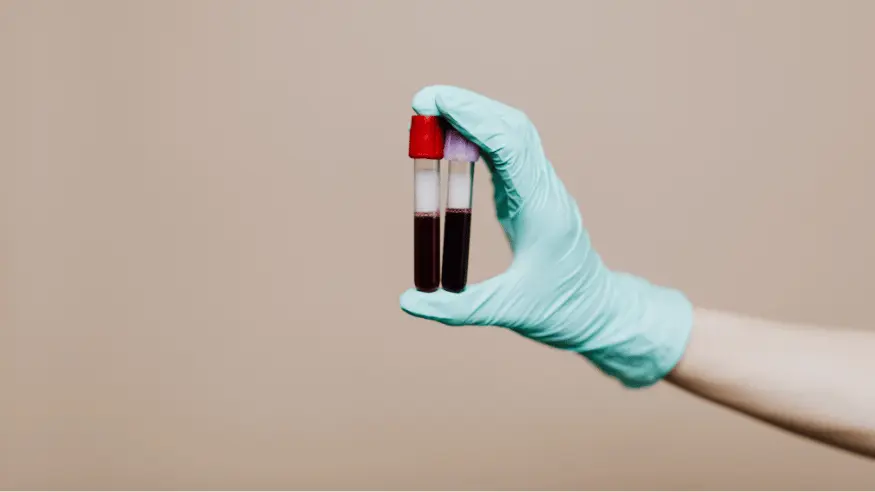
A Complete Guide to Blood Collection Tubes: Colors, Additives, and Uses
This blood collection tubes guide is a practical reference for phlebotomy technicians, nurses, and laboratory staff. Tube color indicates the additive (or lack of one), which determines whether a specimen will yield plasma, serum, or whole blood and which tests are appropriate. Understanding tube additives, common uses, and proper handling helps ensure accurate results and patient safety. Build these essential skills through the NAPTP Phlebotomy Technician Course.
General principles
- Order of draw: Follow the recommended sequence to avoid cross-contamination of additives (sterile/blood culture tubes first, then citrate, serum tubes, heparin, EDTA, glycolytic inhibitors). For the official guidance, consult CLSI recommendations on order of draw: CLSI.
- Fill volume: Some tubes require an exact blood-to-additive ratio (notably light blue citrate tubes, typically 9:1 blood to anticoagulant). Underfilling or overfilling can alter test results.
- Mixing: Gently invert tubes after collection according to the manufacturer’s directions to mix blood with additives; vigorous shaking can hemolyze samples.
Blood collection tubes: colors, additives, and typical tests
| Color | Additive | Specimen type | Common use |
|---|---|---|---|
| Light blue | Sodium citrate | Citrated plasma | Coagulation studies, including PT/INR, PTT, fibrinogen, and D-dimer; correct fill volume is essential. |
| Red | None or clot activator (varies by tube) | Serum | Selected chemistry, serology, and therapeutic monitoring tests when serum without gel is required. |
| Gold or tiger top (SST) | Clot activator and gel separator | Serum | Routine chemistry, immunology, and serology testing. |
| Green | Heparin (lithium, sodium, or ammonium) | Plasma | STAT chemistry, selected electrolyte panels, and tests that accept heparinized plasma. |
| Purple or lavender | EDTA | Whole blood | CBC, platelet counts, other hematology tests, and selected molecular assays. |
| Gray | Sodium fluoride and potassium oxalate | Plasma | Glucose, lactate, and ethanol testing, as directed by the laboratory. |
| Yellow | SPS or ACD (varies by collection system) | System-dependent | Blood-culture collection with SPS systems, or selected HLA and genetic testing with ACD systems; follow the facility’s blood-culture procedure and manufacturer instructions. |
Special considerations
- Blood cultures: Use sterile yellow-top blood culture bottles/tubes and collect before antibiotics when possible. Microbiology requires careful technique to minimize contamination. Refer to microbiology best practices from the CDC and clinical labs for specifics.
- Tube selection for STAT testing: Green (heparin) or plasma-based tubes may be chosen for speed, but lab policies determine acceptable tubes for analytes.
- Interfering substances: Additives can interfere with certain assays (e.g., EDTA chelates ions, fluoride affects some enzymatic tests). When in doubt, consult the laboratory’s test menu or manufacturer instructions.
- Labeling and handling: Accurate patient identification, timely transport, and correct temperature control are critical. Some assays require ice or rapid processing (e.g., ammonia); follow lab protocols closely.
Best practices for phlebotomists
- Know the lab’s preferred tubes for frequently ordered tests and follow the standardized order of draw to reduce preanalytical errors (CLSI guidance is a reliable resource).
- Understand the difference between serum and plasma and when each is required.
- Follow institutional policies and ethical obligations, including those outlined in the NAPTP Code of Ethics and Scope of Practice.
- Maintain competence through training and certification — resources such as the NAPTP Phlebotomy Technician Course and the NAPTP Phlebotomy Instructor Certification help reinforce best practices.
Frequently Asked Questions
Why do blood collection tubes have different colors?
Tube color identifies the additive, or the absence of an additive. The additive affects the specimen type and helps determine which tests the tube is appropriate for.
Why is the order of draw important?
Following the recommended order of draw helps reduce the risk of additive cross-contamination between tubes. Use the sequence required by your facility and its laboratory procedures.
Why is fill volume important for light blue tubes?
Light blue citrate tubes require a specific blood-to-additive ratio. An incorrect fill volume can affect coagulation test results, so follow the laboratory and manufacturer instructions.
Should tubes be shaken after collection?
No. Tubes should be gently inverted according to the manufacturer’s directions. Vigorous shaking can damage the sample.


