
Categories
Uncategorized

Is a Phlebotomy Career Right for You? Everything You Need to Know

Choosing a medical career is a big decision, so it’s natural to wonder if phlebotomy is the right path for you. With NAPTP’s Phlebotomy Technician Course, starting a rewarding healthcare career has never been easier thanks to 100% online, self-paced training. If you enjoy hands-on patient care, want a clear training pathway, and are looking to enter the healthcare field quickly, phlebotomy could be the perfect fit.

This guide explores the qualities of successful phlebotomists, what a typical day looks like, the benefits and challenges of the role, and how to become a phlebotomist—helping you decide whether it’s the right career for you.

Who Thrives as a Phlebotomist?

Successful phlebotomists combine technical skill with strong interpersonal abilities. Common traits include:

  • Calm under pressure: drawing blood from nervous or medically complex patients requires steady hands and composure.
  • Good manual dexterity: precise needle placement and safe handling of specimens are central to the job.
  • Customer-service mindset: the role is patient-facing—kindness, clear communication, and empathy matter.
  • Attention to detail: labeling, handling, and tracking specimens accurately prevents diagnostic errors.
  • Physical stamina: many shifts require standing for long periods and moving patients or equipment.

If you enjoy routine clinical procedures, prefer varied interactions over isolated desk work, and take satisfaction from contributing directly to patient care, phlebotomy could be a good match.

What a Typical Day Looks Like
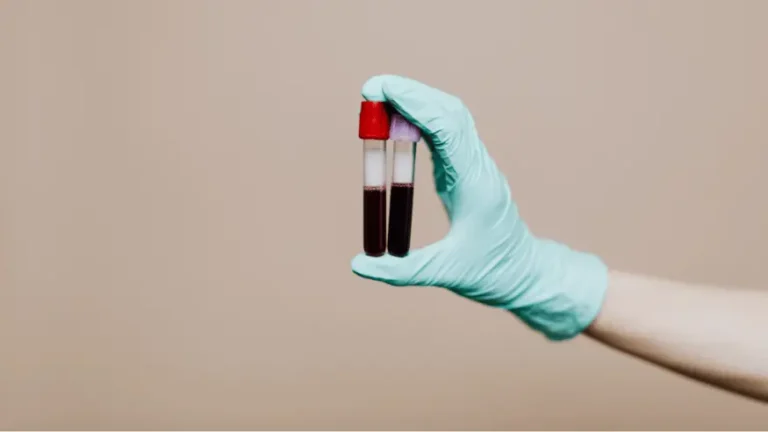
Hand holding two blood sample tubes
While settings vary (hospitals, outpatient clinics, mobile draw sites, laboratories), a typical phlebotomist’s day often includes:
  • Reviewing requisitions and preparing supplies for scheduled panels.
  • Greeting patients, verifying identity, and explaining procedures.
  • Collecting blood by venipuncture or skin puncture, then labeling and processing samples according to lab protocols.
  • Maintaining infection control and safety measures (PPE, sharps disposal).
  • Documenting draws, resolving specimen issues, and communicating with clinicians or lab staff as needed.
Scan be early mornings, evenings, or rotated weekends depending on the employer. Flexibility with hours is useful, and many phlebotomists split time between inpatient and outpatient duties.

Pros and Cons of a Phlebotomy Career

Below are practical considerations to weigh when deciding whether to pursue this path.

Pros:

  • Fast entry into healthcare: training programs are shorter than many allied health professions.
  • High demand: laboratories, hospitals, and clinics consistently need skilled phlebotomists.
  • Clear career ladder: with experience and certification you can advance to lead tech, lab assistant roles, or become an instructor.
  • Rewarding patient contact: immediate, tangible impact on diagnostic care.

Cons:

  • Physical strain: standing, repetitive movements, and heavy caseloads can be taxing.
  • Emotional demands: working with anxious, ill, or pediatric patients may be stressful.
  • Exposure risk: although mitigated by protocols, handling blood carries occupational hazards—strict safety practices are essential.

For information on safety standards and bloodborne pathogen guidance, reputable resources include the Centers for Disease Control and Prevention (CDC) and the Occupational Safety and Health Administration (OSHA).

How to Become a Phlebotomist

Medical student selfie in scrubs

Becoming a phlebotomist follows a straightforward path: complete a recognized training program, gain hands-on experience, and earn your certification. NAPTP’s Phlebotomy Technician Course combines flexible online learning with clinical components to prepare students for real-world practice. Once you’ve completed your training, you can take the NAPTP Certification Exam to demonstrate your knowledge and skills.

If you’re ready to take the next step in your career, NAPTP also offers Phlebotomy Instructor Certification. Designed for experienced phlebotomists, this program helps you develop the teaching, leadership, and curriculum skills needed to train the next generation of professionals.

Throughout your career, it’s also important to understand the professional standards that guide safe, ethical patient care. NAPTP’s Code of Ethics and Scope of Practice outline the responsibilities, expectations, and clinical boundaries of a phlebotomist, helping you provide confident, compliant, and compassionate care.

5 Tips for Making the Decision

  1. Shadow a PhlebotomistSpend time in a clinic, hospital, or laboratory to experience a phlebotomist’s daily responsibilities firsthand. Observing patient interactions and blood collection procedures can help you decide if the role is a good fit.
  2. Consider Your Comfort LevelThink about how comfortable you are working with blood, needles, and medical procedures. While confidence grows with training and experience, being open to these aspects of the job is important.
  3. Think About Your Long-Term Career GoalsConsider where you’d like your healthcare career to take you. Phlebotomy can be a rewarding long-term profession or a stepping stone to careers in nursing, laboratory science, or other allied health fields.
  4. Research Certification RequirementsMany employers prefer—or require—certified phlebotomists. Reviewing certification expectations and choosing a respected training provider like NAPTP can help prepare you for employment.
  5. Reflect on What Motivates YouIf you enjoy helping others, stay calm under pressure, pay close attention to detail, and want to make a meaningful impact on patient care, phlebotomy could be the right career path for you.

For broader career information, including typical job duties, work environments, salary expectations, and employment outlook, trusted resources include the Cleveland Clinic and the U.S. Bureau of Labor Statistics (BLS).

If you’re ready to build a rewarding career in healthcare, NAPTP’s training and certification pathways can help you get there. Explore the Phlebotomy Technician Course, learn more about NAPTP, and take the first step toward becoming a nationally certified phlebotomist.

Categories
Uncategorized

A Complete Guide to Blood Collection Tubes: Colors, Additives, and Uses

A Complete Guide to Blood Collection Tubes: Colors, Additives, and Uses

This blood collection tubes guide is a practical reference for phlebotomy technicians, nurses, and laboratory staff. Tube color indicates the additive (or lack of one), which determines whether a specimen will yield plasma, serum, or whole blood and which tests are appropriate. Understanding tube additives, common uses, and proper handling helps ensure accurate results and patient safety.

General principles

  • Order of draw: Follow the recommended sequence to avoid cross-contamination of additives (sterile/blood culture tubes first, then citrate, serum tubes, heparin, EDTA, glycolytic inhibitors). For the official guidance, consult CLSI recommendations on order of draw: CLSI.
  • Fill volume: Some tubes require an exact blood-to-additive ratio (notably light blue citrate tubes, typically 9:1 blood to anticoagulant). Underfilling or overfilling can alter test results.
  • Mixing: Gently invert tubes after collection according to the manufacturer’s directions to mix blood with additives; vigorous shaking can hemolyze samples.

Common tube colors, additives, and typical tests

  • Light Blue (sodium citrate) — Anticoagulant used for coagulation studies such as PT/INR, PTT, fibrinogen, and D-dimer. Correct fill proportion is essential; improperly filled tubes can lead to inaccurate clotting times.
  • Red (no additive or clot activator) — Glass red tubes contain no additives and yield serum after clotting; plastic red tubes often contain a clot activator. Used for many serology and chemistry tests when serum without gel is preferred, and for certain drug levels and therapeutic monitoring.
  • Gold or Tiger Top (SST — serum separator tube) — Contain clot activator and a gel separator to produce serum that is physically separated from cells after centrifugation. Widely used for routine chemistry panels, immunology, and serology.
  • Green (heparin: lithium, sodium, or ammonium) — Heparin prevents clotting and yields plasma. Common for STAT chemistry tests, some electrolyte panels, and tests requiring plasma. Note that heparin can interfere with certain assays, so consult laboratory instructions.
  • Purple/Lavender (EDTA) — Ethylenediaminetetraacetic acid chelates calcium and preserves cellular morphology. Lavender tops are the standard for complete blood counts (CBC), platelet counts, and many hematology tests. Also used for some molecular assays.
  • Gray (potassium oxalate/sodium fluoride) — Sodium fluoride inhibits glycolysis and preserves glucose and lactate, while potassium oxalate acts as an anticoagulant. Gray tubes are used for fasting glucose, oral glucose tolerance testing, and ethanol testing.
  • Yellow (sterile — SPS or ACD) — Two common yellow types: SPS (sodium polyanethol sulfonate) sterile tubes for blood culture collection used in microbiology; and ACD (acid citrate dextrose) tubes used for HLA testing, DNA/paternity testing, and some transfusion-related studies. Blood culture collection must follow strict sterile technique; see CDC guidance on specimen collection: CDC.

Special considerations

  • Blood cultures: Use sterile yellow-top blood culture bottles/tubes and collect before antibiotics when possible. Microbiology requires careful technique to minimize contamination. Refer to microbiology best practices from the CDC and clinical labs for specifics.
  • Tube selection for STAT testing: Green (heparin) or plasma-based tubes may be chosen for speed, but lab policies determine acceptable tubes for analytes.
  • Interfering substances: Additives can interfere with certain assays (e.g., EDTA chelates ions, fluoride affects some enzymatic tests). When in doubt, consult the laboratory’s test menu or manufacturer instructions.
  • Labeling and handling: Accurate patient identification, timely transport, and correct temperature control are critical. Some assays require ice or rapid processing (e.g., ammonia); follow lab protocols closely.

Best practices for phlebotomists

  • Know the lab’s preferred tubes for frequently ordered tests and follow the standardized order of draw to reduce preanalytical errors (CLSI guidance is a reliable resource).
  • Understand the difference between serum and plasma and when each is required.
  • Follow institutional policies and ethical obligations, including those outlined in the NAPTP Code of Ethics and Scope of Practice.
  • Maintain competence through training and certification — resources such as the NAPTP Phlebotomy Technician Course and the NAPTP Phlebotomy Instructor Certification help reinforce best practices.

Where to learn more

Authoritative resources for protocols and specimen handling include CLSI, CDC, and clinical laboratory references such as the Cleveland Clinic’s laboratory test guides: Cleveland Clinic Laboratory Medicine. For guidelines on bloodborne pathogen precautions and safe collection techniques, consult the CDC or institutional infection control policies.

This blood collection tubes guide provides a compact reference to common tubes, additives, and uses, but laboratory-specific policies and manufacturer instructions take precedence. For those preparing for certification or seeking formal recognition, NAPTP offers the NAPTP National Phlebotomy Certification Exam registration and details on the NAPTP Exam. Learn more about the association and its standards on the NAPTP About page.

Categories
Uncategorized

Building Patient Trust: Communication Skills Every Phlebotomist Must Master

Building Patient Trust: Communication Skills Every Phlebotomist Must Master

Technical competence is the ultimate foundation of quality venipuncture, but for many patients the memory of an encounter is shaped more by how they were spoken to and treated than by the needle itself. Strong phlebotomist communication skills patient trust the relationship between clinician and patient, reduce complaints, and open doors to leadership and teaching roles. This article focuses on practical interpersonal skills phlebotomists can adopt to improve patient experience and advance their careers.

Why communication matters in phlebotomy

Phlebotomists frequently work with anxious, vulnerable, or medically complex patients. Clear explanations, active listening, and respectful behavior ease patient fear, minimize movement during draws, and reduce the likelihood of complications or misunderstandings. Positive interactions also lower complaint rates and support smoother clinic workflows, benefiting both patients and employers. For standards on professionalism and conduct, review the NAPTP Code of Ethics and the NAPTP Scope of Practice, which emphasize patient-centered care and communication.

Core communication skills for every phlebotomist

  • Clear introductions: State your name, role, and the procedure in plain language. This simple step builds rapport and reduces patient anxiety.
  • Explanation of steps: Briefly describe what you will do and why—e.g., “I’ll feel for your vein, clean the area, and you’ll feel a quick stick.” Clarity reduces surprises and movement.
  • Active listening: Invite questions and allow patients to express concerns. Reflecting back (“You’re worried about bruising?”) validates feelings and improves cooperation.
  • Nonverbal communication: Maintain eye contact, use a calm tone, and ensure your body language is open. Nonverbal cues often speak louder than words.
  • Empathy and reassurance: Acknowledge discomfort and provide simple coping strategies, such as deep breathing or looking away.

Handling difficult situations

Not every draw is routine. Patients may be distressed, confused, or uncooperative. De-escalation relies on communication technique rather than force. Keep your voice steady, offer options (reschedule, bring a caregiver), and document concerns clearly. When a patient is non-English-speaking or has hearing loss, use interpreter services or written instructions—resources that align with institutional policies and federal guidance on effective communication in healthcare.

Reducing complaints through proactive communication

Many patient complaints stem from miscommunication rather than clinical error. Strategies to proactively reduce grievances include:

  • Confirming patient identity aloud and explaining the labeling and testing process to avoid confusion.
  • Setting realistic expectations about discomfort, bruising, and when results will be available.
  • Apologizing promptly and taking ownership if something goes wrong, then explaining next steps for resolution.

These actions not only improve satisfaction but also protect clinics from formal complaints and liability. For organizational safety practices related to bloodborne pathogens and workplace safety, consult OSHA guidance on bloodborne pathogens (OSHA – Bloodborne Pathogens).

Communication as a career accelerator

Excellent interpersonal skills are visible to supervisors and patients alike. Phlebotomists who consistently demonstrate empathy, teachable attitudes, and leadership in communication are prime candidates for promotions, supervisory roles, or instructor positions. NAPTP supports professional development through programs such as the Phlebotomy Instructor Certification and the Phlebotomy Technician Course, which integrate both clinical and communication best practices.

Practical tips for daily improvement

  • Practice concise patient scripts for common scenarios to ensure consistent messaging.
  • Use role-play with peers to rehearse handling upset or fearful patients.
  • Solicit feedback from patients and colleagues and incorporate it into routine practice.
  • Keep current on infection control and patient safety recommendations from reputable sources such as the CDC and clinical procedure standards from institutions like the Cleveland Clinic.

Documentation and professional boundaries

Good communication is not just verbal. Accurate documentation of conversations, refusals, and consent protects both patient and phlebotomist. Maintain professional boundaries while showing warmth—this balance is part of ethical practice outlined in NAPTP’s resources. For career milestones and certification details, visit the NAPTP Exam page and the NAPTP National Phlebotomy Certification Exam registration.

Communication transforms routine blood draws into positive patient experiences. Mastery of phlebotomist communication skills patient trust reduces complaints, improves cooperation, and positions practitioners for career growth. Phlebotomists who prioritize clear, compassionate communication become trusted members of the healthcare team and are better prepared for roles in education and leadership. To learn more about certification pathways that emphasize both technical and professional competencies, see NAPTP certification information.

Categories
Uncategorized

Central Line Safety: What Every Phlebotomist Needs to Know

Central Line Safety: What Every Phlebotomist Needs to Know

Central lines are invaluable for patient care but carry unique risks. For phlebotomists, understanding central line safety phlebotomy is essential to prevent central line-associated bloodstream infections (CLABSI) and to protect patients and staff. This article covers infection prevention, proper technique, common errors, and the professional responsibilities that reduce harm.

Why CLABSI prevention matters

CLABSIs increase morbidity, length of stay, and healthcare costs. Many CLABSIs are preventable when strict aseptic technique and evidence-based practices are followed. Phlebotomists are on the front lines: every central line access, sample draw, or manipulation of tubing is an opportunity to protect the patient—or to introduce risk.

Follow national guidance such as the CDC’s recommendations for preventing intravascular catheter-related infections to align your practice with proven standards (CDC: Bloodstream Infection Guidelines).

Core infection-prevention practices

  • Hand hygiene: Perform hand antisepsis before and after any contact with the line or the patient. If hands are visibly soiled, wash with soap and water; otherwise use an alcohol-based hand rub.
  • Maximal barrier precautions: When accessing or dressing a central line, the use of sterile gloves, mask, cap, and a full sterile drape reduces contamination risk.
  • Skin antisepsis: Use chlorhexidine-based solutions for site prep unless contraindicated. Allow the antiseptic to dry fully before access.
  • Hub and port disinfection: Scrub the hub or injection port with an appropriate antiseptic (e.g., alcohol or chlorhexidine-alcohol) each time before access for the recommended time.
  • Closed system and proper flushing: Maintain a closed system when feasible and follow facility protocol for flush volumes and locking solutions to prevent clotting and contamination.
  • Proper dressing and securement: Keep insertion sites covered with a sterile transparent dressing and replace dressings according to policy or if soiled or loose.

Proper technique for central line blood draws

Adhere strictly to your facility’s protocol and your professional scope of practice. Key steps include:

  • Confirm patient identity and verify the purpose of the draw.
  • Assess the line: confirm patency, presence of infection signs, and date of last dressing change.
  • Use aseptic non-touch technique when handling connectors and syringes.
  • Disinfect the hub for the recommended duration and allow it to dry.
  • Use appropriate discard volumes if required, and collect samples in the correct order and containers.
  • Label specimens immediately at the bedside and document the draw, including site, line type, and any difficulties.

For procedural details and standardized training, refer to resources such as the Clinical and Laboratory Standards Institute (CLSI), which outlines best practices for blood specimen collection (CLSI).

What can go wrong — and how to prevent it

Errors and lapses in technique can lead to several complications:

  • Infection (CLABSI): The most serious risk. Often linked to poor hand hygiene, inadequate hub disinfection, or contaminated supplies.
  • Contamination of specimens: False-positive cultures from skin organisms lead to unnecessary antibiotics and interventions.
  • Line occlusion or thrombosis: Inadequate flushing or improper handling can cause clotting and loss of access.
  • Air embolism or catheter damage: Rare but preventable with correct technique and attention to closed systems.

Prevention is primarily behavioral: meticulous preparation, consistent adherence to protocols, and immediate correction of breakages in technique.

The phlebotomist’s role and professional responsibilities

Phlebotomists are accountable for safe practice through both technical skill and professional judgment. Important aspects include:

  • Know your limits: Understand the NAPTP Scope of Practice for procedures you are authorized to perform and escalate to nursing or supervising clinicians when necessary.
  • Ethical responsibility: Follow the NAPTP Code of Ethics — prioritize patient safety, maintain competence, and report unsafe conditions.
  • Documentation and communication: Accurately record line access, abnormal findings, or difficulties and communicate concerns immediately to the care team.
  • Continuous learning: Pursue advanced training in central line techniques and infection control. Instructor-level credentialing can prepare you to teach peers (NAPTP Phlebotomy Instructor Certification).

Training, certification, and staying current

Proper training reduces CLABSI risk. Enroll in comprehensive courses such as the NAPTP Phlebotomy Technician Course and prepare for professional assessment via the NAPTP Exam or register for national certification (NAPTP National Phlebotomy Certification Exam registration). Continuing education ensures you remain current with guidelines from institutions like the Cleveland Clinic on central line care (Cleveland Clinic: Central Line Care).

Central line safety phlebotomy is a combination of sound technique, vigilant infection prevention, and professional responsibility. By following evidence-based practices, maintaining clear communication, and pursuing ongoing education, phlebotomists play a vital role in preventing CLABSI and safeguarding patient outcomes. For those seeking formal recognition of their skills, NAPTP certification provides validation of competency and commitment to safe practice (learn about NAPTP).

Categories
Uncategorized

Phlebotomy Best Practices for Geriatric Patients

Phlebotomy Best Practices for Geriatric Patients

Drawing blood from older adults requires more than technical skill — it demands an appreciation of physiologic changes, careful medication review, sensitive communication, and a commitment to preserving dignity. This article outlines practical, patient-centered approaches to ensure safe, accurate specimen collection and a respectful experience for geriatric patients.

Understand the aging vascular and skin landscape

Age-related changes make venipuncture more challenging. Veins may be thin, sclerosed, tortuous, or easily collapsible; skin is often fragile and prone to tearing; and subcutaneous tissue thins, reducing cushioning. Temperature and hydration status also influence vein prominence.

  • Inspect before you touch: assess both arms for usable veins, skin integrity, edema, hematomas, or surgical scarring.
  • Use vein-enhancing techniques: gentle warming, gravity (lowering the arm), or light tapping can help; avoid prolonged or aggressive tourniquet application that can collapse fragile veins.
  • Choose the right supplies: smaller gauge needles (e.g., 23–25G butterfly) and pediatric-sized tubes often reduce trauma and hemolysis.

Account for medications and coagulation risk

Polypharmacy is common in geriatric patients. Anticoagulants, antiplatelet agents, corticosteroids, and certain herbal supplements increase bleeding or bruising risk. Conversely, diabetes medications and vasoconstrictors may affect blood sugar or perfusion.

  • Always review the medication list and consult the care team if an anticoagulant or a high bleeding risk is identified.
  • Plan for longer post-draw pressure and monitoring for patients on blood thinners.
  • Coordinate timing of draws with medication schedules (e.g., trough/peak levels) and insulin dosing to avoid hypoglycemia.

When in doubt, reference institutional protocols and recognized standards such as those from the CDC and OSHA for infection control and bloodborne pathogen safety (see CDC and OSHA guidance).

Communication strategies that build trust and clarity

Effective communication with older adults — and with their caregivers when appropriate — reduces anxiety and improves cooperation. Hearing loss, visual impairment, cognitive changes, and cultural expectations all shape how you should speak and interact.

  • Introduce yourself and explain the procedure: use clear, simple language and allow time for questions.
  • Check for sensory needs: face the patient, speak slowly, and use written or visual cues if hearing impairment is present.
  • Engage caregivers appropriately: involve family or nursing staff for comfort and history, but always confirm the patient’s preferences and consent capacity first.
  • Manage cognitive impairment: for patients with dementia, use calming techniques, familiar caregivers, and distraction; avoid force or surprise movements.

For practical tips on communicating with older adults and those with dementia, resources such as the Cleveland Clinic offer helpful strategies.

Technique and specimen quality — gentle, precise, and efficient

Protect both the patient and specimen integrity by adapting technique to the geriatric context:

  • Minimize attempts: plan the venipuncture site and approach to limit multiple sticks; when needed, ask for assistance or consider alternative sample methods (capillary collection, arterial nurses, or PICC lines when appropriate).
  • Avoid excessive suction and prolonged tourniquet use: these can collapse fragile veins and cause hemolysis.
  • Handle tubes correctly: follow order of draw and gentle mixing to preserve specimen quality, per laboratory standards.

Reference established collection standards to reduce pre-analytical error — organizations such as CLSI provide procedural guidance that can be adapted to geriatric considerations.

Maintain dignity and comfort throughout the encounter

Small actions preserve patient dignity and can improve cooperation and outcomes.

  • Maintain privacy and modesty — limit exposure and cover non-drawn areas.
  • Offer warmth; cold extremities reduce vein visibility and increase discomfort.
  • Explain each step and gain consent, giving the patient time to decline or ask questions.
  • Apply pressure after the draw longer than usual if needed, and document any bleeding events or bruising.

Documentation, follow-up, and professional responsibility

Record the site, technique, any complications, and changes to standard procedure. Communicate abnormal test collection concerns to the lab and the care team. Upholding ethical standards — including respect, beneficence, and confidentiality — is central to geriatric care; the NAPTP Code of Ethics and Scope of Practice help define those professional obligations.

Training and continuing education improve outcomes when caring for older adults. The NAPTP Phlebotomy Technician Course and NAPTP Phlebotomy Instructor Certification offer targeted content to refine skills and teaching strategies for special populations. For those preparing to validate their expertise, see the NAPTP National Phlebotomy Certification Exam registration and related exam information.

Delivering high-quality phlebotomy to geriatric patients means combining technical adjustments with medication awareness, communication tailored to sensory and cognitive needs, and unwavering respect for dignity. For more about NAPTP programs and professional standards, visit the NAPTP About page and review the NAPTP Scope of Practice. If you plan to pursue certification, the NAPTP certification process is outlined on the NAPTP National Phlebotomy Certification Exam registration page.

External resources: CDC Standard Precautions and infection control guidance, NIH/NIA information on aging and health, and practical communication strategies from the Cleveland Clinic provide useful, authoritative context for caring for older adults.

Categories
Uncategorized

Top Study Strategies to Pass the National Phlebotomy Certification Exam on Your First Try

Top Study Strategies to Pass Phlebotomy Certification Exam on Your First Try

Preparing to pass phlebotomy certification exam first try takes focused planning, targeted content review, and practice that mirrors the real testing environment. Below are actionable study strategies—how to structure review sessions, which topics to prioritize, the smartest way to use practice tests, and practical steps to manage exam-day anxiety.

1. Build a study plan centered on spaced repetition

Spaced repetition is one of the most efficient ways to move facts from short-term to long-term memory. Break your study into short, frequent sessions (25–50 minutes) with 5–10 minute breaks. Use flashcards or apps like Anki to schedule reviews: new cards daily, then reviews after 1 day, 3 days, 7 days, and so on. That pattern helps retain key phlebotomy facts—order of draw, anticoagulant types, common test volumes—so you’re not trying to cram everything the night before.

  • Weekly cadence: 4–6 short sessions, with at least one longer practice test session.
  • Active recall: Test yourself from memory, then check answers. Passive rereading is far less effective.
  • Interleaving: Mix related topics—e.g., safety protocols with specimen handling—rather than studying one topic for hours straight.

2. Use practice tests strategically

Practice exams are not just assessment tools; they are study tools. Take timed practice exams to build pacing and reduce surprises on test day. After each practice test, spend twice as much time reviewing every missed question: why the correct answer is correct, and why you chose differently.

  • Simulate test conditions: quiet room, timed sections, no notes. This builds endurance and reduces exam-day uncertainty.
  • Rotate between full-length tests and shorter topic-focused quizzes (e.g., anatomy & physiology, specimen integrity).
  • Keep an error log. Track recurring mistakes—terminology confusion, misreading questions, or gaps in safety protocols—and target those during spaced repetition sessions.

3. Prioritize high-yield topics

Not all phlebotomy topics carry equal weight on the exam. Prioritize content that commonly appears and that’s essential to safe practice:

  • Patient identification and communication: Two-step ID verification and dealing with difficult or anxious patients.
  • Infection control and bloodborne pathogen precautions: Standard precautions, proper glove use, and sharps safety (review CDC and OSHA guidance for specifics: CDC bloodborne pathogen basics, OSHA Bloodborne Pathogens Standard).
  • Order of draw and tube additives: Why the order matters and how additives affect test results.
  • Specimen handling and transport: Labeling, hemolysis prevention, and temperature control (compare your practices to CLSI recommendations: CLSI standards).
  • Anatomy and venipuncture technique: Vein selection, tourniquet use, and complications like hematoma or syncope.
  • Legal and ethical principles: Consent, confidentiality, and professionalism—see the NAPTP Code of Ethics and Scope of Practice for what you’re expected to know.

4. Practical study tools and resources

Combine text-based study with hands-on practice whenever possible. If you’re in a training program, supplement coursework with focused review materials and practice question banks. The NAPTP Phlebotomy Technician Course and the official NAPTP Exam page outline the competencies you should master.

  • Create laminated pocket cards for the order of draw and common test requirements.
  • Practice venipuncture technique on models or under supervision to solidify motor skills and confidence.
  • Seek mentorship from an instructor; consider the NAPTP Phlebotomy Instructor Certification page if you plan to teach in the future.

5. Manage exam-day anxiety and performance

Test anxiety is common but manageable. Use behavioral strategies to keep nerves from undermining your performance:

  • Sleep and nutrition: Prioritize 7–9 hours of sleep the night before and eat a balanced meal 1–2 hours before the exam.
  • Arrival plan: Confirm details via the NAPTP National Phlebotomy Certification Exam registration page, bring required ID, and arrive 30–45 minutes early to avoid rushing.
  • Breathing and grounding: Use slow diaphragmatic breathing or a 4-4-8 pattern to reduce heart rate. Brief grounding exercises (feel your feet, notice breath) help refocus between questions; see tips on anxiety management from Harvard Health.
  • Mindset: If you encounter a difficult question, mark it, move on, and return later. This prevents one item from derailing your time management.

Final tips

Consistency beats last-minute intensity. Use spaced repetition and realistic practice tests to build knowledge and pacing. Prioritize high-yield clinical and safety topics, keep an error log, and rehearse exam-day logistics so nothing catches you off guard. If you’re seeking structured training or want to confirm exam requirements, review the NAPTP resources, including registration details on the NAPTP National Phlebotomy Certification Exam registration page and the organization’s mission on the NAPTP About page.

Passing the phlebotomy certification exam on your first try is achievable with deliberate practice, targeted review, and practical anxiety-management techniques. For certification details, exam competencies, and recommended preparation resources, see the NAPTP certification information at NAPTP Exam.

Categories
Uncategorized

Reducing Fear and Pain During Pediatric Blood Draws

Reducing Fear and Pain During Pediatric Blood Draws

Blood draws are routine but can be a highly stressful experience for children and their families. When fear and anxiety go unchecked, the result can be increased pain, needle phobia, delayed care, and difficult encounters for clinicians. Focusing on the emotional and psychological aspects of pediatric venipuncture — alongside proven medical techniques — makes the experience safer, faster, and less traumatic for young patients.

Why addressing fear matters

Children who are frightened tend to tense their muscles, cry, and resist, which can make venipuncture more painful and prolong the procedure. Reducing anxiety not only improves the child’s immediate comfort but also lowers the risk of long-term needle avoidance behaviors. For healthcare teams, calmer patients mean more efficient draws and better sample quality. Evidence-based strategies combine communication, distraction, environmental adjustments, and topical pain control.

Clear, age-appropriate communication

How staff and parents speak with a child shapes the entire encounter. Use simple, honest language and avoid euphemisms that can create confusion (for example, say “a quick poke” rather than “a little stick” if that resonates better with the child’s understanding). Offer two choices to give the child a sense of control — for instance, “Do you want to sit on the bed or on your caregiver’s lap?” — rather than open-ended questions that may increase anxiety.

Training in pediatric communication is a key competency for phlebotomists and clinical staff. Programs such as the NAPTP Phlebotomy Instructor Certification and the NAPTP Phlebotomy Technician Course cover best practices for interacting with children and caregivers and help standardize calming techniques across clinical teams.

Distraction and comfort measures that work

Distraction is one of the most effective nonpharmacologic tools to reduce both perceived pain and distress in children. Options should be tailored by age:

  • Infants: Sweet-tasting solutions (sucrose) and breastfeeding during the procedure can reduce pain responses.
  • Toddlers and preschoolers: Bubbles, blowing games, or storytelling can shift attention away from the needle.
  • School-age children: Video games, tablet videos, counting games, or guided breathing exercises engage cognition and reduce fear.
  • Adolescents: Offering privacy, explaining the purpose of the test, and allowing headphones or choice of music helps maintain dignity and control.

Simple, calibrated distraction tools — like bubble machines, tablet stations, and breathing cards — are low-cost interventions with measurable benefits. Virtual reality is emerging as another effective distraction method in older children.

Topical anesthetics and procedural techniques

Topical anesthetics (e.g., lidocaine-prilocaine creams) significantly reduce skin pain when applied properly ahead of venipuncture. Vapocoolant sprays and cold packs can be useful for quick procedures. For infants, the use of oral sucrose and skin-to-skin contact have evidence for reducing pain during brief procedures.

Clinicians should follow manufacturer instructions and allow appropriate onset time for topical agents. For clinical guidance on pain control options and best practices, authoritative health resources such as the Cleveland Clinic and Harvard Health provide reliable, patient-friendly information.

Creating a calm environment and efficient technique

Physical environment matters: soft lighting, a welcoming pediatric room, and visible distraction tools help signal that the clinic is child-friendly. Equally important is clinician skill. Well-trained phlebotomists perform quick, confident draws that minimize repeated attempts — a major contributor to pain and trauma.

NAPTP’s Code of Ethics and Scope of Practice emphasize professional behavior and patient-centered care that are essential for pediatric phlebotomy. Ongoing education, such as preparing for the NAPTP National Phlebotomy Certification Exam, reinforces technical competence and compassionate practice.

The role of parents and caregivers

Parents influence how a child responds. Calm, reassuring behavior from caregivers lowers child distress; conversely, anxious or apologetic adults can increase a child’s fear. Encourage parents to:

  • Stay close and offer comfort (holding, lap-sitting) if the child wants.
  • Use brief, positive statements (e.g., “You’re doing great” rather than “Don’t cry”).
  • Avoid offering excessive rewards or threats that can unintentionally raise anxiety.
  • Prepare the child beforehand with honest, age-appropriate explanations and practice coping strategies like deep breathing or counting.

Summary

Reducing fear and pain in pediatric blood draws requires attention to emotion as much as to technique. Combining clear communication, thoughtful parental involvement, targeted distraction, appropriate topical anesthetics, and staff training produces kinder, safer experiences for children. Clinics that adopt these practices see fewer procedure failures, less distress, and better long-term outcomes for young patients and families.

Phlebotomists seeking to expand their pediatric-specific skills and professional credentials can explore NAPTP training and certification opportunities, including the NAPTP National Phlebotomy Certification Exam registration and professional development through instructor and technician courses to help ensure compassionate, competent care.

Categories
Uncategorized

How Adult Learning Theory Transforms Phlebotomy Education

How Adult Learning Theory Transforms Phlebotomy Education

Phlebotomy instructors who understand adult learning theory phlebotomy can dramatically improve training outcomes. Adult learners bring experience, responsibilities, and different motivations than children; applying andragogical principles and insights from Erikson’s stages of psychosocial development helps instructors design practice-focused, respectful, and competency-driven programs that produce safer, more confident phlebotomy technicians.

What is adult learning theory (andragogy) and why it matters

Andragogy—popularized by Malcolm Knowles—describes how adults learn: they want relevance, practical application, autonomy, and recognition of prior experience. In phlebotomy training these principles translate to shorter, goal-oriented modules, hands-on practice, and opportunities for learners to connect new skills to existing clinical roles. That approach reduces rote memorization and fosters long-term competence in venipuncture technique, specimen handling, and patient communication.

Erikson’s stages: tailoring instruction to adult development

Erikson’s model of psychosocial development provides a useful lens for understanding the varied needs of adult learners in the classroom and clinical lab. Young adults (intimacy vs. isolation) often seek peer collaboration and skill mastery to build careers. Midlife learners (generativity vs. stagnation) value training that enables mentoring others and improving patient care systems. Older adults (ego integrity vs. despair) may prioritize meaningful contribution and consolidation of expertise. Recognizing these stages helps instructors offer relevant challenges, leadership opportunities, and reflective activities that match learners’ developmental drives.

Practical strategies for phlebotomy instructors

Below are instructional techniques grounded in adult learning theory and Erikson’s framework that improve retention and performance in phlebotomy education:

  • Front-load relevance: Begin with clinical scenarios that demonstrate why a skill matters—e.g., reducing hemolysis rates or preventing specimen mislabeling—so adults see immediate value.
  • Leverage prior experience: Invite learners to share clinical anecdotes or past practices, then compare them to evidence-based methods outlined in the program’s standards. This honors adult expertise and corrects unsafe habits constructively.
  • Problem-centered learning: Use case studies and simulation to teach troubleshooting (difficult draws, patient anxiety, pediatric vs. geriatric adjustments). Simulation-based practice improves psychomotor skills and decision-making in controlled settings (see Cleveland Clinic research on simulation benefits).
  • Flexible, competency-based pacing: Adults balance work and life; competency-based modules allow motivated learners to progress faster while others spend more time on skills that need reinforcement.
  • Respect and autonomy: Create learning contracts and self-assessment tools so learners set goals, monitor progress, and take ownership—key components of andragogical design.
  • Formative feedback and reflective practice: Timely, specific feedback and structured reflection help adult learners integrate technical skills with professional behavior, aligning with ethical expectations such as those in the NAPTP Code of Ethics.

Connecting theory to clinical standards and safety

Adult learning strategies must be anchored to clinical standards. Instructors should model and teach infection control, specimen handling, and bloodborne pathogen precautions consistent with public health guidance (see the CDC) and workplace regulations (for example, OSHA). Aligning curricula with the NAPTP Scope of Practice ensures technicians understand their role limits and responsibilities while preparing for certification.

Assessment and certification: aligning outcomes with motivation

Assessment for adult learners should be transparent, practical, and tied to career goals. Competency checklists, observed structured clinical examinations, and targeted remediation help learners build mastery. Making the path to certification clear—including preparation for the national exam—supports adult motivation to achieve professional recognition. Instructors can integrate exam-style practice and formative assessments linked to the NAPTP exam and connect curriculum to the accredited Phlebotomy Technician Course.

Building instructors who teach adults effectively

Teaching adults requires more than clinical expertise—it requires pedagogical skill. Programs such as the NAPTP Phlebotomy Instructor Certification train educators to apply andragogical methods, design learner-centered curricula, and use valid assessment tools. Instructor preparation should include how to foster psychological safety, give constructive feedback, and adapt instruction to learners at different life stages.

Effective phlebotomy education that embraces adult learning theory phlebotomy produces technicians who are not only mechanically proficient but also professionally responsible and adaptable. Embedding theory into practice—through scenario-based learning, respect for prior experience, and alignment with standards—improves patient safety and career outcomes.

For those preparing learners for national credentialing and professional practice, NAPTP provides resources and pathways to certification; learn more about the national certification and registration process on the NAPTP National Phlebotomy Certification Exam registration page.

Categories
Uncategorized

How to Advance Your Phlebotomy Career by Becoming a Certified Instructor

How to Advance Your Phlebotomy Career by Becoming a Certified Instructor

Moving from a skilled phlebotomist to a certified instructor is one of the most effective ways to accelerate your professional trajectory. An instructor credential does more than validate experience — it opens doors to higher salary bands, leadership roles, and broader career options across education, clinical training, and management. If you’re focused on phlebotomy career advancement instructor pathways, understanding the tangible benefits and steps to certification will help you make a strategic move that pays off professionally and financially.

Why instructor certification changes your career trajectory

Becoming a certified instructor distinguishes you from peers in three critical ways. First, it signals mastery of clinical skills and adult teaching principles. Second, it increases marketability, enabling you to command higher pay or qualify for supervisory positions. Third, it provides professional prestige — institutions value credentialed educators who can reliably teach and maintain standards of practice.

Salary increases: Employers commonly assign higher pay scales or add stipends for staff who train others, lead competency programs, or represent the department in regulatory audits. In many healthcare settings, instructors also have access to continuing education budgets and leadership development opportunities that lead to further raises and promotions.

Expanded job opportunities

  • Clinical educator or lead phlebotomist positions in hospitals and large laboratories.
  • Instructor roles in community colleges, vocational schools, or private training programs.
  • Consultancy work and contract training for healthcare systems, insurance providers, and occupational health vendors.
  • Curriculum development and assessment roles within academic or corporate training departments.

These roles often carry higher responsibility and compensation than entry-level phlebotomy work. They also increase visibility for long-term advancement into allied health leadership.

Professional prestige and credibility

Certified instructors are recognized as subject-matter experts. That credibility helps when advocating for program resources, influencing policy, or establishing a new training program. Holding a formal instructor certification communicates that you adhere to recognized standards and ethical principles — important for employers and prospective students alike.

NAPTP supports that professional standard with resources like the NAPTP Code of Ethics and the NAPTP Scope of Practice, which help instructors model best practices and maintain public trust.

How to pursue instructor certification with NAPTP

Advancing to an instructor role typically starts with formalizing your existing skills. Complete or review the foundational training — for example, the NAPTP Phlebotomy Technician Course — then move toward an instructor-specific credential. NAPTP’s NAPTP Phlebotomy Instructor Certification outlines eligibility, exam requirements, and the competencies you’ll need to demonstrate.

When you’re ready to take the next step, review the exam details and registration information at NAPTP’s National Phlebotomy Certification Exam registration page and the broader NAPTP Exam resources. These pages describe testing logistics, content areas, and preparation recommendations so you can plan effectively.

Skills and knowledge that boost earning potential

  • Teaching and assessment techniques: learning how to structure lessons, evaluate competency, and provide constructive feedback.
  • Regulatory compliance and safety: understanding infection control, specimen handling, and documentation standards.
  • Program administration: scheduling, curriculum mapping, and quality assurance.
  • Professional ethics and communication: modeling the behavior expected of learners and colleagues.

Documentation and laboratory safety are especially important. Familiarize yourself with evidence-based guidelines from authorities such as the CDC Infection Control resources and procedural standards from organizations like CLSI. These sources strengthen your teaching content and reinforce institutional confidence in your instruction.

Practical tips to make the transition

  • Network with current instructors and program directors to identify openings and mentorship opportunities.
  • Collect documentation of your clinical hours, teaching experiences, and professional development to satisfy certification prerequisites.
  • Gain familiarity with adult learning theory and classroom management; many employers value instructors who can blend practical skills with effective pedagogy.
  • Stay current on clinical best practices by consulting reputable clinical resources such as the Cleveland Clinic’s overview of phlebotomy procedures.

Moving into an instructor role is both a professional and personal commitment. The payoff is substantial: better compensation, increased job stability, and recognition as a leader in the phlebotomy field.

For phlebotomists seeking structured advancement, pursuing the NAPTP Phlebotomy Instructor Certification is a strategic step that elevates your resume, broadens your career options, and enhances your professional standing.

Categories
Uncategorized

Why the Order of Draw Is the Most Critical Skill in Phlebotomy

Why the Order of Draw Is the Most Critical Skill in Phlebotomy

For phlebotomists, mastering routine tasks is essential. Among those, few skills are as clinically consequential as the order of draw. The phrase order of draw phlebotomy importance may sound procedural, but its impact reaches directly into patient safety, diagnostic accuracy, and downstream clinical decisions. When the order is done incorrectly, the consequences are not abstract lab errors — they can change diagnoses, prompt unnecessary treatment, delay surgeries, or even harm patients.

How additive carryover alters test results

Tubes used in blood collection contain additives designed for specific tests: anticoagulants like EDTA (lavender) and heparin (green), clot activators for serum (red or gold), and anticoagulant-preservative combinations for glucose or coagulation testing (gray, light blue). When blood from one tube contaminates the next, those additives can contaminate the specimen and interfere chemically or biologically with assays.

  • EDTA contamination: EDTA chelates calcium and can falsely lower calcium and magnesium measurements. EDTA tubes often contain potassium salts that can cause spuriously high potassium (pseudohyperkalemia), which may trigger unnecessary emergency interventions.
  • Citrate contamination: Light-blue-top tubes contain sodium citrate for coagulation testing. If citrate contaminates serum or plasma tubes, clotting tests can be artificially prolonged or shortened, leading to inappropriate changes in anticoagulation therapy or cancelled procedures.
  • Heparin and other anticoagulants: Carryover can alter potassium measurements and affect some enzyme assays or therapeutic drug monitoring results, causing incorrect dosing decisions.
  • Microbiology consequences: Incorrect order can change contamination risk for blood cultures — false positives can lead to unneeded antibiotic exposure, extended hospital stays, and additional diagnostic workups.

Real-world clinical consequences

The preanalytical phase — which includes collection and order of draw — is the largest source of laboratory error. That’s not just a laboratory statistic; it affects patients directly. Consider a few typical scenarios:

  • A patient’s potassium appears critically high because EDTA contaminated the sample. Clinicians may treat with insulin and dextrose or give potassium-binding agents, exposing the patient to hypoglycemia or other risks for an avoidable problem.
  • An elevated PT/INR due to citrate carryover prompts clinicians to reduce anticoagulant dosing or delay a surgical procedure, increasing the risk of thromboembolism or postponing needed care.
  • False-positive blood cultures from improper collection sequence generate unnecessary antibiotic therapy and longer hospitalization, increasing antimicrobial resistance risk and healthcare costs.

These are not theoretical. National guidelines and laboratory quality studies consistently point to specimen collection as a critical control point. Organizations such as the CDC and OSHA emphasize standardized collection practices to reduce hazards and variability in testing (see CDC specimen collection guidance and OSHA bloodborne pathogens guidance).

Why mastering order of draw distinguishes a phlebotomist

Phlebotomy is more than a technical stick — it’s a clinical safeguard. A phlebotomist who consistently follows correct order of draw reduces preanalytical errors, supports accurate diagnoses, and protects patients from unnecessary procedures and treatments. Mastery shows attention to detail, understanding of laboratory science, and commitment to patient safety.

Professionally, this expertise sets you apart in several ways:

  • It demonstrates clinical judgment and reliability that healthcare teams notice — reducing repeat draws and improving workflow.
  • It minimizes specimen rejection rates, a key quality metric for laboratories and healthcare facilities.
  • It aligns with ethical standards and scope of practice expectations; adherence to protocols supports the safe, competent care described in the NAPTP Code of Ethics and the NAPTP Scope of Practice.

Training, certification, and continual competence

Because order of draw is fundamentally tied to patient outcomes, formal training and certification validate a phlebotomist’s competence. Structured education — such as the NAPTP Phlebotomy Technician Course — covers tube additives, proper sequencing, and troubleshooting. Instructors who master these details help raise practice standards; consider advancing your career through the NAPTP Phlebotomy Instructor Certification.

For practitioners seeking credentialing, successful performance on an assessment like the NAPTP National Phlebotomy Certification Exam registration demonstrates knowledge of preanalytical variables and procedural best practices. More information about testing is on the NAPTP Exam page.

Clinical laboratories and healthcare systems also refer to standards from professional bodies — such as CLSI — and public health guidance from the CDC when setting policies that phlebotomists must follow. These references reinforce why consistent order of draw practice is not optional; it is central to producing reliable laboratory data.

Conclusion

Order of draw is a deceptively simple skill whose importance cannot be overstated. When done correctly, it preserves test integrity, protects patients from harm, and earns the trust of clinical teams. When done incorrectly, it can lead to misdiagnosis, inappropriate treatment, procedural delays, and increased costs. Phlebotomists who master this routine exhibit the clinical acumen and professionalism that make them indispensable.

For those who want to formalize that expertise, NAPTP certification validates competence and commitment to best practice; learn more about NAPTP certification on the About page and consider registering for the national exam through NAPTP National Phlebotomy Certification Exam registration.

Authoritative references: CDC specimen collection guidance (https://www.cdc.gov/), OSHA bloodborne pathogens (https://www.osha.gov/bloodborne-pathogens), and clinical laboratory standards (CLSI).