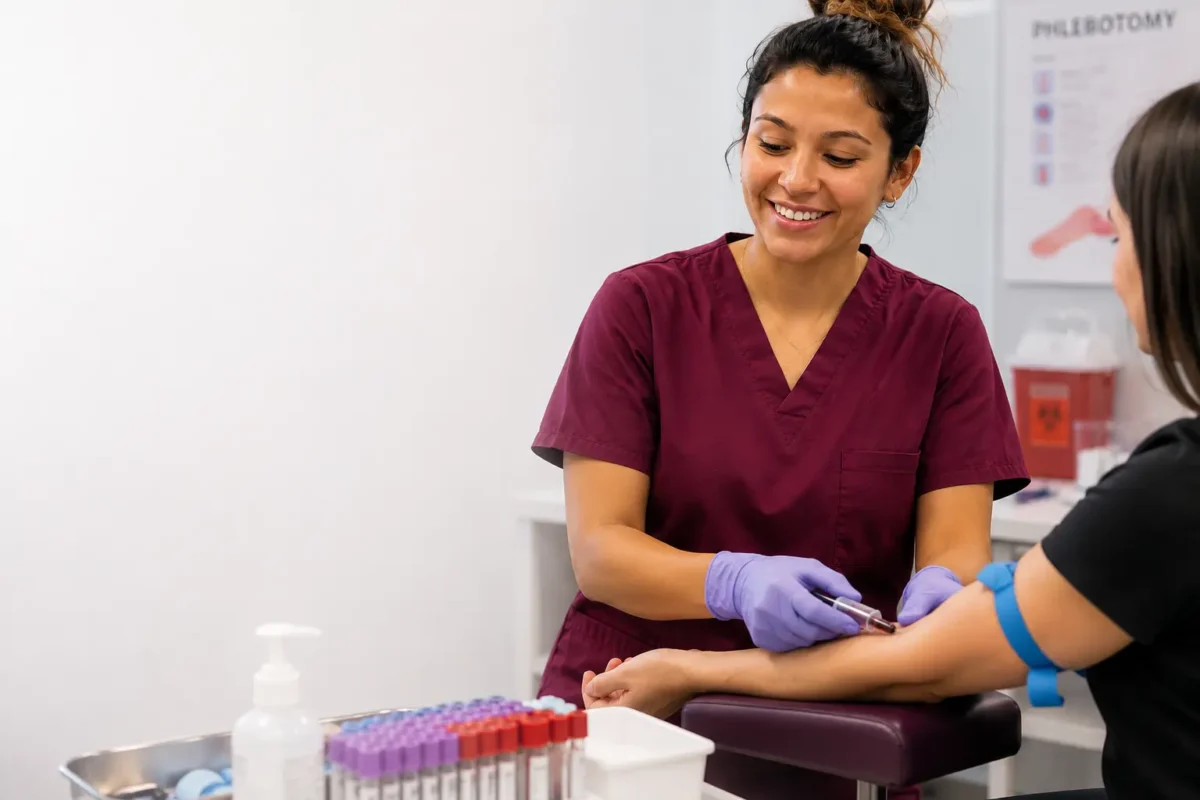
Choosing a medical career is a big decision, so it’s natural to wonder if phlebotomy is the right path for you. With NAPTP’s Phlebotomy Technician Course, starting a rewarding healthcare career has never been easier thanks to 100% online, self-paced training. If you enjoy hands-on patient care, want a clear training pathway, and are looking to enter the healthcare field quickly, phlebotomy could be the perfect fit.
This guide explores the qualities of successful phlebotomists, what a typical day looks like, the benefits and challenges of the role, and how to become a phlebotomist—helping you decide whether it’s the right career for you.
Who Thrives as a Phlebotomist?
Successful phlebotomists combine technical skill with strong interpersonal abilities. Common traits include:
- Calm under pressure: drawing blood from nervous or medically complex patients requires steady hands and composure.
- Good manual dexterity: precise needle placement and safe handling of specimens are central to the job.
- Customer-service mindset: the role is patient-facing—kindness, clear communication, and empathy matter.
- Attention to detail: labeling, handling, and tracking specimens accurately prevents diagnostic errors.
- Physical stamina: many shifts require standing for long periods and moving patients or equipment.
If you enjoy routine clinical procedures, prefer varied interactions over isolated desk work, and take satisfaction from contributing directly to patient care, phlebotomy could be a good match.
What a Typical Day Looks Like
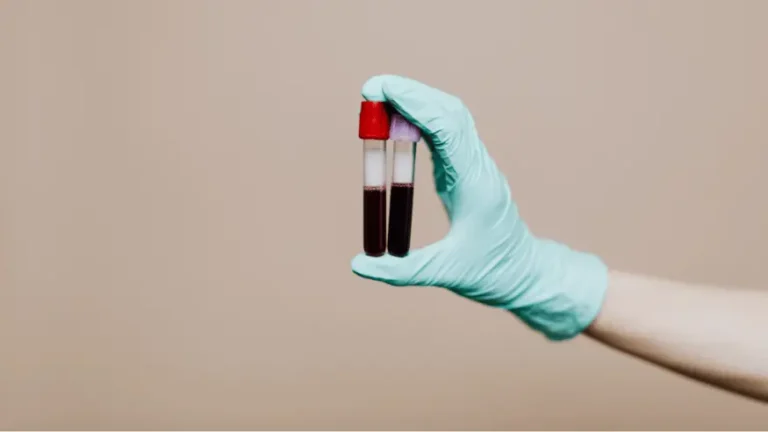
- Reviewing requisitions and preparing supplies for scheduled panels.
- Greeting patients, verifying identity, and explaining procedures.
- Collecting blood by venipuncture or skin puncture, then labeling and processing samples according to lab protocols.
- Maintaining infection control and safety measures (PPE, sharps disposal).
- Documenting draws, resolving specimen issues, and communicating with clinicians or lab staff as needed.
Pros and Cons of a Phlebotomy Career
Below are practical considerations to weigh when deciding whether to pursue this path.
Pros:
- Fast entry into healthcare: training programs are shorter than many allied health professions.
- High demand: laboratories, hospitals, and clinics consistently need skilled phlebotomists.
- Clear career ladder: with experience and certification you can advance to lead tech, lab assistant roles, or become an instructor.
- Rewarding patient contact: immediate, tangible impact on diagnostic care.
Cons:
- Physical strain: standing, repetitive movements, and heavy caseloads can be taxing.
- Emotional demands: working with anxious, ill, or pediatric patients may be stressful.
- Exposure risk: although mitigated by protocols, handling blood carries occupational hazards—strict safety practices are essential.
For information on safety standards and bloodborne pathogen guidance, reputable resources include the Centers for Disease Control and Prevention (CDC) and the Occupational Safety and Health Administration (OSHA).
How to Become a Phlebotomist

Becoming a phlebotomist follows a straightforward path: complete a recognized training program, gain hands-on experience, and earn your certification. NAPTP’s Phlebotomy Technician Course combines flexible online learning with clinical components to prepare students for real-world practice. Once you’ve completed your training, you can take the NAPTP Certification Exam to demonstrate your knowledge and skills.
If you’re ready to take the next step in your career, NAPTP also offers Phlebotomy Instructor Certification. Designed for experienced phlebotomists, this program helps you develop the teaching, leadership, and curriculum skills needed to train the next generation of professionals.
Throughout your career, it’s also important to understand the professional standards that guide safe, ethical patient care. NAPTP’s Code of Ethics and Scope of Practice outline the responsibilities, expectations, and clinical boundaries of a phlebotomist, helping you provide confident, compliant, and compassionate care.
5 Tips for Making the Decision
- Shadow a PhlebotomistSpend time in a clinic, hospital, or laboratory to experience a phlebotomist’s daily responsibilities firsthand. Observing patient interactions and blood collection procedures can help you decide if the role is a good fit.
- Consider Your Comfort LevelThink about how comfortable you are working with blood, needles, and medical procedures. While confidence grows with training and experience, being open to these aspects of the job is important.
- Think About Your Long-Term Career GoalsConsider where you’d like your healthcare career to take you. Phlebotomy can be a rewarding long-term profession or a stepping stone to careers in nursing, laboratory science, or other allied health fields.
- Research Certification RequirementsMany employers prefer—or require—certified phlebotomists. Reviewing certification expectations and choosing a respected training provider like NAPTP can help prepare you for employment.
- Reflect on What Motivates YouIf you enjoy helping others, stay calm under pressure, pay close attention to detail, and want to make a meaningful impact on patient care, phlebotomy could be the right career path for you.
For broader career information, including typical job duties, work environments, salary expectations, and employment outlook, trusted resources include the Cleveland Clinic and the U.S. Bureau of Labor Statistics (BLS).
If you’re ready to build a rewarding career in healthcare, NAPTP’s training and certification pathways can help you get there. Explore the Phlebotomy Technician Course, learn more about NAPTP, and take the first step toward becoming a nationally certified phlebotomist.