Categories
Phlebotomy Certification

How to Prepare for the Phlebotomy Certification Test: What to Know

The median pay for phlebotomists as of 2021 is $37,380 per year. Predictions are job demand will grow 22% between 2020 to 2030.

Most employers seek professionals that pass the phlebotomy certification test. To advance your career, you need a certification program that includes the study materials.

Keep reading for everything you need to know about phlebotomy programs and certifications.

What Is Phlebotomy?

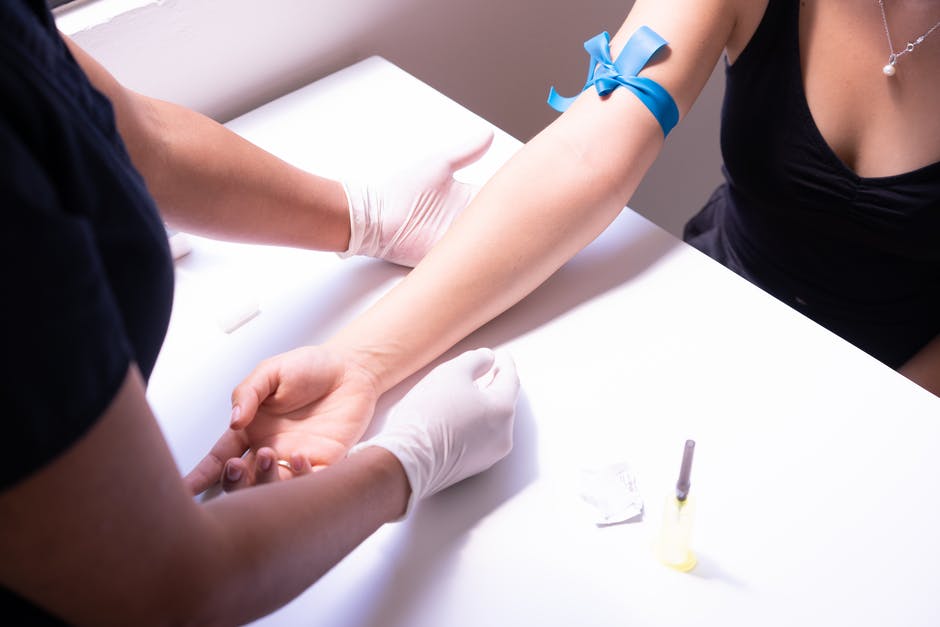
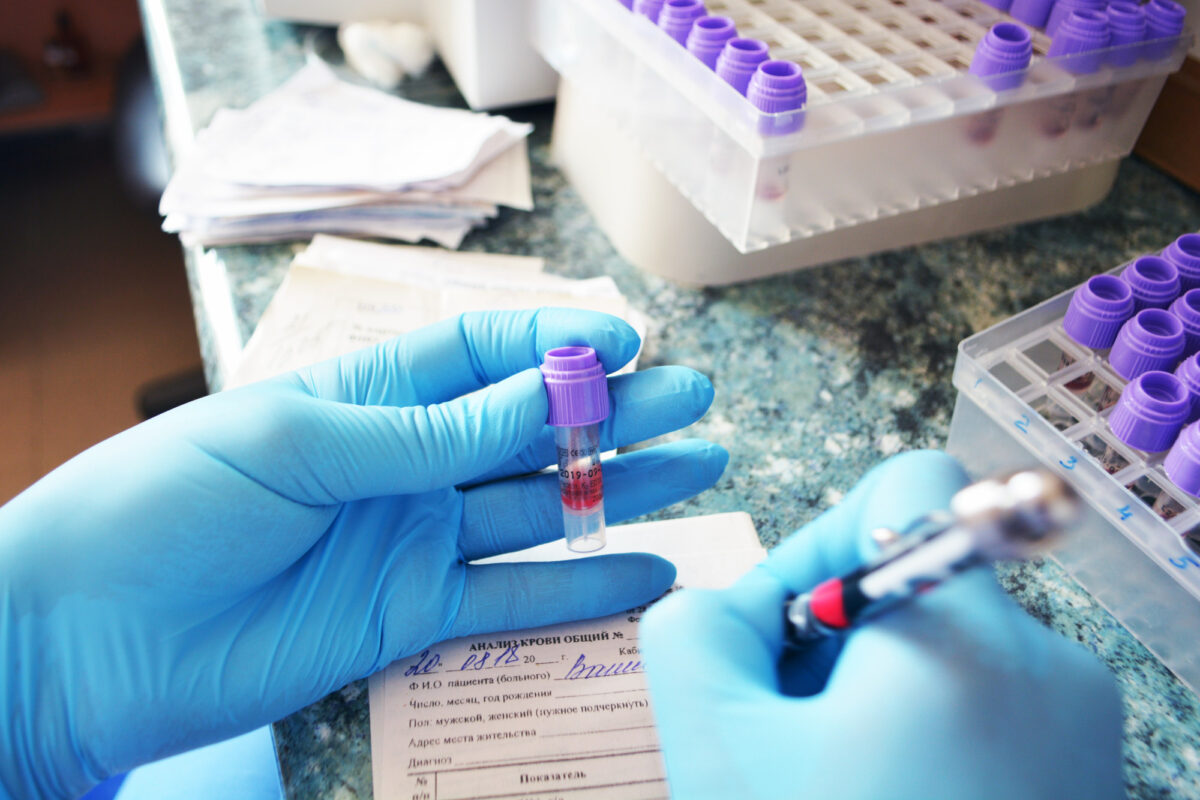
Phlebotomy uses a needle to draw blood from a vein. The blood is usually sent to a laboratory for testing. Blood is sometimes drawn for therapeutic phlebotomy or for treating specific medical conditions.

Technicians usually work in diagnostic laboratories, blood donor centers, hospitals, and other medical facilities.

Benefits of Phlebotomy Certification

Phlebotomy certification allows you to perform tasks beyond basic blood draws. It shows your employer you have the qualifications to perform:

  • Blood draws from patients
  • Explain the blood-draw procedure to patients
  • Evaluate a patient’s ability to withstand the procedure
  • Perform point-of-care testing
  • Prepare urine, blood, and other specimens for testing
  • Verify patient or donor identity
  • Maintain and clean medical equipment

States have different requirements for phlebotomists’ needs for a license or certification.

Prepare for the Certification Exam

You may prepare for the exam by purchasing the NAPTP hardcopy or PDF book to study. You may also register to take a review course.

You may want to participate in a phlebotomy program to increase your chances of passing the exam. The NAPT offers three options:

  • Phlebotomy National Exam and Review Course—$459
  • Immunization Certification Course and Exam—$359
  • Phlebotomy Instructor Certification—$639

The third option is for those wishing to become certified instructors and includes the phlebotomy review, national exam, and instructor course.

Taking the Phlebotomy Certification Test

The National Association of Phlebotomy Technician Professionals certification exam receives recognition by the NCCT, NHA, ICE, and AMCA. It has acceptance by healthcare organizations and leading hospitals nationwide.

The online exam of about 100 questions covers:

  • Assignment organization
  • Clerical duties and skills
  • HIPAA and OSHA regulations
  • Infection control
  • Legal, ethical, and professional considerations
  • Obtaining blood samples
  • Point-of-care and waived testing
  • Problems and correction
  • Professional communications
  • Safety procedures and standards
  • Special collections
  • Specimen collection and processing
  • Terminology, psychology, and anatomy
  • Time management

You will have two hours to complete the exam with a score of 85% or higher.

After successfully completing the exam, you receive certification and a hand-sewn patch for your lab coat. Your certificate is available on the NAPTP website for employer verification.

Requirements

To register for the exam, you must perform a minimum of 65 live blood draws within 24 months.

You may also register within six months of graduation from a phlebotomy program after completing at least 30 live blood draws.

You must agree to the NAPTP scope of practice and code of ethics.

Phlebotomy Certificate Cost

The NAPTP exam gives you national certification as a phlebotomy technician. The cost for taking the exam is $129.00 and covers one attempt to pass the exam.

To take the exam and receive a PDF study guide, you will pay $225. This fee includes the ability to make two attempts at passing the exam and instant access to your PDF study guide.

After passing the exam, you will receive your certification number, a hard copy of the certificate, and a hand-sewn patch for your lab coat.

If you need to renew, the fee is only $99. This allows you five attempts to pass the exam, your active certification renewal in the NAPTP database; an updated hard certificate, and a hand-sewn patch.

Phlebotomy Career Training

Whether you need phlebotomy training or want to take a phlebotomy certification test, the National Association of Phlebotomy Technician Professionals is the only organization that helps technicians achieve national certification.

If you have questions about our program, call us at (877) 437-6470 or send us a message using our online form.


 

Categories
Veterinary Technician

8 Important Skills To Enhance Your Veterinary Technician Resume

veterinary technician resume

The average salary for a veterinary technician is $37,591 per year! This can range from $31,644-$44,671.

Whether you’re a veterinary tech now or considering becoming one, some important skills can help you stand out. In this sea of competition, it’s never been more important to stand out, but how? Read this guide on skills to enhance your veterinary technician resume today!

1. Phlebotomy

Venipuncture is when you collect blood directly from a vein; a phlebotomist performs it. You can help mobile veterinarians with venipuncture and vaccine administration, help doctors daily, and perform catheter placement.

It can also help with the following:

  • IV placement
  • Surgical recovery
  • Obtaining specimens
  • Maintenance procedures
  • Radiography

2. Catheter Placement

Learn to insert a catheter into a patient’s urinary tract, bowel, or bladder. Collect and drain gases or fluids. Learn advanced medical procedures, including anesthetic monitoring, catheter placement, and more.

Help with laboratory procedures and radiology. Help patients with post-surgical evaluations. Assist vets with catheter placement, patient assessments, and ultrasounds.

3. Attention to Detail

Attention to detail is a must for veterinary technician skills. Even the smallest mistake could jeopardize an animal’s health. Attention to detail is also important for treatment plans and recording patient information.

4. Problem Solving

Use problem-solving to help solve problems for animals. Help pet owners feel better about why their pet is alright.

It could also help with pets who are scared or aggressive. You can learn methods along the way to help calm animals.

5. Patience

Patience is vital since you’re working with the public, who might be upset, and so might the animal. Animals can respond with unpredictable reactions to various procedures and tests. Remain calm to help the vet determine the best treatment option.

6. Radiology

Along with your veterinary technician certification, radiology can be an added bonus. This allows you to read and understand medical images.

You might be able to operate imaging and produce X-rays. Radiologists normally perform and read these tests.

7. Be Personable

Discuss how you have a personable attitude with animals and people, whether it’s being prompt in responding to emails, answering customers’ questions, or having strong communication skills overall. You’ll need to be comfortable speaking with clients, even if they’re upset or angry.

8. Organizational Skills

Business skills will also help you stand out. You must organize logs, lab reports, patient records, and other documents.

Digital filing and a knowledge of computers are both important. You might also have to manage inventory, set up appointments, and take payment.

Skills To Improve Your Veterinary Technician Resume

This guide should give you a better idea of how to improve your veterinary technician resume. Take your time deciding which skills you can learn straight away to stand out from the crowd.

Are you ready to get started with a phlebotomy certification? Then register today!

Become nationally certified through the NAPTP. The mid-level option even comes with a PDF study guide to help you get started. If you have any questions, we’re happy to help!

Categories
Phlebotomy Certification

Who Benefits From a Certification in Phlebotomy?

phlebotomist

Did you know that the number of registered nurses who work in the US is 4.3 million? In their jobs, they are crucial in improving the health of the nation, closing health disparities, evolving national and local health systems, and delivering care.

If you’re thinking of becoming a nurse or having another job in the medical industry, you might be thinking of getting a certification of the phlebotomist type.

However, if you don’t have much information about this certification, you might feel stressed. Fortunately, in this article, we’ll review who benefits from getting a phlebotomist certification.

Finally, you can decide if you want this certification and start your career today. Read on to learn more.

Phlebotomists

As you can imagine, if someone wants to become a phlebotomist, they’ll benefit from getting a phlebotomist certification. If you’re asking the question, “What is a phlebotomist?” the answer is a technician who draws blood for testing.

Once someone gets a phlebotomist certification, this can help them in attaining a job as a phlebotomist. It’s important to note that you’ll also be required to receive training to get one of these jobs.

Most employers prefer that the phlebotomists they hire are certified phlebotomists. A median phlebotomist salary was $36,320 in 2020.

Nurses

A job in which phlebotomist training is essential is that of being a nurse. This is because nurses can use the skills they learn when getting a phlebotomist certification. This said, however, if you’re planning on becoming a nurse, you need to also have a period of retraining to become a nurse.

Once you have both this training and your phlebotomist certification, you’ll be able to get a higher salary than nurses who don’t. Additionally, because of the experience you already have, it will be easier for you to get a job.


Laboratory Technicians

One of the most common phlebotomist jobs is that of laboratory technician. This is because both phlebotomists and lab technicians share many of the same tasks that are part of medical diagnosis.

However, like in the nursing profession, if you want to be a lab technician, you need additional retraining.

Medical Billers and Coders

Because so much of the healthcare sector is now starting to go digital, there’s a huge demand for medical billers and coders.

With a phlebotomist certification and a short retraining period, you can quickly get a full qualification as a medical biller and coder.

Interest in Becoming Certified as a Phlebotomist?

Now that you’ve learned who benefits from becoming certified as a phlebotomist, you might have decided that you want to get a phlebotomist certification. In this case, you should prepare for getting your certification through the NAPTP.

At the NAPTP, we offer the NAPTP Review Course & Exam, the NAPTP Exam, the NAPTP Renewal Exam, the NAPTP Phlebotomy Instructor Certification, and more. To learn more about our courses and exams, contact us today.

Categories
Phlebotomy Certification

Phlebotomy vs. CNA: What Are the Differences?

phlebotomy vs. cna

If you’re looking to get into healthcare, you’re making a great choice- it’s the fastest-growing market in the US economy. Still, if you’re going to join the ranks of these 18 million workers, you’re going to need to choose the right path for your journey towards being a medical professional.

Phlebotomy vs. CNA is an important distinction since these are two of the most popular entry-level positions in the medical sector. Read on to learn how these two positions are different in both their duties and requirements.

Defining Phlebotomy vs. CNA

Phlebotomy is the practice of drawing blood from patients to send for lab work. A phlebotomy technician is trained in how to appropriately draw, handle, label, and store blood. They also learn how to send it for professional assessment and analysis.

Phlebotomy technicians also may draw blood for purposes other than lab work. This includes blood donation and transfusion.

A certified nursing assistant (CNA) is an entry-level healthcare position that helps patients with direct care needs. They work under the supervision of a nurse and help with manual tasks for patient care. Such jobs might include assisting with mobility needs, cleaning bodily fluids, talking to patients, and ensuring their comfort.

Job and Duties

As you might expect, the duties of a CNA are much broader than those of a phlebotomy technician. While phlebotomists are solely responsible for blood-related endeavors, CNAs focus on broader patient care. They may help to bathe them, serve them meals, or assist them with moving around the room.

CNAs therefore work directly with patients far more often than phlebotomists do. Phlebotomists only usually interact with patients during the process of drawing blood. Other facets of their job such as blood storage and transportation require a lot of technical knowledge but little patient interaction.

Education, Certification, and Experience

To become a phlebotomist, you will need to attend accredited courses like those NAPTP offers. These courses take about six weeks and are fully online. They will prepare you to sit for the phlebotomy exam.

There are multiple tiers of phlebotomy professionals. Limited phlebotomy certification, CPT I, and CPT II all have their own requirements. Make sure that you know what you’re working toward and what you will need to do to achieve your goals.

CNAs need to complete an approved nursing assistant program. This is generally in-person and can range from a few months to a year. After completing this program, they will need to complete a state-specific nursing exam.

Become a Certified Phlebotomist Today

Now that you know the difference between phlebotomy vs. CNA duties, it’s time to begin your journey towards medical work. The National Association of Phlebotomy Technician Professionals (NAPTP) offers the training and exams needed to become a certified phlebotomist.

Our experts are committed to preparing you for blood draws, working with patients, and implementing appropriate storage and handling techniques. Contact us with any lingering questions that you have about becoming a phlebotomy professional.


Categories
Phlebotomy Certification

5 Reasons a Phlebotomy Certification Can Advance Any Medical Career

phlebotomy

Are you researching medical careers and wondering what’s right for you? Have you considered getting a phlebotomy certification?

Phlebotomists are an essential part of a medical team. They work in doctors’ offices, hospitals, clinics, and diagnostic centers.

Their chief responsibility is drawing blood samples from patients. They prepare samples for lab tests, blood transfusions, and medical research. Workers in this field are in demand, and this trend is only expected to grow.

Phlebotomy certification can lead to steady employment and other opportunities in the medical field. If you’re considering medical jobs, phlebotomy certification is a good first step.

Here are 5 ways phlebotomy certification can advance your medical career.

1. Quick Certification

You can begin pursuing career opportunities right after completing a phlebotomy course and earning certification. Most employees prefer to hire certified phlebotomists.

Earning a phlebotomy certification may increase your chances of getting a better job and better pay. In time, you may be able to advance to a management or supervisory position.

2. Pursuing a Specialization

Once you obtain a job as a phlebotomy technician, you can work to advance your medical career by pursuing certification as a specialist. As a specialist, you can earn more money and have better job security.

Many certified phlebotomists choose to advance their phlebotomy careers by choosing a specialty area and taking a certification exam.

3. Advancement as a Nursing Professional

Many people choose to pursue phlebotomy certification to gain an entry-level job in the medical field. It’s a great way to gain some experience. You can start your medical career and earn money while you pursue a degree or nursing certification.

If you haven’t chosen a medical specialty, working as a phlebotomy technician is a great way to determine your area of interest for the future.

4. Work in a Growing Field

The population is aging, and the need for medical care is growing. There’s a great need for phlebotomy technicians who play a vital role in patient care.

Getting a phlebotomy certification can provide job security. In a growing field, it can be a stepping stone for future opportunities.

5. Be an Asset to the Medical Field

The medical community needs phlebotomy technicians. They provide a necessary service and are an essential part of a patient care team.

Blood tests and diagnostic tests are critical for good patient care. Doctors use these tests to make a diagnosis and prescribe the right medication or treatment.

Working in the medical field can provide a sense of satisfaction. It’s a great feeling knowing you’re using your skills and training to help people every day.

Obtaining Phlebotomy Certification

Deciding to obtain a phlebotomy certification allows you to work in a growing field and advance your career or specialty. You get to help countless patients who count on you to perform important tests their doctors have ordered.

If you’re looking for medical careers that provide a quick certification and opportunities for growth, phlebotomy may be the perfect choice.

The National Association of Phlebotomy Technician Professionals leads the nation in certifying phlebotomists and phlebotomy technicians. If you’re interested in phlebotomy careers, take a look at our course and exam options and register here.


Categories
Phlebotomy Certification

How Hard Is It to Get a Phlebotomy Certificate? A Guide

Phlebotomy is one of the easiest areas of the medical field to enter and requires the least amount of training. Only four states, California, Louisiana, Nevada, and Washington, require phlebotomy technicians to obtain certification.

The majority of employers nationwide prefer professionals with a phlebotomy certificate. Certification opens the door to more job opportunities, more variety in job responsibilities, and higher pay. The national average phlebotomy technician pay is $33,713 per year or $16.21 per hour.

If you are wondering how hard it is to get into a phlebotomy program and obtain certification, keep reading. We will share everything you need to know about this lucrative, in-demand career.

What is Phlebotomy?

Phlebotomy is the process of obtaining blood from a vein. This requires puncturing a vein with a needle. The purpose is to remove blood for diagnostic tests or to remove the blood for medical treatment.

Phlebotomy Technician vs. Phlebotomist   

Phlebotomy technicians and phlebotomists earn the same certificate regardless of their job title. The job duties are to draw blood, take care of patients in the lab, ship samples, and take care of lab equipment.

The only difference between the two positions is what the employer chooses to use as a job title. The salary each earns depends on their job duties, experience, and the size of the office or lab where they work.

Phlebotomy Programs

The steps to becoming a phlebotomist are simple:

  • Complete High School or obtain GED
  • Complete an accredited phlebotomy program
  • Obtain your certification

You want to enroll in an accredited training program to obtain your certification. If you use a program that offers online training, you can usually complete your certificate within six months of registration.

Your phlebotomy program cost is around $600. Training takes about 170 hours of course time and covers about 35 different areas of instruction, including:

  • Compassionate patient care
  • Documentation and record keeping
  • Hazardous materials management
  • Health and safety for patients
  • Locating veins and troubleshooting hard-to-find veins
  • Proper phlebotomy technique
  • Use and maintenance of equipment
  • Standards and codes you must follow

You must pass a certification exam for each course to receive your certificate. You will also need to participate in an internship, including 30 vein punctures. Each blood draw must be supervised, and a sign-off on the blood draw must be on a log.

Once you obtain a certificate saying you qualify as a phlebotomy technician, you will want to get a certification that receives recognition nationwide.

Obtaining a NAPTP Phlebotomy Certificate

Once you receive your phlebotomy technician certificate, you will want to go for the gold standard of phlebotomy technicians—NAPTP certification.

To achieve certification, you need to score 85% or higher on a 100-question exam covering a wide range of topics relative to phlebotomy. This includes competency in HIPAA and OSHA regulations.

To take the exam, you must complete at least 65 live blood draws within two years or 30 live draws if you graduate from a phlebotomy program within the past six months. Your phlebotomy certificate cost depends on the exam and study materials that best fit your needs:

  • NAPTP Exam—$129
  • NAPTP Exam and PDF Study Guide—$225
  • NAPTP Renewal Exam—$99
  • Phlebotomy National Exam and Review Course—$459
  • Immunization Certification Course and Exam—$359
  • Phlebotomy Instructor Certification—$639

Upon passing the phlebotomy certification exam, you will receive a certificate with an affixed seal and a hand-sewn patch to wear on your lab coat. The certification will be on the NAPTP website for verification by your employers.

Where to Get a Phlebotomy Certificate

When seeking certification, you want to use the nation’s leading organization for phlebotomy technicians and phlebotomists.

To obtain a phlebotomy certificate, call the National Association of Phlebotomy Technician Professionals (NAPTP) at 877-437-6470. You may also reach us by using our online contact form.

Don’t hesitate; get started on your new career today!

Categories
Phlebotomy Certification

Benefits of Phlebotomy Certification for CNA

Are you working as a CNA or working towards CNA certification? If so, you may want to consider phlebotomy certification in the near future. 

As a CNA, there are many opportunities for specialty credentials. Phlebotomy is one of those choices.

The need for phlebotomists is high, and this trend is expected to continue in the foreseeable future. You can increase your skills and your potential with phlebotomy certification.

Here’s a look at the many benefits of phlebotomy certification for a CNA.

Broaden Your Horizons

Additional certifications, including phlebotomy, can increase your chances of getting a good job. It can broaden your opportunities as a CNA as well.

CNAs with phlebotomy training are needed around the country. With these credentials, you can work in a variety of settings. Some possible CNA with phlebotomy certification jobs include:

  • Public hospitals
  • Private hospitals
  • Specialty hospitals
  • Medical clinics
  • Nursing homes
  • Retirement centers
  • Hospice care
  • Rehabilitation centers
  • Home health
  • Blood donation centers
  • University health clinics

Phlebotomy certifications can broaden your chances for employment in a variety of healthcare settings. More training equals more chances of landing a job that you love.

CNA vs. Phlebotomist Pay

Earning a phlebotomy certification as a CNA could help you make more money. The average salary for a phlebotomist in the U.S. is $33,803. 

That’s more than the majority of CNAs make in a year. Adding specialty training to your resume can open up new opportunities for a better salary.

Boost your earning power as a CNA with phlebotomy certification.

Quick Certification

If you are busy working as a CNA, you probably don’t have endless hours to sit in the classroom earning another certification. The good news is you can earn phlebotomy certification relatively quickly.

Depending on your schedule and the pace you wish to go, you can complete CNA phlebotomy training in as little as 8 to 16 weeks. 

Online classes and reviews help make the entire process simple and fast.

Gain Respect in Your Field

As a CNA, you play a valuable role in the healthcare community. Adding phlebotomy certification to your list of accomplishments will only enhance your professional reputation.

As you increase your skills, you’ll feel more confident in your abilities and earn the respect of your colleagues. When patients know you are highly qualified, they feel comfortable and secure in your care.

Phlebotomy Certification for a CNA

As a CNA, increasing your skills only enhances patient care. Adding phlebotomy certification to your resume can increase your abilities and opportunities as a CNA. 

If you’re busy working as a CNA or working to become one, you should consider all avenues for advancing your skills, pay, and opportunities. Phlebotomy certification for a CNA may be the perfect choice for you.

At NAPTP, we help thousands of people just like you gain the skills and knowledge they need to excel in their careers. 

If you’re considering phlebotomy certification, contact us today to learn more.

Categories
Phlebotomy Certification

The Vital Role of Trained Phlebotomists in Health Care

phlebotomists

The average phlebotomist makes about $37,147 per year. It can range from $33,462-$41,487.

If you’ve considered becoming a phlebotomist, you might be curious about what they do exactly. It’s so much more than drawing blood!

Is this a rewarding role, and how are they important in healthcare? Read this guide on the vital role of phlebotomists in healthcare today!

What Is a Phlebotomist?

A certified phlebotomist draws and collects blood samples from patients. Strong phlebotomists will help relax patients and make them feel more comfortable.

They’ll play a role in helping to diagnose and treat health conditions. Phlebotomists will also keep everything organized and in good condition. Most diagnoses today are made through blood tests!

They can help diagnose viruses, bacterial infections, and blood disorders. Some forms of cancer can be found through blood tests as well.

Safety

Phlebotomist duties include keeping sterile conditions to maintain safety. Sterile conditions minimize injuries, infections, and blood-borne illnesses.

They’ll use sterile gloves, clean needles, and have clean lab coats. Each area is primed with alcohol before collecting blood. Afterward, they’ll bandage the area.

During a medical emergency, they can administer first aid. Phlebotomists will keep everything organized to avoid mixing patients’ blood results.

Supplies Management

Each sample must be recorded to avoid mixing up patients’ blood. They’ll also organize and monitor supplies. In a hospital, phlebotomists will stock and prepare blood trays in case of an emergency.

The Importance of Phlebotomists

Phlebotomists are vital since they help doctors treat and diagnose various conditions. Phlebotomy is also an important component of dialysis and blood transfusions.

Phlebotomists can be found in:

  • Labs
  • Doctor’s offices
  • Clinics
  • Hospitals
  • Private companies that perform diagnostic screenings

Patient Care

Many patients suffer from the fear of needles. It’s important that you’re empathetic and can reassure their fears.

Their fear of needles might be due to a bad experience. Talk to them and be gentle to make the process as easy as possible.

Answer any questions they might have and what they can expect. Ask them when they’re ready before you begin.

Phlebotomists can also help patients with dementia, neonatal care, and much more. Blood tests help protect expectant mothers and their babies during pregnancy.

It could find gestational diabetes, anemia, etc. Blood work could also find any potential concerns with newborns and babies before they’re born.

Understanding the Importance of Phlebotomists

After exploring this guide, you should understand the importance of phlebotomists in healthcare. A phlebotomy certification can help you stand out on resumes if you’re a healthcare worker.

While certification isn’t necessarily a requirement for phlebotomy, it helps you stand out from the crowd. Are you ready to take your career to the next level and receive a certification in phlebotomy?

Then sign up today to become NAPTP Certified! If it’s been two years since you’ve passed, you can renew your certification. If you have any questions along the way, we’re happy to help.

Categories
Phlebotomy Certification

Is a Career in Phlebotomy Right for You?

Phlebotomy

The healthcare industry is projected to grow 16% over the course of the decade. Because of this, demand for medical careers is only about to increase. Phlebotomy is an accessible and easy medical field to find a job in to get experience.

Here, we’re going to talk about the basics of phlebotomy jobs. Read on to assess whether one of these life-changing careers is a good choice for you.

What Is a Career in Phlebotomy?

Phlebotomists are medical professionals that are trained in drawing blood. They may extract this blood for several reasons including testing, research, and donation. This is an essential role in hospitals because many patients require blood draws from certified professionals.

Phlebotomists understand the best ways to draw blood without causing harm or stress to patients. They have top-notch communication skills because they need to help those who are anxious calm down before a blood draw. When patients are relaxed, the process of drawing blood is much easier.

The Benefits of a Phlebotomy Career

Phlebotomy is an essential part of saving lives. Their work gives labs the samples they need to perform testing for diseases like blood cancer, diabetes, and cardiac illness. This can help patients identify potentially life-threatening health conditions so that they can get the best possible treatment.

A phlebotomy career is also a good first step for those looking to get into higher-ranking medical positions. It gives you experience working in hospitals and helps you grow connections with other healthcare professionals.

Phlebotomy is also a field that doesn’t require any advanced degrees. Instead, you simply need to undergo non-degree certification programs. You also will need to acquire technical experience from on-the-job training.

This means that it is extremely accessible as a first step towards a medical career. If you’re someone who’s interested in helping patients and saving lives, this is a great stepping stone on the way to your dream job. It also is extremely important work, which means that you may want to make phlebotomy your long-term career as well!

How to Get Phlebotomy Certification

The National Association of Phlebotomy Technician Professionals (NAPTP) administers training and certification. We offer self-paced phlebotomy prep courses on demand. You can take this class to get the skills and information you need to pass the NAPTP certification exam and kick-start your career.

Once you finish the six-week prep course, you then will gain access to a practice exam. You can take this test before taking the actual NAPTP exam, though you will have access to the exam immediately after the course. However, the practice test increases your chances of doing well.

Once you pass the course, you will be certified to begin phlebotomy fieldwork. It’s a quick process that opens the door to a rewarding career path.

Start Your Phlebotomy Training Today

Now that you know why a career in phlebotomy is a great choice, it’s time to begin the process of phlebotomy certification. NAPTP offers classes and exams with certified instructors so that you can kick off your career the right way. Contact us with any remaining questions that you have about phlebotomy training and sign up for one of our courses.

Categories
Phlebotomy Certification

Phlebotomist vs. Phlebotomy Technician: What Are the Differences?

phlebotomist vs. phlebotomy technician

There are 4 main blood types, and each one can affect a person’s health in various ways, in addition to their unique genetic makeup. If you find this interesting and have always wanted a career in healthcare, then phlebotomy might be ideal for you.

Within the field of phlebotomy are the jobs of phlebotomist and phlebotomy technician.

What are the differences between a phlebotomist vs. phlebotomy technician? And which career is right for you? Read on to find out more.

What Is a Phlebotomist?

The first thing you should know is that in many cases, the term phlebotomist is interchangeable with phlebotomy technician. But because some workplaces do differentiate between the two, this article will treat them as different jobs.

A phlebotomist is a healthcare professional whose job is to deal with blood. Not only can they draw blood from patients, but they can also walk their patients through the process and monitor their vital signs afterward if needed. Phlebotomists can also collaborate with doctors and maintain their patients’ medical records.

What Is a Phlebotomy Technician?

A phlebotomy technician is also someone who can draw blood. They can also explain the procedure to patients and monitor them afterward if needed.

However, phlebotomy technicians work under phlebotomists. This means they usually assist by preparing for blood draws (such as sterilizing tools) and performing administrative tasks.

Phlebotomist vs. Phlebotomy Technician

Both phlebotomists and phlebotomy technicians need to get the same certificate and license by taking the NAPTP exam. To be eligible for this test, you need to be a recent graduate of a phlebotomy program within the past 6 months and have a minimum of 30 blood draws. Or you can have at least 65 live blood draws within a 2-year period.

An 85% or higher on the NAPTP exam earns you a certification and an affixed seal.

It’s true that in the end, phlebotomists and phlebotomy technicians have many of the same duties. In fact, in lots of facilities, their jobs are considered synonymous, with the one difference being that a phlebotomist oversees a team of technicians.

The main difference is the above scenario is more commonly found in larger facilities while a smaller one (like a private practice) has just one phlebotomist on staff. Because of this, some phlebotomists have a higher salary than their technician counterparts.

So if you’re interested in becoming a phlebotomist, you can start off as a technician and work your way up. Or you can seek employment at smaller medical offices.

Get Started on a Promising Career

Now you know the difference between a phlebotomist vs. phlebotomy technician. If either sounds like the ideal career for you, then the next step is to become qualified and certified. With the right credentials, you’ll be able to start your new career path in no time.

If you’d like to become a phlebotomy technician, then register for our review course now. The 6-week course is fully self-paced and on-demand, which means it can fit into your schedule how you wish.