Categories
Phlebotomy Certification

Four Reasons to Become a Telemetry Monitor Technician in 2021

Are you an aspiring telemetry monitor technician? Read this to find four amazing benefits of following this career path in 2021!

Whether you’re an aspiring telemetry technician or a medical pro, anyone can benefit from a certification program. The certificate will help you aim for better jobs in the market, and you may even stand out from the crowd. However, if you’re still contemplating the idea of becoming a telemetry monitor technician, let us help you!

National Telemetry Association has been helping students and pros in achieving the required 85% or higher score for their telemetry certification since 2011. We are aware of the growing need for EKG technicians and the several benefits you can enjoy from this career path.

What is a Telemetry Monitor Technician?

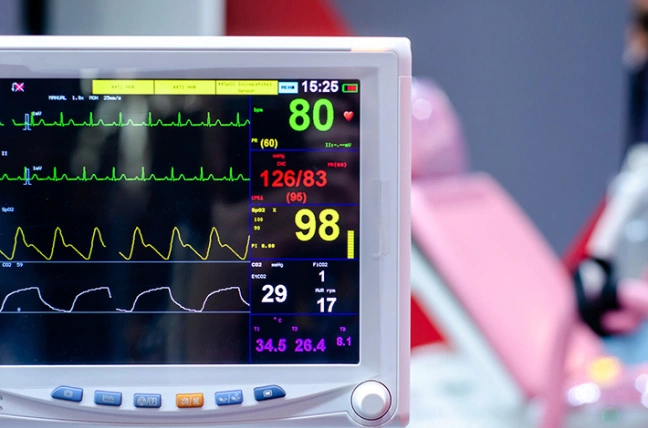
A telemetry technician is responsible for monitoring the heartbeat’s electrical activity. In addition, these technicians also look for any irregularities, evaluate blood pressures, and positioning patients accordingly.


A telemetry nurse would also brief the patient about the procedures and provide them with necessary healthcare. In addition to being familiar with the equipment and supplies for monitoring, they are also responsible for patient safety and compliance procedures.

Benefits of Becoming an EKG Technician

With the global pandemic, more and more hospitals and clinics are following safety measures. This also means the healthcare industry is looking for better EKG technicians with certification in their field. Let’s take a look at some of the benefits you can enjoy from becoming a cardiac monitor technician:

  1. Become the Doctors’ Right-Hand Person

If you’re thinking about becoming a cardiac monitor technician, you probably have a knack for helping others. As a telemetry monitor technician, your job will be vital for doctors to make an informed decision. In addition to this, although your job will not be as invasive as doctors, you will be helping save the lives of several patients.


Without your help, a cardiology test won’t be possible, thus making it impossible to detect arrhythmias and artifacts. So, if you want to work as the doctors’ right-hand person and love taking care of people, this job will be perfect for you.

  1. Easy to Get Certifications

Although getting certified is an option in this field, it will help you gain access to better opportunities in the job market. Unlike other healthcare certifications, a telemetry certification is relatively easy to get. Currently, National Telemetry Association is providing a 3-months and 6-months program for their members.


With just a couple of months of practice and learning and an 85% score, you can become a certified technician.

  1. A Life without Debts

With traditional educational degrees, you might live a life drenched in debt. However, becoming an EKG technician is relatively pocket-friendly, with the pay scales accounting for more than the certification in the long run.


Many institutes also offer interest-free loans and scholarship programs for certification programs. At National Telemetry Association, we provide generous loans for those looking to renew their certification.

  1. Expanding Job Market

According to the US Bureau of Labor Statistics, the job market in the healthcare industry will grow by a whopping 15% between 2019 and 2029, making for more than 2 million new jobs. This means that healthcare-related jobs, especially an essential job like that of a telemetry monitor technician, you can expect a lot of good opportunities and job security.

Join National Telemetry Association Now!

National Telemetry Association has been helping students, pros, and future telemetry monitor technicians in their journey of becoming esteemed professionals. Contact us now for more information!

If you are looking for a career change or are interested in medical health career, Phlebotomy Career Training has the answer. We are the Nation’s leader in Medical Health Careers producing students that are well prepared and ready to work in the field of their choice. Our programs offered include Phlebotomy Technician, , Electrocardiogram Technician, Dialysis Technician, Medical Assistant, Patient Care Technician, Medical Coding and Billing and more!

Our programs are accredited through National Organizations, led by experienced educators, offered both in class and online and yield a 99% course completion rate. The health care industry continues to expand while providing job opportunities well into the future. If you like to help others and assist others in a medical capacity, the options are vast. Call and speak with a Program Specialist today!

Categories
Veterinary Technician

Benefits of Getting a Phlebotomy Certification As a Veterinary Technician

veterinary technician

As a veterinary technician, you’ve seen…well, just about everything. From angry cats to bodily fluids in unfortunate places, you handle it all with grace and aplomb.

After all, your job is all about one thing: ensuring good patient care, even when your four-legged patients aren’t too keen on it.

For veterinary technicians looking for another avenue of career growth, a phlebotomy certification is more than just a certificate to draw blood. It’s a way to provide better care for your patients. Here’s why a phlebotomy certification is a great investment for veterinary technicians.

Benefits of Phlebotomy Certification to Supplement Your Veterinary Technician Certification

If you love animals, you love being a veterinary technician. It’s a job that allows you to help animals recover from health issues and feel their best, and you can do anything from administering x-rays to obtaining samples to assisting a veterinarian during exam, even preparing an animal for surgery.

The trick with animals, of course, is that they don’t speak your language. Unlike human patients, it’s hard for them to advocate for themselves. This is where drawing blood makes a huge difference for your animal patients–blood tests are incredibly common diagnostic tools, and they’re incredibly valuable for diagnosing a patient who cannot speak for themselves.

How to Get a Phlebotomy Certification

The trick with phlebotomy (i.e. the process of drawing blood from a vein with a needle) is that it’s an art as much as a science, despite its status as an incredibly common feature of modern medicine. For this reason, phlebotomy requires specialized, structured training to perform safely. Anyone who is not formally trained in phlebotomy must obtain a certification before they are allowed to perform it.

The good news? Getting a phlebotomy certification is relatively easy. You just need to pass a clinical component and a phlebotomy exam.

At the National Association of Phlebotomy Technician Professionals, our exam is 100 questions covering a wide variety of concerns in the field, including order of draw, HIPAA, OSHA, and patient care. In order to register, you must have completed 65 live blood draws within the past two years, or you must be a recent phlebotomy program graduate (within the past six months) with 30 live blood draws at the time of registration.

Where to Get a Phlebotomy Certification: Choosing the Best Phlebotomy Certification Course

Looking for a great phlebotomy certification course? There are a number of certifying bodies out there, so it can be hard to know where to begin.

First, look for a nationally recognized certification. This will ensure that your credentials remain valid, even if you have to move across states. Plus, name recognition makes you a more attractive hire.

Second, look for an exam with three things: a clinical component, a strong code of ethics, and a carefully defined scope of practice. An online exam won’t do you any good if you don’t know how to perform a blood draw in real life, and a code of ethics and scope of practice both indicate an ethical organization which is concerned with certifying ethical medical professionals who reflect positively on the field (as opposed to making a quick buck).

We are Industry Leaders in Phlebotomy Certification

As a veterinary technician, you want the best for your four-legged patients. And as someone who works hard to deliver great care, you deserve an investment in your future too.

We are the nation’s leading organization in phlebotomy certifications. Founded in 1998, we have spent decades promoting best practices in the field and provided thousands of students with the skills, knowledge, and education they need to succeed. So if you’re ready to take the next step in your career, click here to register and receive your exam prep materials.

Categories
Phlebotomy Certification

How To Expand Your Career As a Surgical Tech With a Phlebotomy Certification

Phlebotomy Certification

As a surgical technician, you see patients during critical junctures in their health, and you help doctors and nurses ensure that they recover successfully. It’s a deeply rewarding role for those who want to work in operating rooms without years upon years of medical school debt. Of course, it also means you have a specific area of patient care–and for those who want a more hands-on role with patients, it can be frustrating. That’s where a phlebotomy certification can make a world of difference.

Not only do you get to interact with patients in a whole new way, you also get a specialized, highly prized skillset on your resume.

If you’re a surgical tech ready for growth, here’s what a phlebotomy certification can offer you–and how to get one.

Why Surgical Tech Jobs Benefit from a Phlebotomy Certification

As a surgical technician, everyone from surgeons to nurses to anesthesiologists count on you. You’re the one who makes their work possible, preparing the operating room for surgery, preparing the patient, arranging equipment and ensuring that surgeons have the tool they need when they need it.

But there’s one area where you can’t assist surgeons: drawing blood. Unless you’re certified as a phlebotomy technician, that is.

A certified phlebotomist is responsible for working with blood–preparing a patient for blood draws, drawing blood, ensuring blood is stored correctly, and transporting blood samples. It’s a seemingly simple procedure that’s critical to healthcare, especially in surgery. After all, blood tests are used in 80% of diagnoses in modern medicine, and they’re incredibly useful for patients who can’t communicate.

How to Get a Phlebotomy Certification

For surgical technicians interested in job growth beyond what’s available as a basic surgical tech, phlebotomy is an exciting avenue for patient care–and better pay as a specialist. Better still, it’s relatively easy to get a phlebotomy certification.

In order to get certified, you have to pass a certification exam. At the National Association of Phlebotomy Technician Professionals, our exam is a 100-question test covering topics from order of draw to HIPAA to OSHA regulations. In order to register, you must have at least 65 live blood draws within a two-year period, or you must be a recent graduate of a phlebotomy program (within the past six months) with at least 30 live blood draws.

Choosing the Best Phlebotomy Certification Course

Looking for a phlebotomy certification. Don’t just Google “phlebotomy certification near me”. As with other elements of your career, it pays to invest in a worthwhile credential over an easy one.

When you’re looking for a phlebotomy certification course, a national certification is your best bet. This ensures that your credentials will be recognized anywhere and you won’t need a new certification if you move to a different state. It also gives you better name recognition, which can make it easier to get hired for your phlebotomy skills.

You should also look for a certifying body with a strong code of ethics and rigorously defined scope of practice. These are both hallmarks of a program that cares about producing capable, ethical medical professionals.

While many programs are offered online, look for one that requires clinical practice as a prerequisite of certification or as part of the exam. An online exam won’t do you much good if you don’t know how to perform a blood draw in real life.

We are the Gold Standard in Phlebotomy Certification

Are you ready to take the next step in your career? Your phlebotomy certification is right around the corner.

Founded in 1998, we are the nation’s leading organization in certifying phlebotomists, and we’ve helped thousands of students gain the skills, knowledge, and expertise to excel in their fields. And now, we’d like to help you do the same. Click here to register and receive your exam prep materials.

Categories
Phlebotomy Certification

What Are the Benefits of Phlebotomy Certification for CNA Workers?

CNA

According to data from the BLS, the demand for phlebotomists is going to grow by 17% by 2029. This is far above the average for all other occupations.

If you are a CNA, getting a phlebotomy certification can be a smart career move. What’s more, increased job opportunities aren’t the only benefit of getting certified as a phlebotomist.

If you’re wondering whether you should get this specialty credential, keep reading as we outline the top benefits of phlebotomy certification.

Widened Employment Options

As mentioned above, getting a phlebotomy certification can open up a wider choice of career options. Phlebotomists are in high demand all over the US, which means you can find employment at a broad variety of facilities and locations.

If you’re a CNA who has completed training in phlebotomy you can find work at places like a:

  • Hospital
  • Medical clinic
  • Rehabilitation center
  • Nursing home
  • Plasma and blood donation center
  • Medical or research laboratory
  • Hospice care center
  • Home health care company
  • University health clinic

Not only does phlebotomy certification give you a better chance of employment, but it can also land you a job in various environments.

Higher Pay

Another benefit of getting a phlebotomy certification as a CNA is that it can net you higher pay. The national average wage for a phlebotomist is $33,803 per year or $16 per hour.

This is substantially more than the average CNA salary. Of course, salaries vary depending on your location and the medical facility you work at. However, the BLS reports that entry-level salaries for a CNA position in the US are currently around $22,750 or $10.94 per hour.

If you are a CNA without specialty training, then it is likely that you will earn within this quartile. On the other hand, if you choose to get a phlebotomy certification, you can quickly bump up your earning power.

Increased Chance of Promotion

Along with more job opportunities and higher pay, getting a phlebotomy certification can also increase your chance of promotion.

Phlebotomy is a specialty credential, which means many CNAs who have this certification move on to more prestigious and better-paying positions. These include jobs such as managers, research assistants, and shift supervisors.

Quick Certification

Becoming a phlebotomist is one of the quickest ways to boost your career as a CNA. This is because phlebotomy certifications are relatively quick.

If you study full-time, you can get certified in as little as 8 weeks. If you have to study part-time, you can still complete your training in under 16 weeks.

Are You a CNA Looking to Get a Phlebotomy Certification?

As you can see, becoming a phlebotomist comes with a lot of attractive advantages. If you’re a CNA, getting a phlebotomy certification can open the door to more employment options, higher pay, and an increased chance of promotion.

Are you looking to get certified? If so, you have arrived at the right place.

The National Association of Phlebotomy Technician Professionals (NAPTP) is America’s leading organization for phlebotomy certifications.

Book your phlebotomy exam here to accelerate your nursing career today.

Categories
Immunization Certification Medical Assistants Phlebotomy Certification Phlebotomy Instructor Course

How Can Medical Students and Phlebotomy Technicians Benefit from Learning How to Administer Vaccines


Phlebotomy Technician
Vaccination cert now available through the NAPTP

With the increase in coronavirus conspiracy theories, much of the public has refused vaccine administration. Healthcare professionals, such as nurses, students, and phlebotomy technicians, play a vital role in changing the public’s perspective and ensuring their safety and health.

There are many benefits of learning how to administer vaccines, but first, let’s take a look at the process of vaccine administration:


What You Will Need


Intramuscular vaccinations have been a part of our lives since we were born. However, not many of us know the ins and outs of administering a vaccine. Here’s a list of things needed to administer vaccines:


  • A Sharps Container
  • Disinfectant
  • Disposable Gloves
  • Cotton Swabs
  • Syringe and needle [16-38mm width, 22-25 gauge]
  • Vaccine
  • Bandages


Post-Vaccination Procedure


Before administering a vaccine, a healthcare professional or phlebotomy technician should check the patient for any infections or fever. In addition to this, they should also review the patient’s records to seek information on allergies.

If the patient has a bleeding or bruising disorder, this will also help determine the appropriate gauge of the needle required. Doctors and nurses also check the patient’s immunodeficiency or surgery requirements to ensure their vaccination process is safe.

It’s also beneficial for patients as well as medical students of professionals to brief the patient on any benefits, efficiency, or side effects of the vaccination. Briefing the patient will help put their mind at ease and make the process smoother.


Steps of Vaccine Administration


Administering a vaccine can be a short process; however, medical students must still follow the SOPs. Here’s how the procedure goes:


  • Disinfecting the hands
  • Check the vaccine’s shelf life, dosage, and route of administration
  • It’s advisable to administer vaccines in patients’ non-dominant arms
  • Palpate the most muscular part of the deltoid muscle and disinfect the area
  • Put gloves on and remove any air bubbles before administering the injection
  • Hold the muscle and inject the vaccination at a 90-degree angle and dispose of the injection in the sharps container


How is Learning This Skill Beneficial for Students and Technicians?


Learning this skill has now become a necessity rather than an option. Here are the benefits of learning vaccine administration for students and phlebotomy technicians:


  • It will enable you to stand out amongst other applicants
  • You will help the public by administering necessary vaccines
  • You will learn how to properly prepare, store, handle, or transport vaccinations
  • Technicians, nurses, and students can volunteer in vaccination centers to provide support to the healthcare team
  • Receive hands-on training sessions and gain insight into vaccinations


Have More Questions?


NAPTP has been helping students, nurses, and phlebotomy technicians across the country for several years. Contact us now for further information.

Categories
Phlebotomy Certification Phlebotomy Instructor Course Uncategorized

Five Ways Phlebotomy Technicians Can Benefit from an Online Certification

Phlebotomy Technician
Phlebotomy technicians need an online certificate and license in California, Louisiana, and Nevada.

Whether you’re an aspiring phlebotomy technician, a medical student, or a certified nurse, getting a certification is not mandatory for all the US states. However, an online certification can set you up for success and help you stand out from the crowd.

Benefits of Certification for Phlebotomy Monitor Technicians

The National Association of Phlebotomy Technician Professionals [NAPTP] has been helping healthcare professionals and students achieve the required score for their online certification exams since 1998. We believe that our course helps improve patient safety measures around the country.
Let’s take a look at some of the benefits of acquiring a certificate for EKG and phlebotomy training:

1. Highlighting Skills

Getting a phlebotomy certificate can be a long and challenging process. However, once you pass the test, you can showcase your skills with proof of expertise. Your employer will be highly impressed with your knowledge and skills highlighted through the certificate.

2. Gaining Knowledge beyond the Basic Training

For a certification program, you will need knowledge of the latest tools, techniques, and equipment. This will also help you in gaining the upper hand in the job market. In addition to this, when you’re studying for the exam, you will gain a lot more education than you would from introductory training sessions.

3. Expanding the Job Market

With certifications, you will not need to wait for months for a local hospital to post job openings. The certificate will enable phlebotomy monitor technicians to apply at other healthcare institutions, such as private clinics, laboratories, treatment or care centers, and educational institutions.

4. Gaining Access to Better Salary Packages

According to Indeed.com, a certified phlebotomist can earn almost $40 thousand a year. Of course, if you don’t have a certification in your name, getting a handsome salary package may not be possible. So, to get better job offers and earn more than your peers, you will need to apply for an online certification exam for EKG or phlebotomy training.

5. Improving Constantly

For a phlebotomist’s certification to be eligible, they need to reappear for the exam every two years. This means that you will constantly be learning new skills, technologies, and methods each time you appear for an exam. This will not only present better opportunities but will also keep you motivated throughout your career.

Do You Need Help?

NAPTP’s certification is recognized by ICE, NTA and PCT.  We have been helping aspiring phlebotomy technicians, students, nurses, and healthcare professionals achieve their goals for decades. Register for our exams now and get a national certificate that allows you to explore new jobs and better academic opportunities.

Categories
Phlebotomy Certification

NAPTP: How National Certification Can Benefit Your Career

Gaining knowledge and learning new skills is a continuous process, accomplished by various methods such as reading, researching, and most importantly taking new courses that help in expanding our knowledge. However, an accredited certificate not only expands our knowledge but can become a great advantage, especially in today’s highly competitive market. Individuals with National certificates stand out as people that seek professionalism and show commitment to being recognized by their peers, and persistence in keeping up with new trends in the field.

The NAPTP (National Association of Phlebotomy Technician professionals) offers you the opportunity to become a certified phlebotomist/phlebotomy technician. How you can register, prepare for the exam, maintain your NAPTP certification, and why the NAPTP is ideal for accredited national certifications will be discussed in this article.
Applicants must be phlebotomy program graduates and must perform a minimal number of live blood draws to register for the exam on the NAPTP website. You will have to fill in all your personal information and mention any previous experience in the healthcare sector when you register for the exam. However, the registration options are not limited to just taking the exam because the additional help tools such as a review course or a PDF study guide offer further assistance in preparation and passing of the exam.
Once you pass the exam and become a certified phlebotomist/phlebotomy technician you can pursue your career anywhere that US certifications are accepted. Moreover, you will be able to earn more certifications, such as immunization certification and instructor certification. All these certifications will lead to an increase in your salary and forming a professional credibility.

NAPTP is the ideal route for obtaining accredited national certification. Particularly since the NAPTP certification is recognized by the National Telemetry Association. This certification is also accredited through CAPCE through the NTA. The NAPTP is a member of the ICE and is accepted by the hospitals and healthcare organizations. The NAPTP is also eligible to grant 15.5 CEU’s for each candidate that is accredited by CAPCE.

Get in touch with the NAPTP today and find out how you can benefit from an accredited national certification.