Categories
Phlebotomy Certification

Everything You Need to Know About Becoming a Phlebotomy Technician in NJ

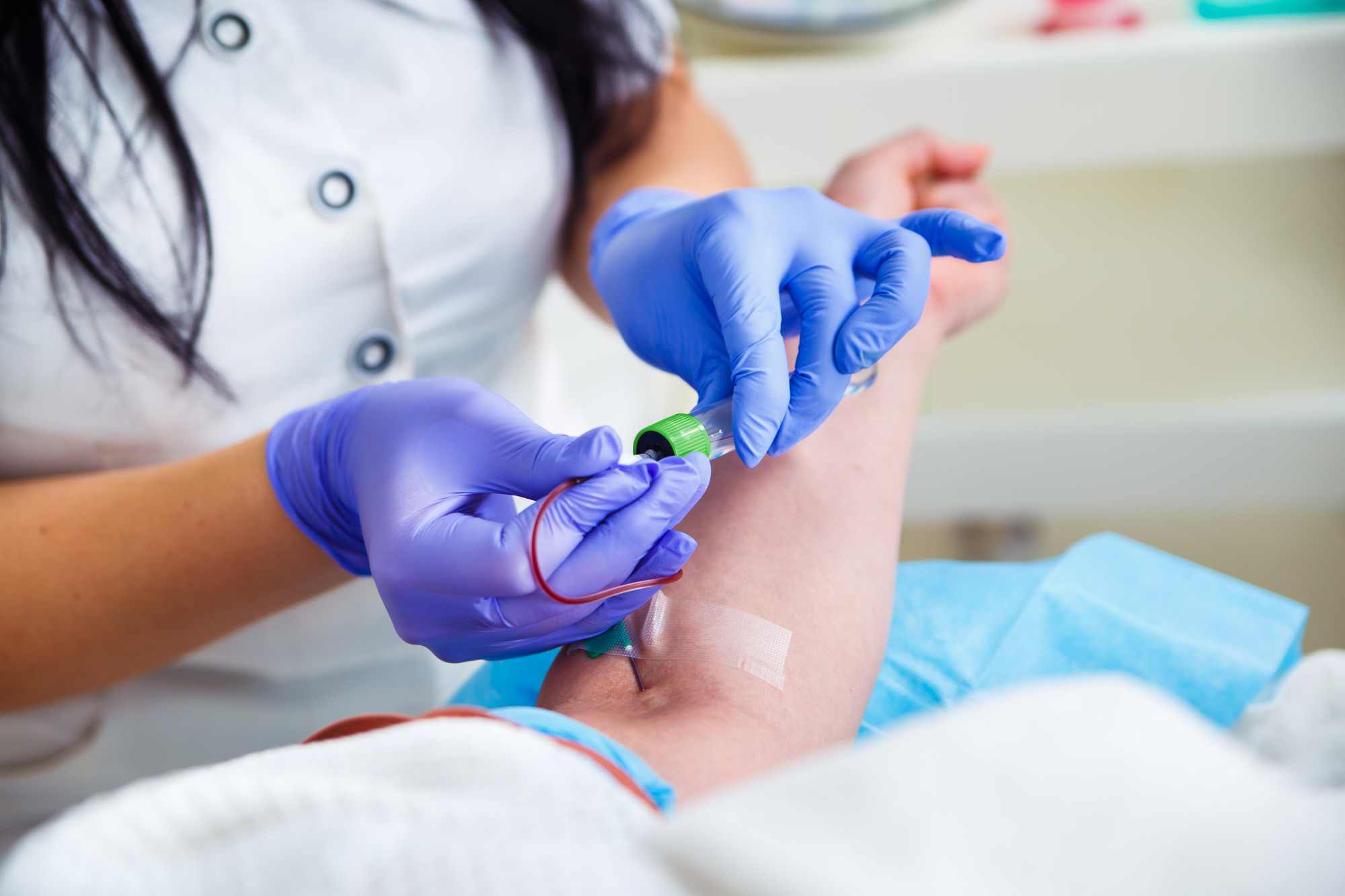
Are you thinking of becoming a phlebotomy technician in NJ? A phlebotomist is a healthcare professional who draws and prepares blood for medical testing, donations, or transfusions. They receive training to collect blood via venipuncture, finger pricks, or pricks to the heel (for infants). You can typically find them in clinics, hospitals, outpatient care facilities, blood donation centers, and diagnostic laboratories.

When it comes to becoming a phlebotomy technician, one of the most common questions we get is if you need to be nationally certified. This article details the requirements of becoming a phlebotomy technician in New Jersey, how much you can expect to earn, and whether a national phlebotomy certification is important.

What Are the Phlebotomy Requirements For New Jersey?

You don’t need to be certified to work as a phlebotomy technician in NJ. However, there are numerous benefits of receiving a certificate. We will discuss this in a later section. In the meanwhile, let’s review some of the mandatory requirements you need to meet to work as a phlebotomist in the state:

  • Age: You need to be at least 18 years old to qualify for a phlebotomy training course.
  • Education: The state of New Jersey requires prospective phlebotomists to hold a high school diploma or a GED to qualify for a training course. If you are not 18 yet but have these qualifications, you can enroll in a course. However, you will have to wait until you meet the age requirements before you can start finding work in the field.
  • Training: There are various phlebotomy schools that offer diplomas and degrees in this field. You can also avail of an externship in a clinic, research laboratory, or hospital to gain some hands-on experience. Most diploma programs last 4 to 6 weeks.

What Is the Pay rate for Phlebotomy technicians in NJ?

One estimate suggests that the average salary of a phlebotomy technician in New Jersey is approximately $37,000 a year. You can usually earn $17.38 per hour at this job. It’s important to note that your pay rate will also depend on your experience and your place of employment.

Why Is National Certification Important for Phlebotomists?

As mentioned at the onset, it is not necessary for a phlebotomist to obtain national certification in New Jersey. However, getting a phlebotomy certification online can do wonders for your career as a phlebotomy technician in NJ. It can enhance your employability and make it easier for you to get a job. This is because it demonstrates your dedication to your profession.

Moreover, a certified phlebotomy technician has a more enhanced skill set and can perform their duties and responsibilities in a better way. Your employer will have the confidence that you possess the qualifications and experience required to do your job effectively and responsibly. You can qualify for higher wages and improve your chances of working at a senior position.

Become Nationally Certified as a Phlebotomy Technician with NAPTP

The NAPTP (National Association of Phlebotomy Technician Professionals) is the longest-standing authority enabling phlebotomy technicians to become nationally certified in New Jersey and beyond. You can get your phlebotomy certification online and join our network of healthcare partners. What’s more, NAPTP also helps you carve out a lucrative career in phlebotomy and quickly move up the ladder to get higher-paying jobs to achieve professional growth. Our phlebotomists work in prestigious healthcare institutions all across the United States.  Our certification is recognized by ICE, NCCT, AMCA, and NHA, allowing you to work at some of the leading healthcare organizations in the United States.


Get in touch with NAPTP today and find out how you can learn phlebotomy and get certified as a phlebotomy technician in NJ.
Categories
Medical Assistants

4 Benefits of Phlebotomy Certification for Medical Assistants

medical assistants

Are you a medical assistant looking to grow your career?

Medical assistants may not get the attention of doctors and nurses, but they’re among the most essential workers in healthcare, performing any number of small tasks that make it possible for doctors and nurses to do their jobs. One such task is blood draws–a task that’s performed all the time in doctors’ offices but actually requires skill and certification.

The good news? You can get the skills you need (and the career growth you want) with a phlebotomy certification. Here’s a closer look at what a phlebotomy technician does and why it’s worth pursuing a certification.

What Does a Phlebotomy Technician Do?

Phlebotomy, sometimes called venipuncture, is an important tool to diagnose a variety of medical conditions. It’s also a commonplace procedure–phlebotomy is simply puncturing a vein, usually in the patient’s arm, to draw blood. This may be performed for blood tests in a medical laboratory, but it can also be used as a treatment for certain medical conditions like sickle cell disease or hemochromatosis.

A phlebotomy technician, or phlebotomist, is someone certified to perform phlebotomy. On any given day, a phlebotomist may:

  • Prepare patients for blood draws
  • Guide nervous patients through blood draws
  • Conduct blood draws or transfusions
  • Assist patients experiencing adverse reactions
  • Identify, label, and track blood samples
  • Gather, inventory, and maintain blood draw supplies

Essentially, you’re responsible for all elements of blood drawing or transfusion–and caring for patients through the process.

Benefits of a Phlebotomy Certification for Medical Assistants

A variety of medical professionals can benefit from a phlebotomy certification, from RNs and LPNs to EMTs. For medical assistants, a phlebotomy certification has even more benefits, ranging from increased marketability and earning potential to more opportunities for patient care.

Increased Salary and Potential for Advancement in a Fast-Growing Field

Phlebotomy is considered a vocational skill requiring specialized training. For medical assistants, it’s a simple but indispensable skill that opens a lot of doors.

Because phlebotomy is needed in most healthcare settings, from private practices to hospitals to laboratories, a phlebotomy certification allows you to work as a specialized worker in a huge array of healthcare settings.

Plus, your skills are in high demand. Medical assistants already work in a field with a 19% growth rate. Phlebotomists have 17% career field growth (much higher than average across all fields) but they also earn more money than medical assistants.

It’s Easy for a Medical Assistant to Become a Phlebotomy Technician

While phlebotomy is a specialized skill set, it’s relatively easy for a medical assistant to gain a phlebotomy certification, especially in comparison to pursuing a nursing license. On average, phlebotomy vocational training only takes a few short months.

After that, you take an exam. At the National Association of Phlebotomy Technician Professionals (NAPTP), the gold standard for phlebotomy certifications, our exam consists of 100 questions covering everything from clinical competency to order of draw to HIPAA and OSHA regulations.

Making Patients Feel Comfortable

Above all, your job as a phlebotomy technician is about patient care. If you’re a medical assistant that wants to be more involved in direct medical care, a phlebotomy certification gives you the opportunity for more medically involved procedures–and the chance to work with patients during those procedures.

Colleagues with a Passion for Patient Care

Last but not least, a phlebotomy certification gives you the chance to work with colleagues who share your passion for patient care.

Because you interact directly with patients, and because many people are nervous about blood draws, patient care is half of the job. Your certification lets you work with colleagues who share your passion for patient care while also being more involved in the actual process of medical care.

Getting Your Phlebotomy Certification

For medical assistants who want to grow their careers while caring for patients, a phlebotomy certification is one of the best investments you can make.

NAPTP is the gold standard in phlebotomy certifications. We were established in 1998 to help set national guidelines for patient safety in blood draws and blood testing, and we’ve helped thousands of phlebotomists gain the tools they need to excel in their careers. If you’re ready to make an investment in your career, click here to register for your exam and review course.