Categories
Blogs Phlebotomy Certification

HOW TO BECOME A CERTIFIED PHLEBOTOMIST: A STEP-BY-STEP GUIDE

Estimated reading time: 10 minutes

If you’re interested in starting or advancing a career in healthcare, phlebotomy can offer an opportunity to work directly with patients while developing valuable clinical skills.

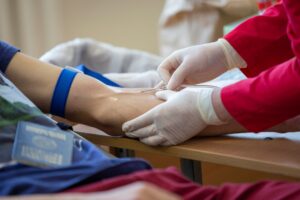
Phlebotomists are responsible for collecting blood specimens used for laboratory testing, transfusions, research and blood donations. They may work in hospitals, diagnostic laboratories, physicians’ offices, blood donation centers and other healthcare settings.

But one of the most common questions aspiring professionals ask is:

Table of contents

How do I become a certified phlebotomist?

The pathway can vary depending on your education, clinical experience, employer requirements and state regulations. However, most aspiring phlebotomy professionals follow a similar progression:

Education → Training → Hands-On Experience → Certification Preparation → National Certification → Career Development

This guide explains each step and how you can prepare for a career as a certified phlebotomy professional.


Quick Answer: How Do You Become a Certified Phlebotomist?

To become a certified phlebotomist, you generally need to:

  • Complete the required education or training.
  • Develop hands-on blood collection experience.
  • Meet the eligibility requirements of your chosen certification organization.
  • Study for the certification examination.
  • Pass the required certification exam.
  • Maintain your certification according to renewal requirements.

The exact requirements can vary based on the certification pathway and your location.

For example, NAPTP provides national certification pathways for eligible phlebotomy professionals and recent graduates who meet its experience requirements.


Step 1: Understand What a Phlebotomist Does

Before pursuing training or certification, it’s important to understand the role.

A phlebotomist is a healthcare professional trained to collect blood specimens safely and accurately.

However, the job involves much more than simply drawing blood.

A phlebotomy professional may be responsible for:

  • Verifying patient identity
  • Explaining procedures to patients
  • Preparing patients for blood collection
  • Performing venipunctures
  • Performing capillary collections when appropriate
  • Collecting and handling specimens
  • Following infection prevention procedures
  • Maintaining patient confidentiality
  • Following workplace safety requirements
  • Labeling and preparing specimens correctly
  • Communicating professionally with patients and healthcare teams

Successful phlebotomy requires a combination of technical knowledge, clinical skill, communication and attention to detail.

NAPTP’s Scope of Practice also emphasizes patient identification, consent, infection control, confidentiality, specimen handling and professional accountability.


Step 2: Complete Phlebotomy Education or Training

Most aspiring phlebotomists begin by completing a phlebotomy education or training program.

According to the U.S. Bureau of Labor Statistics, phlebotomists typically enter the occupation with a postsecondary nondegree award, although some professionals may qualify through other education or on-the-job training pathways. Employers may also prefer candidates who have earned professional certification.

A training program may cover topics such as:

  • Anatomy and physiology
  • Medical terminology
  • Venipuncture techniques
  • Capillary collection
  • Order of draw
  • Specimen handling
  • Infection prevention
  • Patient communication
  • OSHA requirements
  • HIPAA and patient privacy
  • Professional ethics

What should you look for in a phlebotomy training program?

When researching a program, consider:

  • Whether the program includes hands-on training
  • The number of clinical procedures required
  • Whether the curriculum covers current safety standards
  • Whether the program prepares students for certification
  • The qualifications of instructors
  • Whether the program meets applicable state or employer requirements

Your education should provide a foundation. Hands-on experience is what helps you apply that knowledge in a clinical setting.


Step 3: Gain Hands-On Blood Collection Experience

Phlebotomy is a clinical profession. That means practical experience matters.

Before applying for certification, candidates may need to demonstrate documented experience performing blood collections.

NAPTP’s current certification requirements provide two primary pathways for eligibility:

Pathway One: Experienced Candidates

Candidates may qualify with:

At least 60 live blood draws completed within the past two years.

Pathway Two: Recent Phlebotomy Graduates

Recent graduates of an accredited phlebotomy program may qualify with:

At least 30 documented blood draws completed within the required graduation timeframe.

Candidates should always review the current requirements directly before registering because eligibility requirements and certification policies may be updated.

Why is hands-on experience important?

Clinical experience helps professionals develop confidence in areas such as:

  • Patient interaction
  • Vein selection
  • Procedure preparation
  • Safe collection techniques
  • Managing difficult situations
  • Specimen handling
  • Following workplace procedures

Hands-on experience also reinforces the difference between knowing a procedure and being able to perform it responsibly in a real healthcare environment.


Step 4: Learn the Safety and Professional Standards

Patient safety should always be at the center of phlebotomy practice.

Healthcare professionals who work with blood may face occupational exposure risks. OSHA’s Bloodborne Pathogens Standard includes requirements designed to protect workers with anticipated exposure to blood and other potentially infectious materials.

Important areas of professional knowledge include:

Infection Prevention

Phlebotomy professionals must understand appropriate infection prevention procedures and workplace protocols.

This includes practices related to:

  • Hand hygiene
  • Personal protective equipment
  • Safe work practices
  • Contaminated materials
  • Exposure prevention

Bloodborne Pathogen Safety

Healthcare professionals should understand the risks associated with occupational exposure and the importance of following established safety procedures.

Patient Identification

Accurate patient identification is critical before specimen collection.

NAPTP identifies verification of the five rights of patient identification as part of its professional practice expectations.

Patient Privacy

Healthcare professionals must understand and follow applicable patient confidentiality requirements.

Professional Ethics

Phlebotomy professionals are expected to act responsibly, communicate appropriately and remain within their professional scope of practice.


Step 5: Choose the Right Phlebotomy Certification Pathway

Once you have completed your education and gained the required experience, the next step is choosing a certification pathway.

Before registering for any certification exam, ask yourself:

Do I meet the eligibility requirements?

Review:

  • Required blood draws
  • Education requirements
  • Graduation timelines
  • Documentation requirements
  • Professional experience requirements

What does the exam cover?

A strong certification exam should evaluate knowledge relevant to real-world practice.

The NAPTP Phlebotomy Technician Exam covers areas including:

  • Blood draw techniques
  • Clinical competency
  • Safety standards
  • OSHA requirements
  • HIPAA and professional responsibilities

NAPTP describes its exam as a 200-question, timed national examination (3.5 hours, 75% to pass) designed to evaluate knowledge and professional competency.

What preparation resources are available?

Look for:

  • Study guides
  • Review courses
  • Practice exams
  • Educational modules
  • Exam preparation materials

NAPTP offers several preparation pathways, including a self-paced online review course, study resources and exam registration options.


Step 6: Prepare for the Phlebotomy Certification Exam

Preparing for certification should involve more than memorizing answers.

Focus on understanding the concepts behind safe phlebotomy practice.

Create a Study Plan

Start by identifying:

  • Your exam date
  • Topics you need to review
  • Areas where you need additional practice
  • Available study materials

Break your preparation into manageable sections.

For example:

Week One

Review anatomy, terminology and basic collection procedures.

Week Two

Focus on venipuncture and capillary collection concepts.

Week Three

Review order of draw, specimen handling and collection errors.

Week Four

Study safety, OSHA, infection prevention and professional responsibilities.

Week Five

Review difficult topics and take practice questions.

Week Six

Complete a final review and focus on exam readiness.

Your actual preparation timeline may vary depending on your existing knowledge and experience.


Focus on Understanding, Not Just Memorization

Certification exams may test your ability to recognize:

  • Correct procedures
  • Safety risks
  • Collection errors
  • Professional responsibilities
  • Appropriate responses to clinical situations

When studying, ask yourself:

Why is this procedure performed this way?

What could happen if this step is missed?

How does this protect the patient?

How does this protect the healthcare professional?

Understanding the reasoning behind procedures can help you apply knowledge more effectively.


Step 7: Take Your National Phlebotomy Certification Exam

Once you meet the eligibility requirements and feel prepared, you can register for your exam.

NAPTP currently offers multiple options depending on your preparation needs.

These include:

NAPTP Phlebotomy Technician Exam

Designed for eligible candidates who are ready to take the certification exam.

Exam + Study Guide

For candidates who want additional preparation resources.

Phlebotomy Technician Review Course + National Exam

For professionals who want a structured, self-paced review pathway before taking the exam.

NAPTP’s current registration options and included resources are listed on its registration page.

View NAPTP Certification Options:
Explore NAPTP Certification Pathways


Step 8: Use Your Certification to Support Your Career Goals

Earning a professional credential can be an important milestone in your healthcare career.

Phlebotomists work in a variety of healthcare environments, including:

  • Hospitals
  • Medical and diagnostic laboratories
  • Blood donation centers
  • Physicians’ offices
  • Healthcare clinics

The U.S. Bureau of Labor Statistics projects continued demand for phlebotomists and notes that employers may prefer candidates with professional certification.

Your certification may help demonstrate your commitment to:

  • Professional development
  • Patient safety
  • Clinical knowledge
  • Ethical practice
  • Career advancement

However, certification requirements and employer expectations can vary by state and workplace.

Always review applicable state requirements and employer qualifications before pursuing a position.


Step 9: Continue Developing Your Skills

Certification should not be viewed as the end of your professional development.

Healthcare practices, workplace procedures and professional requirements can evolve.

Successful phlebotomy professionals continue to develop their knowledge in areas such as:

  • Patient communication
  • Safety practices
  • Specimen collection
  • Professional ethics
  • New workplace procedures
  • Clinical technology

NAPTP also requires certification renewal to help professionals maintain active credentials according to its current renewal requirements.


How Long Does It Take to Become a Certified Phlebotomist?

The timeline depends on several factors.

These may include:

  • Your current healthcare experience
  • Your education pathway
  • The length of your training program
  • Clinical experience requirements
  • The certification organization you choose
  • Your exam preparation timeline

Some candidates begin certification after completing a phlebotomy program, while others pursue certification after gaining experience in the field.

The best approach is to focus on meeting the requirements of your chosen certification organization and ensuring you are adequately prepared.


Do You Need Certification to Work as a Phlebotomist?

Requirements vary by state and employer.

Some employers may require professional certification, while others may prefer candidates who hold a recognized credential.

The U.S. Bureau of Labor Statistics notes that employers may prefer to hire candidates who have earned professional certification.

Before beginning your career journey, research:

  1. Your state’s requirements
  2. Local employer expectations
  3. Training requirements
  4. Certification eligibility requirements

What Skills Do You Need to Become a Successful Phlebotomist?

Successful phlebotomists need both technical and interpersonal skills.

Technical Skills

These may include:

  • Blood collection procedures
  • Specimen handling
  • Infection prevention
  • Safety procedures
  • Medical terminology
  • Documentation

Communication Skills

Phlebotomists often work directly with patients who may be nervous or uncomfortable.

Strong professionals should be able to:

  • Explain procedures clearly
  • Communicate professionally
  • Help patients feel comfortable
  • Listen carefully
  • Work effectively with healthcare teams

Attention to Detail

Accuracy matters in:

  • Patient identification
  • Specimen labeling
  • Documentation
  • Following procedures

Professionalism

Phlebotomy professionals should understand their scope of practice and follow professional and ethical standards.


Why Choose NAPTP for Your Phlebotomy Certification Journey?

The National Association of Phlebotomy Technician Professionals was founded in 2010 with a mission to promote patient safety, clinical accuracy and professional integrity in phlebotomy practice.

NAPTP offers certification and professional development pathways designed for phlebotomy professionals at different stages of their careers.

NAPTP offers:

  • National Phlebotomy Technician Certification pathways
  • Certification exam options
  • Online review courses
  • Study resources
  • Practice preparation
  • Certification renewal
  • Instructor certification opportunities

NAPTP’s approach combines certification with a focus on professional ethics, scope of practice, patient safety and clinical competency.


Your Path to Phlebotomy Certification Starts With the Right Preparation

Becoming a certified phlebotomist is a process of building knowledge, gaining experience and demonstrating professional competency.

The journey typically includes:

1. Learn

Build your foundation through education and training.

2. Practice

Gain hands-on blood collection experience.

3. Prepare

Review the clinical, safety and professional topics required for certification.

4. Certify

Complete the certification process and examination.

5. Grow

Continue developing your skills and maintaining your professional credentials.

Phlebotomy is an important part of modern healthcare. Every blood collection procedure requires knowledge, technical skill, attention to detail and a commitment to patient safety.

If you’re ready to take the next step in your professional journey, explore the certification options available through the National Association of Phlebotomy Technician Professionals.

Ready to Explore Your Certification Path?

Whether you’re preparing for your first certification exam, refreshing your knowledge or continuing your professional development, NAPTP offers pathways designed to support eligible phlebotomy professionals.

Register or Explore NAPTP Options

How do I become a certified phlebotomist?

Most candidates complete phlebotomy education or training, gain hands-on experience, meet certification eligibility requirements, prepare for an exam and successfully complete the certification process.

How many blood draws do I need for phlebotomy certification?

The required number depends on the certification organization and pathway. NAPTP’s current eligibility pathways include requirements for documented live blood draws or recent accredited program completion. Always review current eligibility requirements before registering.

Can I take a phlebotomy certification exam online?

NAPTP currently offers a fully online proctored Phlebotomy Technician Exam for eligible candidates. The exam requirements should be reviewed before registration.

How long does phlebotomy certification take?

The timeline varies depending on your training, hands-on experience, exam preparation and chosen certification pathway.

Do employers prefer certified phlebotomists?

Employer requirements vary, but the U.S. Bureau of Labor Statistics notes that employers may prefer candidates who have earned professional certification.

Can I prepare for my certification exam online?

Yes. NAPTP currently offers a self-paced online review course that includes educational modules, study materials and preparation resources.
Categories
Blogs Phlebotomy Certification

Phlebotomy Best Practices for Geriatric Patients

Estimated reading time: 12 minutes

Drawing blood from older adults requires more than technical skill. It requires an understanding of age-related changes, careful attention to medications and bleeding risk, communication that accounts for sensory and cognitive needs, and a commitment to preserving every patient’s dignity.

For phlebotomists, geriatric blood collection can present unique challenges. Veins may be fragile or difficult to access, skin may tear more easily, and factors such as hydration, temperature, medications, and underlying health conditions can affect the blood-drawing experience.

This guide outlines practical, patient-centered phlebotomy best practices for geriatric patients, including vascular assessment, medication awareness, communication, specimen quality, comfort, documentation, and professional responsibility.

Important: Phlebotomists should always follow their facility’s policies, applicable professional requirements, and authorized scope of practice when collecting specimens from older adults.

Phlebotomy Best Practices for Geriatric Patients | NAPTP

Table of contents

Quick Answer: What Are the Best Practices for Geriatric Phlebotomy?

The best practices for drawing blood from geriatric patients focus on gentle technique, careful assessment, patient communication, specimen integrity, and preservation of dignity.

Key considerations include:

  • Assess the patient’s veins and skin before venipuncture.
  • Look for fragile veins, edema, hematomas, and surgical scarring.
  • Use appropriate vein-enhancing techniques.
  • Avoid prolonged or aggressive tourniquet application.
  • Consider appropriate supplies for fragile veins.
  • Review medications and identify potential bleeding risks.
  • Allow additional time for communication and questions.
  • Account for hearing, vision, and cognitive changes.
  • Minimize unnecessary venipuncture attempts.
  • Follow the correct order of draw and specimen-handling procedures.
  • Maintain patient privacy and comfort.
  • Apply pressure after the draw and monitor for bleeding or bruising.
  • Document the collection and communicate relevant concerns.

For older adults, safe phlebotomy is not simply about obtaining a specimen. It is about obtaining that specimen while protecting patient safety, comfort, dignity, and specimen quality.

Why Is Geriatric Phlebotomy Different?

Older adults can experience physiological changes that make blood collection more challenging.

Age-related changes may affect:

  • Vein structure
  • Skin integrity
  • Subcutaneous tissue
  • Hydration
  • Temperature regulation
  • Sensory function
  • Cognitive function

Veins may be thin, sclerosed, tortuous, or easily collapsible, while skin may become fragile and more susceptible to tearing.

The reduction in subcutaneous tissue can also provide less cushioning around veins.

These changes mean that a technique that works well for one patient may need to be adapted for another.

For the phlebotomist, the first step is therefore not immediately reaching for the needle.

It is assessing the patient and planning the collection carefully.

Understanding Aging Skin and Vascular Changes

One of the most important considerations in geriatric phlebotomy is understanding the condition of the patient’s skin and veins.

Fragile Veins

Older adults may have veins that are:

  • Thin
  • Sclerosed
  • Tortuous
  • Easily collapsible

These characteristics can make venipuncture more difficult and may increase the importance of careful site selection and technique.

Fragile Skin

Older skin may be more prone to tearing.

Because of this, phlebotomists should take care when:

  • Applying a tourniquet
  • Positioning the patient’s arm
  • Stabilizing the vein
  • Removing adhesive materials
  • Applying pressure after the draw

The goal is to obtain the specimen while minimizing unnecessary trauma.

Reduced Subcutaneous Tissue

As subcutaneous tissue thins, there may be less cushioning around veins.

This is another reason why geriatric blood collection requires a careful and deliberate approach.

Step 1: Assess Before You Perform Venipuncture

Before beginning the collection, take time to inspect the available sites.

Look at both arms.

Assess for:

  • Usable veins
  • Skin integrity
  • Edema
  • Hematomas
  • Surgical scars

Do not automatically choose the first visible vein.

A brief assessment can help you select the most appropriate approach and potentially reduce unnecessary attempts.

Ask yourself:

Is the skin intact?

Is the vein appropriate for the planned collection?

Is there edema or a hematoma?

Is there surgical scarring that should be considered?

Would another site provide a safer approach?

Careful preparation can make the procedure more controlled and patient-centered.

Step 2: Use Gentle Vein-Enhancing Techniques

Several techniques may help make veins more visible or prominent.

These can include:

  • Gentle warming
  • Lowering the arm using gravity
  • Light tapping

The technique should be adapted to the patient’s condition.

Avoid excessive tourniquet application.

Prolonged or aggressive tourniquet application can contribute to problems with fragile or collapsible veins.

The objective is to improve access without creating unnecessary pressure or trauma.

Step 3: Choose Appropriate Supplies

Supply selection can matter when working with fragile veins.

Nancy’s original guidance identifies smaller-gauge needles, such as 23–25G butterfly needles, as an example that may help reduce trauma and hemolysis.

Pediatric-sized tubes may also be appropriate in some circumstances.

The choice of equipment should always be consistent with the collection requirements, facility protocol, and the patient’s circumstances.

Medication Awareness in Geriatric Phlebotomy

Medication review is another important consideration.

Polypharmacy is common among geriatric patients, meaning that older adults may take multiple medications.

Certain medications and supplements can affect bleeding or bruising risk.

These include:

  • Anticoagulants
  • Antiplatelet agents
  • Corticosteroids
  • Certain herbal supplements

Other medications may affect blood sugar or perfusion.

For this reason, medication awareness should be incorporated into the blood-collection process.

How Can Medications Affect a Blood Draw?

Medication considerations can influence how the phlebotomist approaches the collection and what needs to be monitored afterward.

Anticoagulants and Bleeding Risk

If a patient is taking an anticoagulant or has a high bleeding risk, the phlebotomist should follow applicable facility protocols and consult the care team when appropriate.

Additional attention may be required after the blood draw.

Post-draw pressure may need to be maintained longer.

The patient’s site should be monitored for bleeding or bruising according to applicable procedures.

Medication Timing

Some blood tests require coordination with medication schedules.

For example, certain tests may involve:

  • Trough levels
  • Peak levels
  • Insulin dosing

Coordination may be necessary to ensure that specimen collection occurs at the appropriate time.

When medication timing affects collection, the phlebotomist should follow the applicable laboratory and facility instructions.

Communication With Older Adults

Technical skill is only one part of geriatric phlebotomy.

Communication can have a significant effect on the patient’s comfort and cooperation.

Older adults may experience:

  • Hearing loss
  • Visual impairment
  • Cognitive changes
  • Different cultural expectations

The phlebotomist should adapt communication accordingly.

Introduce Yourself and Explain the Procedure

Before beginning:

  • Introduce yourself.
  • Explain what you are going to do.
  • Use clear and simple language.
  • Give the patient time to ask questions.

Avoid rushing through the explanation.

A patient who understands what is happening may feel more comfortable participating in the procedure.

Account for Hearing and Visual Impairments

When speaking with an older adult who has hearing impairment:

  • Face the patient.
  • Speak clearly.
  • Speak at an appropriate pace.
  • Give them time to respond.

Written or visual cues may also be useful when appropriate.

The objective is not simply to speak louder.

It is to communicate clearly and make sure the patient can participate in the interaction.

How Should Caregivers Be Involved?

Family members, caregivers, or nursing staff may sometimes provide useful information or reassurance.

However, their involvement should not replace communication with the patient.

When appropriate:

  • Involve caregivers for comfort or relevant history.
  • Confirm the patient’s preferences.
  • Consider the patient’s ability to provide consent.
  • Maintain appropriate privacy and confidentiality.

The patient’s dignity and preferences should remain central to the interaction.

Communicating With Patients With Cognitive Impairment

Patients with dementia or other cognitive changes may require additional communication strategies.

Helpful approaches described in Nancy’s original guidance include:

  • Using calming techniques
  • Involving familiar caregivers when appropriate
  • Using distraction
  • Avoiding force
  • Avoiding surprise movements

Patience is particularly important.

The goal is to create a predictable and respectful interaction rather than rushing the procedure.

For additional communication strategies involving older adults and people with dementia, healthcare professionals can consult resources such as the Cleveland Clinic.

External resource: Cleveland Clinic

Technique and Specimen Quality

Geriatric phlebotomy requires attention to both the patient’s experience and the quality of the specimen.

A technically successful blood draw is not enough if the specimen is compromised.

The phlebotomist should therefore focus on:

  • Minimizing unnecessary attempts
  • Using appropriate collection technique
  • Avoiding excessive suction
  • Avoiding prolonged tourniquet use
  • Following the correct order of draw
  • Mixing tubes appropriately
  • Protecting specimen integrity

Minimize Venipuncture Attempts

One of the most important principles when collecting blood from older adults is to plan the procedure before beginning.

Repeated attempts can create additional discomfort and trauma.

Before performing the collection:

  1. Assess the available veins.
  2. Consider skin integrity.
  3. Select an appropriate site.
  4. Prepare the necessary equipment.
  5. Ask for assistance when needed.

If an alternative collection method is appropriate, the phlebotomist should follow facility protocol and their authorized scope of practice.

The original guidance identifies alternatives such as:

  • Capillary collection
  • Arterial nurses
  • PICC lines when appropriate

These alternatives should only be considered within the applicable professional responsibilities and facility procedures.

Avoid Excessive Suction and Prolonged Tourniquet Use

Fragile or collapsible veins require careful technique.

Excessive suction can contribute to vein collapse and hemolysis.

Similarly, prolonged tourniquet application may affect fragile veins.

A gentle, controlled approach helps protect both the patient and specimen quality.

Follow the Correct Order of Draw

Specimen collection requires attention to the appropriate order of draw.

Following established collection procedures helps protect specimen integrity and reduce pre-analytical errors.

Tubes should also be mixed gently and handled according to applicable laboratory standards.

For standardized specimen collection guidance, professionals can consult the Clinical and Laboratory Standards Institute (CLSI).

External resource: Clinical and Laboratory Standards Institute

Preserving Dignity and Comfort During Phlebotomy

For geriatric patients, patient-centered care includes much more than the technical procedure.

Small actions can make the experience more respectful and comfortable.

Protect Privacy and Modesty

Limit unnecessary exposure and keep non-drawn areas covered.

Privacy should be maintained throughout the encounter.

Keep the Patient Warm

Cold extremities can reduce vein visibility and increase discomfort.

Where appropriate, offer warmth and ensure the patient is positioned comfortably.

Explain Each Step

Continue communicating throughout the procedure.

Let the patient know what is happening and allow time for questions.

Consent should be obtained according to applicable requirements, and patients should be given an opportunity to decline or ask questions.

What Should You Do After the Blood Draw?

Post-draw care is particularly important when working with patients who may have increased bleeding or bruising risk.

After collection:

  • Apply appropriate pressure.
  • Maintain pressure longer when needed.
  • Monitor for bleeding.
  • Monitor for bruising.
  • Document relevant events.

Patients taking blood thinners or those with increased bleeding risk may require additional attention after the draw.

Always follow facility procedures.

Documentation and Communication

Accurate documentation supports continuity of care and professional accountability.

Depending on applicable requirements, documentation may include:

  • Collection site
  • Technique used
  • Any complications
  • Any deviation from the standard procedure
  • Bleeding or bruising events

If there are concerns regarding specimen collection, these should be communicated to the appropriate laboratory or care team.

Communication is especially important when:

  • The collection was difficult.
  • A complication occurred.
  • There was a concern about specimen quality.
  • The procedure differed from the standard approach.
  • An abnormal finding requires escalation.

Professional Responsibility in Geriatric Phlebotomy

Geriatric phlebotomy requires professionals to combine technical competence with judgment and ethical responsibility.

The NAPTP Code of Ethics and Scope of Practice provide guidance regarding professional responsibilities.

These principles include:

  • Respect for patients
  • Patient safety
  • Maintaining competence
  • Confidentiality
  • Beneficence
  • Practicing within the appropriate scope

Know your limits.

If a procedure or situation falls outside your authorized responsibilities, seek assistance from the appropriate healthcare professional.

Learn more: NAPTP Scope of Practice

Learn more: NAPTP Code of Ethics

Why Continuing Education Matters

Working with older adults can require specialized awareness of physiological, communication, and patient-care considerations.

Continuing education can help phlebotomists refine their knowledge and maintain professional competency.

Relevant areas of ongoing learning may include:

  • Geriatric patient care
  • Specimen collection
  • Infection control
  • Patient communication
  • Blood collection techniques
  • Professional ethics
  • Special patient populations

NAPTP offers educational and professional development resources, including its Phlebotomy Technician Course and Phlebotomy Instructor Certification.

For professionals preparing to validate their knowledge, NAPTP also provides a National Phlebotomy Certification Exam pathway.

How to Make Geriatric Phlebotomy Safer and More Patient-Centered

A useful way to approach geriatric blood collection is to think through the procedure in five stages:

1. Assess

Look at the patient’s skin, veins, arms, and overall collection circumstances.

2. Prepare

Select appropriate equipment and plan the procedure before beginning.

3. Communicate

Explain the procedure and adapt communication to the patient’s sensory and cognitive needs.

4. Collect

Use gentle, precise technique while following established collection standards.

5. Monitor

Apply appropriate post-draw pressure, observe for bleeding or bruising, document relevant findings, and communicate concerns.

This approach keeps both patient experience and specimen quality at the center of the procedure.

Final Thoughts: Geriatric Phlebotomy Requires Skill, Patience, and Respect

High-quality phlebotomy for geriatric patients requires more than successfully collecting a blood specimen.

It requires the phlebotomist to recognize age-related vascular and skin changes, consider medication and bleeding risks, communicate appropriately, protect specimen quality, and preserve the patient’s comfort and dignity.

The most important principles are simple:

Assess carefully.

Use gentle technique.

Communicate clearly.

Protect specimen integrity.

Respect patient dignity.

Know your professional responsibilities.

Continue learning.

By combining technical skill with patient-centered care and professional judgment, phlebotomists can help create a safer and more respectful blood-collection experience for older adults.

For more information about NAPTP’s educational programs, professional standards, and national certification pathway, visit the NAPTP website.

Frequently Asked Questions About Phlebotomy in Geriatric Patients

Why can blood draws be more difficult in older adults?

Age-related changes can make veins thinner, sclerosed, tortuous, or more easily collapsible. Skin may also become fragile, while reduced subcutaneous tissue provides less cushioning around veins.

What should a phlebotomist check before drawing blood from an older adult?

The phlebotomist should assess both arms for usable veins, skin integrity, edema, hematomas, and surgical scarring before selecting a collection site.

Nancy’s guidance identifies smaller-gauge needles, such as 23–25G butterfly needles, as an example that may reduce trauma and hemolysis. Equipment selection should follow applicable facility and collection protocols.

Why should tourniquet use be limited with geriatric patients?

Fragile or collapsible veins may be affected by prolonged or aggressive tourniquet application. The original guidance recommends avoiding prolonged or aggressive application.

What medications should phlebotomists be aware of when drawing blood from older adults?

Polypharmacy is common in geriatric patients. Anticoagulants, antiplatelet agents, corticosteroids, and certain herbal supplements may increase bleeding or bruising risk. Medication timing may also matter for certain tests.

How should phlebotomists communicate with older adults?

Phlebotomists should introduce themselves, explain the procedure using clear language, allow time for questions, and adapt communication for hearing, visual, cognitive, or cultural considerations.

How should phlebotomists work with patients who have dementia?

Calming techniques, familiar caregivers, and distraction may be useful. The original guidance specifically recommends avoiding force and surprise movements.

How can a phlebotomist reduce the number of blood-draw attempts?

Careful assessment and planning before venipuncture can help. The phlebotomist should assess the veins and skin, select an appropriate site, prepare equipment, and request assistance when necessary.

Why is specimen handling important in geriatric phlebotomy?

Proper specimen handling protects specimen integrity and helps reduce pre-analytical errors. Phlebotomists should follow the appropriate order of draw, use correct containers, and gently mix tubes according to established laboratory standards.

Should post-draw pressure be applied longer for older adults?

Additional pressure and monitoring may be needed when appropriate, particularly for patients taking blood thinners or those with increased bleeding risk. The phlebotomist should follow facility protocols.

What should be documented after a difficult geriatric blood draw?

Documentation may include the collection site, technique, complications, changes from standard procedure, and relevant bleeding or bruising events.


Categories
Uncategorized

Telemetry Certification: Frequently Asked Questions

phlebotomy-and-telemetry-certification

If you intend to pursue telemetry certification, or you have an interest in the field that you might pursue someday, there may be certain aspects of the process that you want more information about. That’s why today we’ll take a look at some of the questions surrounding telemetry certification that are common amongst candidates; hopefully it’ll shed new light on the matter.

What is telemetry?
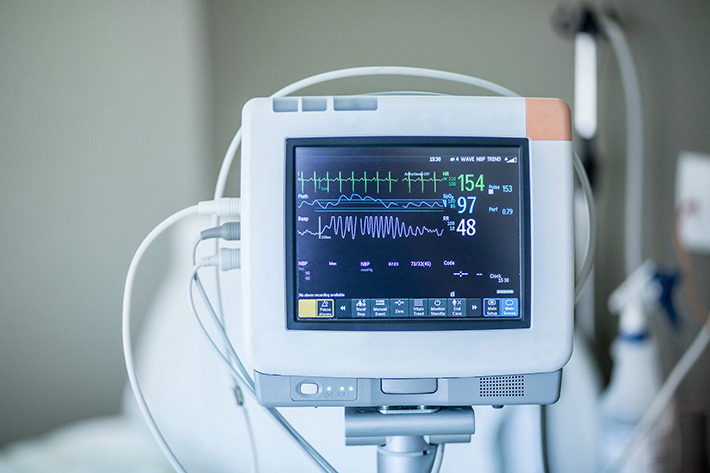
Telemetry, in broad terms, is the science of electronically monitoring a patient’s vital signs. This is most commonly done via a telemetric monitor which displays a patient’s heart rate and rhythm.

How long does it take to complete a telemetry certification course?
The lengths of training programs and courses can vary significantly depending on the organizations offering them, as well as what the program prepares you for. If you go with one of the convenient online courses available, and physical training courses that supplement your online learning, you can be fully certified within 1 – 5 months, depending on your prior medical experience. As an example, the certification course offered by the National Telemetry Association is self-paced, must be completed within 6 months, and is intended for applicants with no prior knowledge.

Are certification courses/tests difficult?
While there are many elements of a telemetry technician’s job that aren’t as cut and dry as just reading and noting down numbers, the difficulty of your course depends entirely on the testing body that will administer your final exam and eventually grant your certification. As a general rule, most accreditation tests will allow multiple attempts within a certain period, so you shouldn’t be too worried about difficulty. As an example, the NTA online course final exam requires candidates to score at least 85 percent in order to receive their certification.

What profession does a telemetry certification prepare me for, and what does the job entail?
A certification qualifies you to work as a telemetry or monitor technician. It is a telemetry technician’s job to monitor the electrical signals that represent a patient’s heart activity, and identify rhythms as well as the signs of cardiovascular issues. As a technician, you also become well acquainted with the essential equipment (the monitor and electrodes), and you are expected to be able to troubleshoot issues with both to a reasonable degree. While most of your expertise will come with hands on experience, The basic process you’re engaged in involves the following:

  • Identifying where to attach electrodes in order to effectively monitor a patient’s heart activity.
  • Attaching the electrodes.
  • Interpreting readings on the monitor.
  • Identify potential health risks, such as cardiac arrhythmia.

A telemetry technician’s duties may involve monitoring critically ill patients who are in or have recently been discharged from the ICU. For patients such as these, and others, a technician’s ability to identify issues through what they see on their monitor may be critical to saving their lives.

We hope that answers some of the questions you may have had regarding telemetry certification. If you have a specific question that wasn’t covered in this article, please feel free to reach out to us here.

Get Your Certification

Gain expertise, knowledge and invaluable skillsets with courses in medical health such as telemetry at Phlebotomy Career Training. Certifications through the PCT provide ample verification that students meet and exceeded national standards. This is because our classes are small, our educators are experienced, and our commitment to patient safety is a top priority. Your career in medical health is supported by national organizations such as the NAPTP which offers a world of opportunity and secure careers to our graduating students.

Our courses include phlebotomy, cardio-phlebotomy, dialysis technician, medical assistant, patient care technician, medical billing and coding, pharmacy technician and so much more, including several tiers and various certifications within. If you are considering a medical health career, Phlebotomy Career Training is the place. Questions or want to learn more? Call and speak to a program specialist today!

Categories
Uncategorized

RN’s can use NAPTP’s Phlebotomy National Certification for 16 Continuing Education Hours (CEHs)

phlebotomy certification

Medical practitioners are required to continue their education after getting into their careers. Managing their professional workload and the educational requirements can prove quite the task, even for veterans in the field.

The National Association of Phlebotomy Technician Professionals is a nationally accredited body that provides different kinds of professional certifications that can help you along in your career or help qualify you to practice an unfamiliar discipline.

The requirements for taking the NAPTP phlebotomy exam include comprehensive job experience, an understanding of rules of procedure, HIPAA and OSHA regulations, and more of what a certified phlebotomist needs to know.

For registered nurses, the course offers an opportunity to learn about recent developments within the field of phlebotomy, helping them conduct blood draws and take samples effectively, efficiently, and without incident. It also provides them with an added notch on their belt in the form of a national certification, which can help distinguish them from other candidates in the running for a particular job listing. Since the entire course is online, students can pace themselves according to their own schedules, making it more accommodating for professionals with odd hours.

Beyond the benefits of the exam itself, the course is also a great chance for currently practicing nurses to earn plenty of continuing education credits. The NAPTP is allowed to grant up to 15.5 CEHs to any successful candidate through the National Telemetry Association (NTA), accredited by the Commission for Accreditation of Pre-hospital Continuing Education. To be considered a successful candidate, a student must obtain at least a 75% score on the online test, after which they will be mailed their certification within 7-10 business days, along with a patch to sew onto their lab coats.

If you’ve been on the lookout for other certification courses, the NAPTP has a few others on offer that you should check out. These include a Review Course and Exam that helps test takers who aren’t familiar with recent course material prepare for the actual certification test and an immunization course and exam that deals with aspects of vaccination procedures and protocols.

If you’d like to learn more about the courses and exams offered by the NAPTP, click here to send in a query through their contact page. You can also find additional information regarding courses, as well as recent developments in the field of phlebotomy, on their website if you’d like to know more.

Categories
Uncategorized

Certified Clinical Medical Assistant Training Now Available at Phlebotomy Career Training


Medical assistant jobs in the United States continue increasing after the widespread covid’19 that resulted in a boom in healthcare activities. As people prioritize their physical well-being and visit hospitals for blood tests and consultancy, the need for medical assistance and administration is reaching new heights.

So, if you’re a medical student and want to develop your career as a Certified Clinical Medical Assistant, Phlebotomy Career Training offers you a quick solution. Our Certified Clinical Medical Assistant Training is now launched. It will enable you to refine your resumes and land yourself jobs in reputable workplaces that pay sufficiently well.

Do you want to know more about PCT’s CCMA certification? Read along to discover all the essential information about becoming a certified Medical Assistant through Phlebotomy Career Training!

Job Responsibilities of a Certified Clinical Medical Assistant

Medical assistants are credible if they’re multi-taskers. Medical assistance is segmented into two parts- one where you cater to administrative tasks and the other where you focus on the medical aspects. As a clinical medical assistant, you’re in charge of several responsibilities, including:

  • Checking vitals, weight/height, and blood pressure of the patient
  • Directing patients to examination rooms
  • Getting patient history (asking for health concerns and symptoms)
  • Drawing blood for testing
  • Dressing bandages and removing stitches
  • Helping physicians with examination

Where Can a Certified Clinical Medical Assistant Work?

As a clinical medical assistant, you can land jobs in any medical practice, including doctor’s offices, hospitals, clinics, therapy centers, emergency care centers, research facilities, and rehabilitation centers. The top cities to work as an established and successful medical assistant in the United States are New York, Dallas, Los Angeles, Houston, Chicago, and Miami.

Certified Clinical Medical Assistant Training- Course Overview

The CCMA training can last for anywhere between 6 weeks to 6 months, depending upon your pace. You have six months to complete the course and appear for the National Exam. During this time, you can access the National study guide, practice exams, and online lectures at your convenience. You can also benefit from mentorship by contacting your instructors via email or phone calls.

When enrolling for the course, you must be of legal age (18 years or more) and have your high school diploma or GED. No previous, relevant medical experience is needed. Overall, the CCMA training is designed as a 996 credit hours course, of which you must spend 204 credit hours gaining internship experience. Some of the vital topics of the certification are:

  • Preparing for administrative tasks
  • Familiarizing with OSHA and HIPPA regulations
  • Taking vitals, performing phlebotomies, and pregnancy and drug testing
  • Therapeutic communication and patient care
  • Theoretical and hands-on learning to assist in minor surgeries and electrocardiograms

If you have previous medical experience, you can submit relevant documentation to receive an exemption from the internship requirements. In addition, upon clearing your national examination, you will receive your certification accredited by the NHA, AMCA, and NCCT.

How To Register At phlebotomycareertraining.com?

You can log in to Phlebotomy Career Training to register for the CCMA training. Feel free to click on our website for more information on our online courses. In case of questions and confusion, you can either submit your messages through our online contact form or email them at info@phlebotomycareertraining.com.

Talk to our representatives at 888-410-6416 during our working hours Monday to Friday (9 AM-5 PM) and Saturday (9 AM-2 PM) and enroll today for a brighter tomorrow.

Career Options in Medical Health

There are many choices for career paths in the health care industry. We’ve just explored becoming a medical assistant, however did you know that PCT offers several other certification courses to expand your skillset as well as your opportunities?

Our courses include phlebotomy, cardio-phlebotomy, dialysis technician, medical assistant, patient care technician, medical billing and coding, pharmacy technician and so much more, including several tiers and various certifications within.  If you are considering a medical health career, Phlebotomy Career Training is the place. Questions or want to learn more? Call and speak to a program specialist today!

Also, ask about how about the NAPTP can benefit your career, opportunities and skill!

Categories
Uncategorized

Learn How to Become a Phlebotomy Technician in Oklahoma

Phlebotomy is an excellent choice to establish your career and make a name for yourself. The covid reopening has caused a significant and favorable impact on the health industry. And so, as demand for venipuncture increases, the book in jobs in Phlebotomy expertise grows as well.

As a local in Oklahoma, becoming a phlebotomist offers high potential and  it’s not a complex procedure either. You can become a phlebotomist in Oklahoma after passing your National Exam and work at reputable hospitals, medical laboratories, and blood donation and diagnostic centers.

The Steps to Get Your Phlebotomy Certification

As you plan to collect blood samples of your patients and offer them utmost aftercare, here’s what you need to know beforehand. You must fulfill the general criteria for attending any Phlebotomy training organization for the starters.

You need to submit your immunization records and have a clean background and history with no felonies. You must also be a high-school graduate or done with your GED. In addition, you must be aged 18 years or above and agree to conduct a comprehensive blood test before registering for the National Exam.

You don’t need previous relevant experience to join Phlebotomy Training Certifications. After you enroll in your desired course at a third-party and affiliated Phlebotomy school like Phlebotomy Career Training, you can appear for your Exam. And upon clearing the Exam, you can receive your official certificate from working as a Certified Phlebotomy Technician in Oklahoma.

How To Sign Up with The Phlebotomy Career Training?

You can make your account at the official website of Phlebotomy Career Training and then register for any of the online Phlebotomy programs we offer. You can opt for the Phlebotomy with EKG Certificate, including 170 clock hours for Phlebotomy and an additional 60 hours for covering the Electrocardiogram certification.

If you wish to pursue Phlebotomy with cardio, you can also enroll for the Cardio-Phlebotomy Technician 7 Certifications. It opens several doors for your careers by enabling you to land jobs as experts in fields, including IV Technician, National Phlebotomy Technician, Telemetry Technician, and Cardio-Phlebotomy Technician. You’ll need to finish 30 successful blood draws and 10 live EKGs during the course.

Lastly, you can also register for the online Phlebotomy Technician Certification. The program covers numerous fundamental aspects of Phlebotomy, including collecting blood cultures, anatomy of vessels and skin, infant heel sticks, etc. Before sitting for your National Exam, you must complete 35 blood draws, and after passing their Exam, you can receive 16.5 CEU’s and National Certification.

Our Phlebotomy Technician Courses consist of unlimited access to study and exam guides and professional mentor guidance. You will have six months from your registration to help you prepare and appear for your Exam.

Enrolling for The National Phlebotomy Program

 Visit our website to read more about our training programs and certifications. You can also send messages by submitting your questions and contact details on the online contact form or emailing info@phlebotomycareertraining.com. Moreover if you prefer phone calls, contact us at 313-826-2381 or our toll-free number, 888-410-6416, for the latest updates.

Develop your career as a professional and knowledgeable Phlebotomy Technician in Oklahoma today!

NAPTP for National Certification

Patient safety is a top priority throughout the healthcare industry and phlebotomy is at the top of the list. Phlebotomist across the country that have a national certification through the NAPTP prove to have the knowledge and skills adhering to the guidelines and procedures that put the patient first. This established scope of practice holds the phlebotomist to the highest level of safety for the patient making for a safe, sanitary work environment. A certified phlebotomist with a national certification through this leading organization provides a long-standing career with ample opportunities in virtually all areas of healthcare. Check out the programs and certifications available here.

Categories
Uncategorized

A Prestigious Partnership Between Phlebotomy Career Training and Beaumont Healthcare System

A Prestigious Partnership Between Phlebotomy Career Training and Beaumont Healthcare System for Online Programs

If you work in the health care industry, maintaining your private and professional lives can be a challenge sometimes. Not just that, but the healthcare sector demands constant learning and training to keep yourself updated with new and essential skills and boost your experience.

That is why we at Phlebotomy Career Training offer on-site and online courses and training programs. You can finish these video-based tutorials at your ease, appear in the national exams, and get authentic certifications. Our constant development now includes a new milestone. We have now partnered with Beaumont Healthcare System and will co-assist for our Medical Assistant Program and phlebotomy programs.

We believe in offering the best resources for your clear and comprehensive knowledge. Our experts have joined hands to increase the effectiveness of both our programs in adding value to your resumes.

An Overview Of The Phlebotomy Program

The Online Phlebotomy Program offers you personalized mentoring through online classes on Zoom. In case you cannot attend the live sessions, we will upload the recorded classes as well. Because the course will include teachings from Phlebotomy Career Training and Beaumont Healthcare System, we have now increased the course hours to 170 hours.

The Phlebotomy Program will cover an extensive range of topics, including anatomy of skin and vessels, diabetes and its types, collecting and testing blood, testing of pregnancy and glucose, and basics of fields including pathology and coagulation. The fundamental aim of the course is to expand your experience and accomplish career growth.

You will have six months after your registration to complete the course, and upon clearing your National Test, you will receive your 16.5 CEU’s from CAPCE. The course is approved by NAPTP, AMCA, AMT, and NCCT, and with the partnership formed with the Beaumont Healthcare System, we believe that the course will be an even more valuable journey for the students.

An Overview Of The Medical Assistant Program

The Medical Assistant Certification is our online program that includes live and recorded sessions and a National Exam. It’s a 408-hours program accredited by NHA, NCCT, and AMCA. It’s taught by some of the best medical experts of Phlebotomy Career Training and Beaumont Healthcare System.

The course includes extensive learning of all the crucial jobs of medical assistance. As you complete the course, you will have substantial knowledge of assisting your physician, inserting IVs, observing electronic medical records, storing vaccines, drawing up and managing medication, and aftercare of your patients.

You can start with the course as soon as you register and have six months to attend the sessions and appear in the exam. You don’t need to have any previous experience to enroll in the course. However, you will need to complete 204 clinical hours at a physician’s office or your nearby emergency care to graduate. In the case of previous experience, you can even submit the required documents to be exempted from the 204-hour requirement as well.

Get Your CEU’s Today!

The partnership between Phlebotomy Career Training and Beaumont Healthcare System is a steppingstone that has opened doors of multiple opportunities for us and you. We offer several other certifications as well. Our World-Class certifications led by experienced educators include dialysis technician, patient care technician, several tiers of phlebotomy including cardio phlebotomy, pharmacy technician certification and so much more. Career options are abundant, easily accessible as well as attainable.

Visit our office in Michigan or reach out to us by phone or email with your queries and concerns. Click here to gather details about our courses from our official website.

Categories
Uncategorized

Finding Work in the USA is Easy with NAPTP Medical Certifications

The truth is, some students excel at subjects such as chemistry, biology, and mathematics therefore they find themselves eligible to study medicine, while some students find it a privilege and the ultimate career goal. On the same note, the four most attractive aspects of medicine are:

Why do people study medicine?

feeling of stability or indispensability:

Healthcare professionals are valued because they adapt to the rapid change of healthcare needs and they are able to resolve both medical and non-medical challenges they face on a daily basis at work.

Ability to help people:

Helping can be done by listening to patient’s needs while putting into consideration their preferences and values, as well as letting them participate in all the decisions related to their health and giving constant support for patients and their loved ones.

Being respected in general:

People respect the effort and hard work; healthcare professionals put their own lives on hold in order to save millions of other lives while spending a lot of time and money on education and research to stay up to date on equipment, medications, and treatments.

Constant mental stimulation:

The human brain is the most important organ, which is why keeping it stimulated and challenged optimizes the brain’s function. Working, Thinking, and constant research lower the risk of dementia and help keep the mind stimulated.

Learning how to practice medicine can differ from one person to the other; the reason is that humans are programmed to react and think differently. That is also the reason why medical graduates pursue different career paths depending on what aspects intrigue them or stimulate their passion. To choose a career path, medical graduates can apply for an internship, take tests, or do their research in order to explore their options and find their calling.

NAPTP’s mission is to certify phlebotomists and phlebotomy technicians by helping them gain the expertise needed to excel in their careers. The NAPTP accredited certificates are available for students worldwide and at the comfort of their own homes; once the exam is completed and passed with a 75% or higher the candidate certification will be available on the website for future employers to verify.

Benefits of accredited certifications in healthcare:

Certifications are vital for healthcare personnel and medical graduates for many reasons, some of these reasons are:

    • Increases the chances of employability and career opportunities.
    • Preparation for more job responsibilities and hence increased payment.
    • Validation of professional credibility.
    • Recognition among peers.
    • Refinement of skills and knowledge expanding.

With an accredited certificate from NAPTP students worldwide will be granted the chance to work in the USA or any country that accept US certifications. However, if you are a student and you have a medical background then you can use it to fulfill the requirements for the clinical portion of the course and challenge the exam directly.

Do You Need Help?

NAPTP’s certification is recognized by ICE, NCCT, AMCA, and NHA. We have been helping aspiring students and healthcare professionals achieve their goals for decades. Register for our exams now and get a national certificate that allows you to explore new jobs and better academic opportunities.

More Opportunities at Phlebotomy Career Training

If you are ready to jump-start your career in medical health Phlebotomy Career Training is here to make it happen. Our phlebotomy certification classes are not only accredited but also highly sought after due to the level of instruction, small class sizes, course availability and job access. Our job board is filled with opportunities. And with a national certification from the NAPTP you can get a job anywhere.

Offering more than phlebotomy, our medical health career programs include Cardio-Phlebotomy Technician, Pharmacy Technician, Electrocardiogram Technician, Dialysis Technician, 4 tiers of Medical Assistant options, Patient Care Technician, Medical Coding and Billing and more! Call and speak to a program specialist about an array of options for a career in medical health. Enjoy your career with job security and continuing education at Phlebotomy Career Training!

Categories
Uncategorized

Use Your Military Experience to Obtain Your NTA Certification

Now that you’ve retired and want to pursue a career in Telemetry, you’ve got an excellent opportunity! Serving in the military is an honor. It becomes even more strategic when you work for the telemetry unit or gain sufficient telemetry experience during your military times.

You can use your telemetry experience to enroll in a review course or directly take the National Telemetry Exam from NTA. Utilizing your knowledge to get your NTA Certification can help open doors of opportunities for you in the Telemetry sector.

As demand for telemetry experts continues to rise, this is your opportunity to strengthen your resume and impress your workplace with your credible NTA experience. NTA offers several Telemetry and EKG courses, including a range of video-based recorded lectures and extensive study guides to keep you up-to-date with the latest practices in the telemetry field. Considering you already have significant experience from your military times, you wouldn’t find it hard to study and appear for the National Exam either!

National Telemetry Certification + Review Course

The National Telemetry Certification with Review Course is ideal if you have previous or current healthcare working experience. The course guides you for the National Exam. The review course also offers practice tests with unlimited attempts to prepare better.

National EKG Certification + Review Course

The National EKG Certification with Review Course doesn’t require any previous work experience in healthcare. So, if you think your military experience in the Telemetry unit isn’t enough for passing the National Exam, you can always enroll in this course. The course will assist you in gaining your NTA EKG Patch and then developing your Telemetry experience further.

National Telemetry Certification Exam Only

If you think you can make the best use of your military experience in Telemetry, you can straightaway opt for the National Telemetry Certification Exam Only course. It allows you one attempt for the National Telemetry Exam. So, it’s better to go for this option only if you have strong telemetry experience from your military times and are confident about your skills and expertise in Telemetry. You can revise and go through the concepts of Telemetry by buying our NTA comprehensive study package. That does wonders to refresh your telemetry knowledge and boosts the chances of passing your telemetry exam in one go.

Register For The Review Course Or Challenge The Exam Today!

NTA has been rising in its fame due to its high credibility and the course outline to help you offer optimal patient care. That’s why having an NTA Certification can make you an asset for the hospital or clinic you work at.

If you register for the online review course, you can complete it when you see fit because your registration doesn’t have any deadline either. You can visit our website for further information on Telemetry and NTA experience. If you have any questions or concerns about the Telemetry exam, you can send them in using our online form or calling 888-461-3029.

Add NTA experience to your resume and find jobs across the globe!

Certifications that Offer More than Telemetry Career Options

If you are looking to expand your career in health care and become an asset to the industry, Phlebotomy Career Training provides those opportunities. Phlebotomy certification offers several tiers or levels of certification and can be paired with telemetry, IV certification, cardio EKG certification, medical assistant certification, and so much more!

All courses are Nationally Accredited, available both online and in class and are taught by experienced educators working in the field. You will gain expertise, knowledge and invaluable skill sets through the courses offered at PCT. With a commitment to patient safety as top priority, our students graduate ready to embark on their medical health careers as an asset and are the most sought after in the industry.

The choices are vast in medical health so let Phlebotomy Career Training help you embark on the opportunities you are looking for. Get a career that will always be in demand and call PCT to speak with a program specialist today!

Categories
Uncategorized

Health Spas Provide Opportunities for Certified Medical Assistants and Technicians

Health Spas, Vitamin Drip Therapy, and Medical Assistants | An unlikely combo that might just last

Health Spas as a destination have steadily risen in popularity over the last decade. While the industry did take a bit of a hit with the recent pandemic, with people on their way back to offices and hangout spots around the country, there’s no doubt that it’s on its way to recovery as well. “But what does this have to do with medical assistants?” you might ask.

Well, you may have heard of Vitamin Drip Therapy, which is an IV treatment that purportedly cures all manner of things, from actual vitamin deficiency to signs of aging, to hangovers. While the positive and negative effects of the treatment itself have been debated heavily in medical circles and on celebrity talk shows, the jury’s still out on whether they’re concretely beneficial.

What is Vitamin Drip Therapy?

A lack of certain minerals and vitamins is to be expected for people with conditions that impede their appetite or conditions that affect the nutrient absorption rate. Since their system can’t process their food to extract the necessary nutrients, or there isn’t enough food to go around, to begin with, these imbalances are routine. Vitamin therapy allows a doctor or practitioner to prepare a saline mix of the vitamins and minerals and introduce this mixture directly into the bloodstream, which can be absorbed in a greater rate.

The risks

As with any form of treatment, Vitamin Drip Therapy comes with certain risks. These risks need to be assessed and mitigated by the efforts of both you and your practitioner. Your skin is your first layer of protection against bacteria and other harmful microbes. If appropriate care is not taken by the person administering your drip, and the drip itself or your skin isn’t cleaned properly, you could end up with an infection. Even if everything is sterile, if the liquid itself isn’t vacuum sealed and air bubbles seep into an individual’s bloodstream via the IV line, it could potentially lead to a stroke. And if the drip rate isn’t monitored and gets too high, the risk of fluid overload is high. Fluid overload can cause any number of problems, including damaging the kidneys and other organs.

How Health Spas manage these risks

All of those risks and others make it so that the person in charge of administering and monitoring a drip is highly critical to ensuring the entire process goes off without a hitch. This is why medical assistants and technicians are now seeing increased employment from health spas and wellness centers. The presence of a confident, qualified professional does a lot to inspire trust in their clients and helps them minimize the risks associated with procedures like drip therapy. So if you’re a medical professional who’s recently moved, or you’re just looking at the job market for fresh opportunities, visit your local health spa and find out if there are any shoes for you to fill. If you’d like to know more about prospects around you, contact the NAPTP now.

Opportunities Begin with Certification

People all over the world seek out Health Spas for a few key reasons with well-being and relaxation at the top of the list. The physical and emotional effects of the pandemic have hit hard bringing overall health to the forefront. Seeking refuge at health spas demands an environment that is safe, sound and compliant. Certified medical assistants help bring Health Spas to this new level of demands.

Phlebotomy Career Training has the accreditation and reputation you need to start a career in medical health as well as expand your career in the world health care. With classes offer both online, in-class and led by certified instructors with years of experience in health care, there is no reason to go anywhere else.

Phlebotomy certification is just one on many nationally accredited programs that PCT offers. Several tiers of medical assistant certification, pharmacy technician certification, EKG certification, patient care and so much more. If you are looking for something administrative you may want to explore our program on medical billing and coding. All of which are nationally accredited, opening the doors to jobs across the nation and even around the world. Call and speak to a program specialist today!

Visit the naptp for more information on guidelines and procedures in phlebotomy certification.