It’s a new year, and that means it’s time to think about making moves for your career. For those who are looking to spend more time with patients and go further in the medical field, it might be time to consider phlebotomy.
After all, the phlebotomist career field is projected to have a 22% growth rate from 2020 to 2030, much faster than average for all occupations.
If you’re considering a career shift, here’s a quick and easy guide on how to become a phlebotomist.
Understanding Phlebotomy
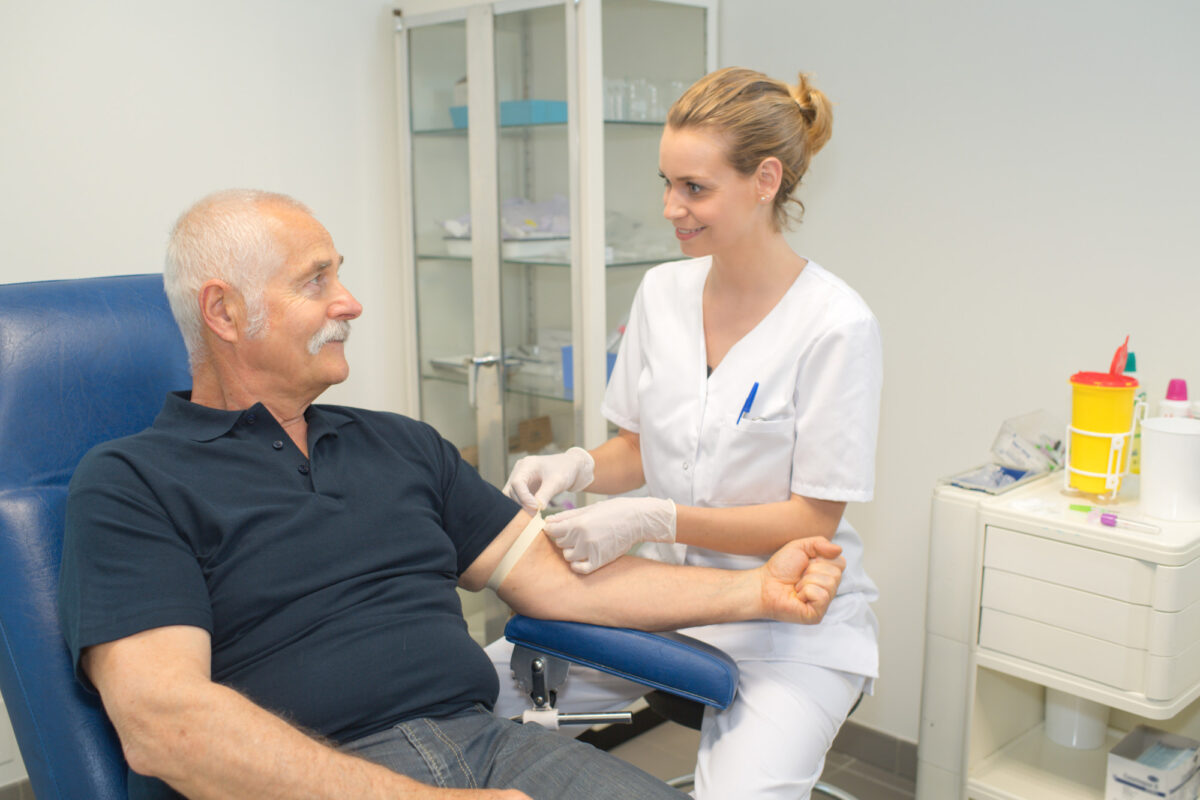
Phlebotomy is when someone uses a needle to draw blood from a vein, usually for medical purposes like lab tests or transfusions, though they may also draw blood for blood donations.
Typically, a blood draw is performed from a vein, such as veins in your arm. However, a phlebotomist may also collect blood from capillaries when a small amount of blood is needed, such as capillaries in your ear lobe, finger, or heel.
There are several medical professionals who can perform blood draws. Phlebotomists are unique in that they specialize in drawing blood and have extensive training to do it with finesse.
Phlebotomy Explained: Duties of a Phlebotomist
A phlebotomist is considered an allied medical professional—i.e. medical professionals other than doctors, nurses, optometrists, dentists, or pharmacists. Specifically, they’re medical professionals other than doctors, nurses, optometrists, dentists, or pharmacists who have contact with patients in clinical settings, usually as a technician.
This is important to understand because phlebotomists don’t treat patients even though they work quite closely with them. Instead, a phlebotomist is responsible for ensuring that all aspects of a blood draw happen smoothly, from preparing a patient to explaining the process to labeling blood samples (and, of course, performing the blood draw itself).
How to Become a Phlebotomist
If you’re interested in becoming part of the medical profession without the major investment of medical or nursing school, we have good news: it’s relatively easy to become a phlebotomist.
In order to become a phlebotomist, you need to enroll in an accredited phlebotomy program. This is typically a type of postsecondary program. After that, you’ll have the credentials and experience to enroll in a phlebotomy certification, which will ensure you have the knowledge and hands-on experience to become employed as a professional phlebotomist. Ideally, you should prepare for your certification exam with a prep course and phlebotomy guide to help you study.
Keep in mind that there are levels of phlebotomy certification that qualify you to do certain things. The most basic is the limited phlebotomy technician certification, which authorizes you to perform skin puncture blood draws.
Thinking of Becoming a Phlebotomist?
Once you know how to become a phlebotomist, the process is pretty straightforward. If you’re ready to move beyond simple phlebotomy tips and pursue a rewarding career, we’re here to make it possible.
The National Association of Phlebotomy Technician Professionals is the nation’s leading organization for certifying phlebotomy professionals. Our exam is the gold standard for certification, and we’ve led the charge on establishing nationwide standard guidelines and a national code of ethics for the phlebotomy profession.
Ready to invest in your future? Check out our exam and study options today.