If you’re looking to get into healthcare, you’re making a great choice- it’s the fastest-growing market in the US economy. Still, if you’re going to join the ranks of these 18 million workers, you’re going to need to choose the right path for your journey towards being a medical professional.
Phlebotomy vs. CNA is an important distinction since these are two of the most popular entry-level positions in the medical sector. Read on to learn how these two positions are different in both their duties and requirements.
Defining Phlebotomy vs. CNA
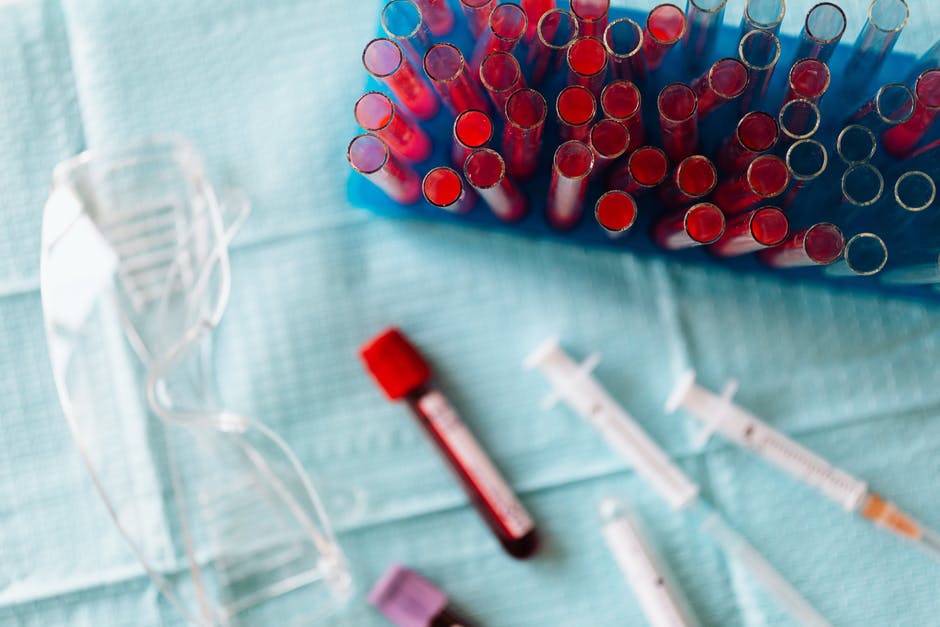
Phlebotomy is the practice of drawing blood from patients to send for lab work. A phlebotomy technician is trained in how to appropriately draw, handle, label, and store blood. They also learn how to send it for professional assessment and analysis.
Phlebotomy technicians also may draw blood for purposes other than lab work. This includes blood donation and transfusion.
A certified nursing assistant (CNA) is an entry-level healthcare position that helps patients with direct care needs. They work under the supervision of a nurse and help with manual tasks for patient care. Such jobs might include assisting with mobility needs, cleaning bodily fluids, talking to patients, and ensuring their comfort.
Job and Duties
As you might expect, the duties of a CNA are much broader than those of a phlebotomy technician. While phlebotomists are solely responsible for blood-related endeavors, CNAs focus on broader patient care. They may help to bathe them, serve them meals, or assist them with moving around the room.
CNAs therefore work directly with patients far more often than phlebotomists do. Phlebotomists only usually interact with patients during the process of drawing blood. Other facets of their job such as blood storage and transportation require a lot of technical knowledge but little patient interaction.
Education, Certification, and Experience
To become a phlebotomist, you will need to attend accredited courses like those NAPTP offers. These courses take about six weeks and are fully online. They will prepare you to sit for the phlebotomy exam.
There are multiple tiers of phlebotomy professionals. Limited phlebotomy certification, CPT I, and CPT II all have their own requirements. Make sure that you know what you’re working toward and what you will need to do to achieve your goals.
CNAs need to complete an approved nursing assistant program. This is generally in-person and can range from a few months to a year. After completing this program, they will need to complete a state-specific nursing exam.
Become a Certified Phlebotomist Today
Now that you know the difference between phlebotomy vs. CNA duties, it’s time to begin your journey towards medical work. The National Association of Phlebotomy Technician Professionals (NAPTP) offers the training and exams needed to become a certified phlebotomist.
Our experts are committed to preparing you for blood draws, working with patients, and implementing appropriate storage and handling techniques. Contact us with any lingering questions that you have about becoming a phlebotomy professional.