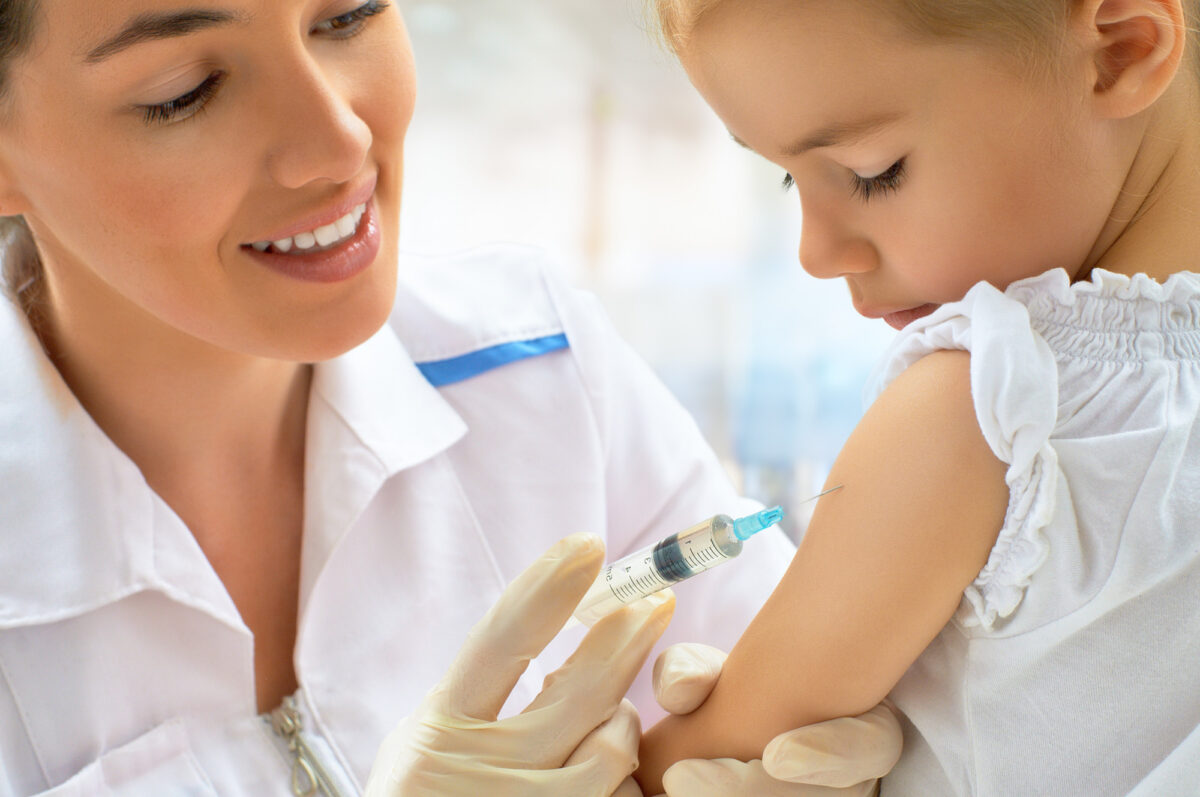
Although it may only be seen by many as segue to diagnosis, phlebotomy is an invasive medical procedure that can cause patients to feel a lot of anxiety and stress. As a phlebotomy technician, you are responsible for ensuring that their blood draws are as pleasant as possible, and this is only achievable by following best practices for blood collection.
From a safety perspective, proper handling is vital to minimize the risk of biohazard exposure. It is also vital from a diagnostic perspective, as mishandled and improperly stored samples can lead to inaccurate results.
Our six-week, self-paced online phlebotomy course can help you learn everything you need to pass the NAPTP exam. Before that, however, you can read this guide to learn more about how a phlebotomy technician should perform their job.
Best Practices for Phlebotomy Technicians
There are three key steps to performing a phlebotomy procedure properly:
- Planning
- Maintaining an appropriate environment
- Practicing quality control at all times
Procedure planning involves identifying what you need to do, how you will do it, and what equipment you will need. What is the patient’s name, age, and reason for visiting? How much blood do you need to draw from them, and where is the best vein site to draw from?
When you are methodical in your approach to care, you can avoid causing the patient any undue harm or stress and ensure their doctor receives the lab results they need to make accurate diagnoses.
Phlebotomy technicians must always maintain a safe work environment, whether they are in a hospital, diagnostics lab, or other outpatient facility. The area you work in should always be sterile, well-lit, and clean.
Part of this process relates closely to blood handling; without properly managing your worksite, there is an increased risk of blood exposure, which can lead to bacteria and parasite exposure, as well as the risk of contracting a bloodborne disease like HIV/AIDS.
Finally, practicing quality control ensures that you always wear appropriate equipment (such as PPE and gloves), never use contaminated phlebotomy equipment, and always follow the appropriate lab sample collection and storage protocol.
Another best practice may not be medical in nature, but it is equally important to successfully perform your job as a phlebotomist—tending to patients. You should be warm and welcoming to each individual and also be patient and gentle with those who exhibit signs of anxiety, high stress, or even fear of having their blood drawn.
When patients are more relaxed, blood draws are much easier, less painful, and more effective.
You can improve outcomes by always walking patients through procedures, letting them know what you are going to do, and ensuring they are as relaxed as possible before drawing blood.
Become a Phlebotomist Online
Our six-week course is designed to be flexible and accessible for phlebotomy students. We offer study guides, PDFs, video instruction and an easy-to-follow module-based format to help you become a certified phlebotomy/cardio-phlebotomy technician.