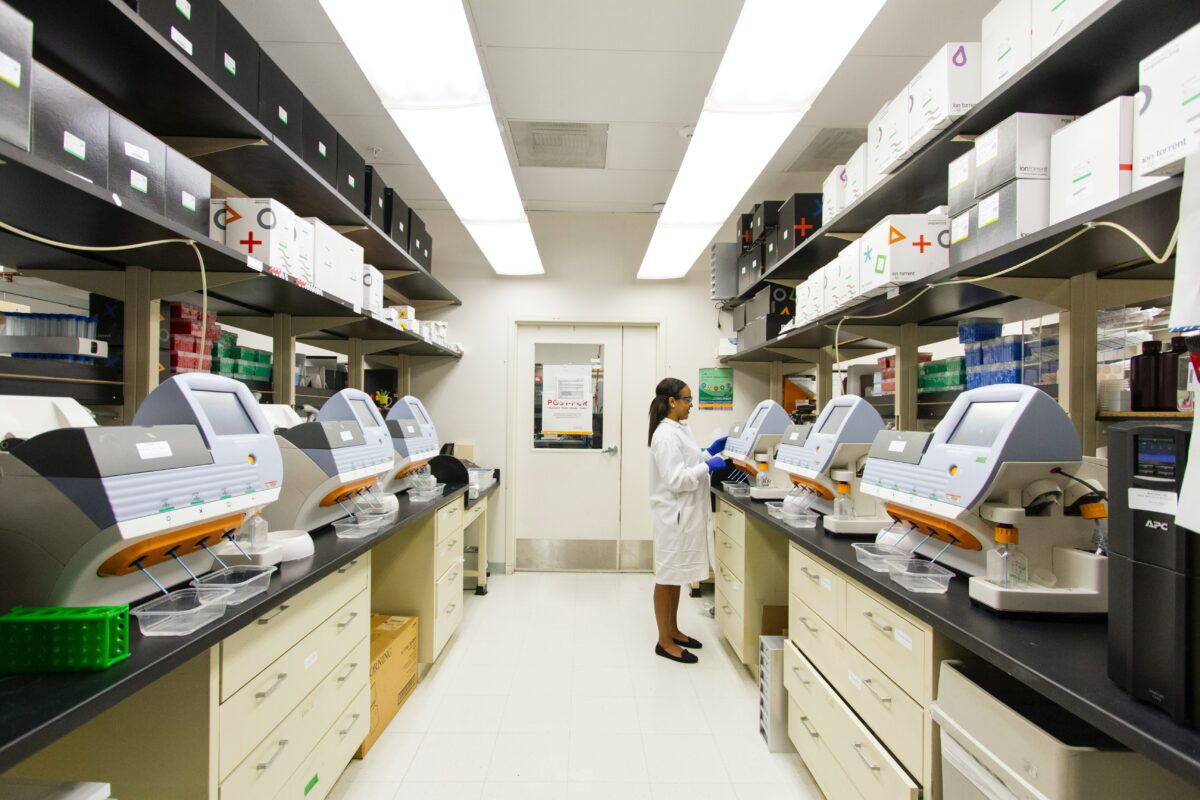
Becoming a phlebotomy technician is a great way to develop skills needed in a range of healthcare settings, from hospitals to laboratories. A phlebotomist is responsible for drawing blood, collecting samples, and processing these samples safely and properly.
As with other healthcare jobs, phlebotomy technicians can choose from different career paths. Once technicians are certified by the National Association of Phlebotomy Technician Professionals (NAPTP), the leading organization in the U.S. for certifying phlebotomists, one of many different career paths can be pursued.
Certification by the NAPTP
The first important step is to attain NAPTP certification. Being certified benefits you in a number of ways, including:
- Credibility: Having NAPTP certification gives you the credibility you need for a range of phlebotomy careers with different organizations.
- Advancement: With certification, your phlebotomy technician career advancement options increase.
- Trustworthiness: When you are a certified phlebotomy technician, organizations and job recruiters trust you to have the skills needed to perform your job well.
- Boosting Skills: When you take an NAPTP review course to prepare for certification, you access study guides and videos that refresh your knowledge and keep you up to date.
Once you’ve achieved NAPTP certification, you can pursue a variety of phlebotomy careers in different settings.
Phlebotomy Careers: Your Options
These are some of the major phlebotomy technician career advancement paths available to phlebotomists certified by the NAPTP.
Hospital Phlebotomist
Whether patients arrive through the ER, are scheduled for surgery, or are hospitalized for care and observation, many need to have blood drawn to provide medical teams with crucial information. A certified phlebotomist fulfills this important role.
Medical Laboratory Phlebotomy Technician
Many medical phlebotomists work in medical laboratories. Samples may come in already collected elsewhere, requiring processing by the onsite phlebotomy technician. Or individuals may walk in to the medical lab to have blood drawn.
Private Practice Phlebotomist
Larger private practice clinics often have their own onsite phlebotomy technicians, or they may work with associated medical labs that hire phlebotomists and serve many private clinics in the region.
Blood Donation Technician
Blood donors rely on skilled phlebotomists to put them at ease and draw blood skillfully at both mobile and permanent blood donation centers.
Research Lab Phlebotomist
A wide range of research labs, including on university campuses and at dedicated research centers, need skilled, certified phlebotomists to collect and process blood samples.
Phlebotomy Technician Career Advancement
Regardless of where you work, you can take steps to advance your career as a certified phlebotomist. These steps include:
- Specialize: When you specialize in a specific area, you can become more in-demand and earn a higher salary.
- Manage: Becoming a phlebotomist in a managerial position overseeing other technicians will advance your career and increase your pay.
- Evolve: Once you’ve gained experience as a practicing phlebotomist, you can take steps to evolve your career and transfer into other fields, becoming a medical laboratory technician, a physician assistant, or a registered nurse, for example.
The job outlook for phlebotomists is promising. According to the U.S. Bureau of Labor Statistics, employment of phlebotomists is expected to grow at a faster than average pace from 2021 to 2031.
Learn More
Whether you’re exploring phlebotomy careers or you’re searching for phlebotomy technician career advancement opportunities, your first step is to get certified. Learn about our self-paced phlebotomy preparation course designed to help you achieve certification on your schedule, at your own speed.