Categories
Uncategorized

Licensed Practical Nurses Can Now Earn their IV Certification and Get CEU’s


If you’re a registered nurse in the US, Phlebotomy Career Training has an opportunity to earn those much-needed continuing education units (CEUs) while also getting a qualification that helps take you further as a medical professional.

We’re referring to PCT’s IV Technician Certification, an entirely online certification that helps brief you on the legal aspects of intravenous insertion and flushing, the principles surrounding it, the safety precautions involved, hazards, and treatment. The course also reviews Occupational Health And Safety Administration (OSHA) protocols. It discusses in-depth the equipment involved in venipuncture and the physiology and psychology of a person who has been treated via IV.

The comprehensive course spans roughly 30 hours of instruction and 10 hours of practice sessions. Of course, since the course is online, these practice sessions are carried out with a camera and an intravenous mannequin arm. The arm mimics the structure of a real arm and is meant to be used to practice procedures in the presence of an instructor. The instructor then provides feedback regarding improvements and important considerations.

As one of the many fully online courses in PCT’s catalog, the IV Technician course is designed to accommodate the busy schedule of the working adult. You have six months from the date of purchase to complete the entire course, giving you ample time to finish the 40 hours of material. Students are also given a copy of the national IV Technician exam guide, and the course helps prepare them to take the exam. The web-based course is accessible via mobile, desktop, and tablet and is available to students 24/7.

The course is intended for individuals who’ve already been practicing as a phlebotomist, medical assistant, registered nurse, LPN, NP, PA, MD, dental hygienist, dentist, EMT, Paramedic, or Fire Fighter, and also requires prior knowledge of patient care and venipuncture.

The material covered in the course is of particular benefit to nurses who form the frontline of healthcare. The precautions, hazards, and treatments discussed in the course help provide in-depth knowledge regarding critical aspects of care.

Upon successfully completing the course, students are also entitled to CEUs accredited by the National Telemetry Association through CAPCE. The credits serve to showcase that you’ve been putting in hours to keep your skills at the cutting edge and help further qualify you as a medical professional.

The IV Technician course is only one of the many courses PCT has to offer, including a 20 certification bundle, strictly for in-classroom students. Other courses available in medical health offered at Phlebotomy Career Training include; Cardio-Phlebotomy Technician, Pharmacy Technician, Electrocardiogram Technician, Dialysis Technician, Medical Assistant, Patient Care Technician, Medical Coding and Billing and more! So many options pave the way into many different careers so that you are never without a job choice.

A national certification through the NAPTP is included with most programs. Having an extra level of certification does wonders for your resume as well makes you a desired candidate above others.

If you’d like to know more about the IV Technician Certification course, or any of the other courses offered by PCT, consider visiting their website or dropping by their location in Garden City, Michigan.
Categories
Uncategorized

Telemetry Certification: Frequently Asked Questions

phlebotomy-and-telemetry-certification

If you intend to pursue telemetry certification, or you have an interest in the field that you might pursue someday, there may be certain aspects of the process that you want more information about. That’s why today we’ll take a look at some of the questions surrounding telemetry certification that are common amongst candidates; hopefully it’ll shed new light on the matter.

What is telemetry?
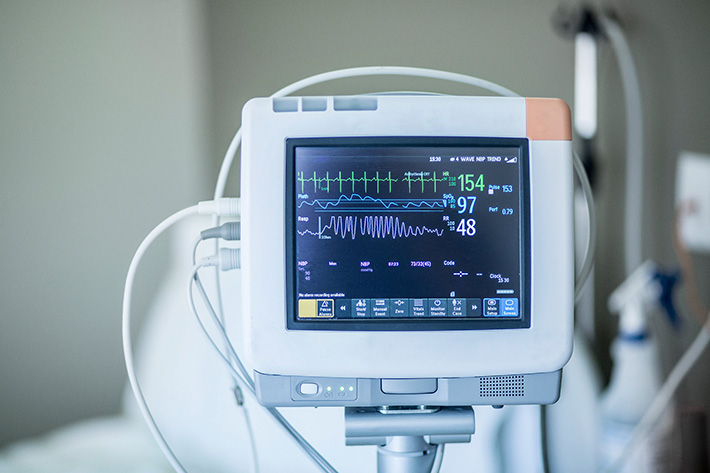
Telemetry, in broad terms, is the science of electronically monitoring a patient’s vital signs. This is most commonly done via a telemetric monitor which displays a patient’s heart rate and rhythm.

How long does it take to complete a telemetry certification course?
The lengths of training programs and courses can vary significantly depending on the organizations offering them, as well as what the program prepares you for. If you go with one of the convenient online courses available, and physical training courses that supplement your online learning, you can be fully certified within 1 – 5 months, depending on your prior medical experience. As an example, the certification course offered by the National Telemetry Association is self-paced, must be completed within 6 months, and is intended for applicants with no prior knowledge.

Are certification courses/tests difficult?
While there are many elements of a telemetry technician’s job that aren’t as cut and dry as just reading and noting down numbers, the difficulty of your course depends entirely on the testing body that will administer your final exam and eventually grant your certification. As a general rule, most accreditation tests will allow multiple attempts within a certain period, so you shouldn’t be too worried about difficulty. As an example, the NTA online course final exam requires candidates to score at least 85 percent in order to receive their certification.

What profession does a telemetry certification prepare me for, and what does the job entail?
A certification qualifies you to work as a telemetry or monitor technician. It is a telemetry technician’s job to monitor the electrical signals that represent a patient’s heart activity, and identify rhythms as well as the signs of cardiovascular issues. As a technician, you also become well acquainted with the essential equipment (the monitor and electrodes), and you are expected to be able to troubleshoot issues with both to a reasonable degree. While most of your expertise will come with hands on experience, The basic process you’re engaged in involves the following:

  • Identifying where to attach electrodes in order to effectively monitor a patient’s heart activity.
  • Attaching the electrodes.
  • Interpreting readings on the monitor.
  • Identify potential health risks, such as cardiac arrhythmia.

A telemetry technician’s duties may involve monitoring critically ill patients who are in or have recently been discharged from the ICU. For patients such as these, and others, a technician’s ability to identify issues through what they see on their monitor may be critical to saving their lives.

We hope that answers some of the questions you may have had regarding telemetry certification. If you have a specific question that wasn’t covered in this article, please feel free to reach out to us here.

Get Your Certification

Gain expertise, knowledge and invaluable skillsets with courses in medical health such as telemetry at Phlebotomy Career Training. Certifications through the PCT provide ample verification that students meet and exceeded national standards. This is because our classes are small, our educators are experienced, and our commitment to patient safety is a top priority. Your career in medical health is supported by national organizations such as the NAPTP which offers a world of opportunity and secure careers to our graduating students.

Our courses include phlebotomy, cardio-phlebotomy, dialysis technician, medical assistant, patient care technician, medical billing and coding, pharmacy technician and so much more, including several tiers and various certifications within. If you are considering a medical health career, Phlebotomy Career Training is the place. Questions or want to learn more? Call and speak to a program specialist today!

Categories
Uncategorized

RN’s can use NAPTP’s Phlebotomy National Certification for 16 Continuing Education Hours (CEHs)

phlebotomy certification

Medical practitioners are required to continue their education after getting into their careers. Managing their professional workload and the educational requirements can prove quite the task, even for veterans in the field.

The National Association of Phlebotomy Technician Professionals is a nationally accredited body that provides different kinds of professional certifications that can help you along in your career or help qualify you to practice an unfamiliar discipline.

The requirements for taking the NAPTP phlebotomy exam include comprehensive job experience, an understanding of rules of procedure, HIPAA and OSHA regulations, and more of what a certified phlebotomist needs to know.

For registered nurses, the course offers an opportunity to learn about recent developments within the field of phlebotomy, helping them conduct blood draws and take samples effectively, efficiently, and without incident. It also provides them with an added notch on their belt in the form of a national certification, which can help distinguish them from other candidates in the running for a particular job listing. Since the entire course is online, students can pace themselves according to their own schedules, making it more accommodating for professionals with odd hours.

Beyond the benefits of the exam itself, the course is also a great chance for currently practicing nurses to earn plenty of continuing education credits. The NAPTP is allowed to grant up to 15.5 CEHs to any successful candidate through the National Telemetry Association (NTA), accredited by the Commission for Accreditation of Pre-hospital Continuing Education. To be considered a successful candidate, a student must obtain at least an 85% score on the online test, after which they will be mailed their certification within 7-10 business days, along with a patch to sew onto their lab coats.

If you’ve been on the lookout for other certification courses, the NAPTP has a few others on offer that you should check out. These include a Review Course and Exam that helps test takers who aren’t familiar with recent course material prepare for the actual certification test and an immunization course and exam that deals with aspects of vaccination procedures and protocols.

If you’d like to learn more about the courses and exams offered by the NAPTP, click here to send in a query through their contact page. You can also find additional information regarding courses, as well as recent developments in the field of phlebotomy, on their website if you’d like to know more.

Categories
Uncategorized

Purchase the In-House Phlebotomy Training Separately from the Courses at Phlebotomy Career Training

The Phlebotomy Technician courses offered at the Phlebotomy Career Training include a virtual simulation kit (VSK) for students who cannot access internships in their area for any reason. This phlebotomy training kit has made it easier for students to practice venipunctures at home without going to any medical facility for training. But what about those who still need to register for the courses? Are these kits only for the students enrolled in the courses offered at Phlebotomy Career Training?Fortunately, anyone can now buy the in-house phlebotomy training kit and practice as much as they want at home. You just need to place your order at the Phlebotomy Career Training website, and it will be delivered to your address within 5 to 7 business days!

Phlebotomy Career Training Has Made a Virtual Simulation Kit Within Everyone’s Reach at the Fairest Prices!

Phlebotomy Career Training is a leading institute offering a wide range of medical careers and certifications and understands the educational applications that virtual simulation offers in the medical field. The aim is to make training possible and accessible to all. Many students do not register for courses like phlebotomy technician and IV technician because they involve internships, including a set of venipunctures, which students need to complete in a medical facility or center. Offering a virtual alternative to students has solved this issue. Now, anyone can pursue their passion and become a professional certified phlebotomist.Upon registration to the Phlebotomy Technician Course, students get a kit for free, which they can use to practice drawing blood.But the best part is that students can purchase the phlebotomy training kits separately from the courses to continue their practice. So if you’re not registered for any of the courses offered at Phlebotomy Career Training, you can still purchase the kit.Although purchasing a VSK separately from the course can be costly, it is a good investment that allows you to practice as much as you want and refine your phlebotomy skills.

Purchase the In-House Phlebotomy Training Kit at the Phlebotomy Career Training Website

Visit the website to purchase your kit, and it will be at your doorstep within 5 to 7 days after the purchase.The kit includes all the supplies required for phlebotomy, including different colored tubes, straight and butterfly needles, and different additives; hence everything you need to practice order of draw.Call (734) 762-3220 or visit the website for more information!

Choose your Path

Get started on a medical health career at Phlebotomy Career Training. With so many different courses to choose from, you can create your own path to a long-term career always in demand. A certification in phlebotomy provides a solid foundation to other tiers and fields within healthcare such as patient care, medical assistant certification, medical coding and billing to name a few. skill-set that is always in high demand.

Phlebotomy Career Training nurtures a specialized skill set with small class sizes and educators that are experienced in the field ensuring students get the training and acquire the skills needed for success.Our affiliations with national organizations and accreditations sets us apart from other schools and the way we operate is by putting patient safety as well as employee safety first.

To learn more about guidelines and standard practices in phlebotomy from the naptp, telemetry (NTA) and IV certifications (NIVA)call and speak to a program specialist today!

Categories
Uncategorized

How Many Levels are There for a Phlebotomy Certification?

tiers-of-phlebotomy-certification-phlebotomy-career-training

If you’re curious about how many levels there are to a Phlebotomy Certification, we’ve got just the information you need. In this article, we’ll take a brief look at the different levels, what qualification each level requires, and what qualification at each level entails in terms of practice.

The Three Levels of Phlebotomy Certification

Every state has it’s own rules of procedure when it comes to phlebotomy, as there isn’t a curriculum or accreditation that has been nationally adopted. In most states, people aren’t required to undergo training for different levels of phlebotomy practice. While you would need to get re-certified if you’re moving your practice between states, for people who have been engaged in the field in recent history, the process is usually fairly simple and straightforward, and requires only the submission of documents for the most part. The exceptions are Louisiana, California, Washington, and Nevada, all four require state-specific licenses for potential practitioners.

Among the three, we’ll be taking a closer look at California, as California is the only state to impose its level of regulations upon the Phlebotomy Certification process.

First off, candidates are limited in terms of what counts as valid experience, with time spent working in a blood bank or within the field of veterinary medicine not counting towards your certification.

Secondly, the certification process is broken down into three levels, and candidates who are certified at a certain level are only authorized to offer care at that level. The three levels are as follows:

  • Limited Phlebotomy Certification (LPT)
  • Certified Phlebotomy Certification (CPT I)
  • Certified Phlebotomy Certification (CPT II)

Let’s take an in-depth look at the three levels and the differences between them

Limited Phlebotomy Certification (LPT)

LPT Candidates must have completed 20 hours of basic classes in Phlebotomy with one of the many schools approved by the California Department of Public Health (CDPH). Following this, you must also successfully complete a certain number of skin puncture blood collections to qualify as an LPT.

LPTs are only allowed to do skin punctures

Certified Phlebotomy Certification (CPT I)

Along with all requirements of LPT training, candidates must also complete 20 hours of advanced classes at a CDPH approved school or training institute. Candidates must also successfully complete a certain number of venipunctures on actual patients, as well as a written exam.

CPT I certified individuals may only conduct skin punctures and venipunctures.

Certified Phlebotomy Certification (CPT II)

CPT II candidates must complete 20 further hours of advanced classes. They must also demonstrate proof of CPT I certification, as well as a minimum of 1,040 hours of onsite medical experience. In addition, candidates must complete 20 arterial punctures while under supervision from a senior medical professional.

CPT II certified individuals may conduct skin punctures, venipunctures and arterial punctures.

If you’d like to know more about how to become a certified phlebotomist in California, please contact the NAPTP, or visit our website.

Phlebotomy Certification with More than Levels

Drawing blood is crucial to a person’s overall health and as a certified phlebotomist you are helping people seek answers to their well-being through their blood work. From determining blood type to identifying risks for diseases and conditions as well as side effects from treatments, it all starts with the skill and service of a phlebotomist.

The levels of phlebotomy are determined by experience, but did you know you can add to your skill set with different tiers offered within phlebotomy? For example, you can also get certified as an Electrocardiogram Technician, or become a Cardio-phlebotomist both of which provide ample career opportunities in cardiovascular studies. Hospitals are seeking graduates to advance in dialysis clinics, cath labs, plasma centers, cardiology departments and so much more.

Medical assistants with a phlebotomy certification are in high demand, and now more than ever having an IV and vaccine certification that ride the coat tails of phlebotomy are proving to be in need all over the world.

Phlebotomy Career Training has all these courses and certifications available to students across the nation. A program specialist can help determine your course of action. What journey will you embark on? Medical billing and coding, pharmacy technician, medical assistant? Find your path at PCT so that you can count on a career that is in demand as well as contribute to the world of medical health.

More Information and Opportunities

Certification in Phlebotomy is the beginning of a journey that can take you anywhere. Having a national certification form the NAPTP will help you steer the direction in which your career in medical health will go. For more information on the naptp and opportunities in the field of phlebotomy and medical health click here.

Categories
Uncategorized

Certified Clinical Medical Assistant Training Now Available at Phlebotomy Career Training


Medical assistant jobs in the United States continue increasing after the widespread covid’19 that resulted in a boom in healthcare activities. As people prioritize their physical well-being and visit hospitals for blood tests and consultancy, the need for medical assistance and administration is reaching new heights.

So, if you’re a medical student and want to develop your career as a Certified Clinical Medical Assistant, Phlebotomy Career Training offers you a quick solution. Our Certified Clinical Medical Assistant Training is now launched. It will enable you to refine your resumes and land yourself jobs in reputable workplaces that pay sufficiently well.

Do you want to know more about PCT’s CCMA certification? Read along to discover all the essential information about becoming a certified Medical Assistant through Phlebotomy Career Training!

Job Responsibilities of a Certified Clinical Medical Assistant

Medical assistants are credible if they’re multi-taskers. Medical assistance is segmented into two parts- one where you cater to administrative tasks and the other where you focus on the medical aspects. As a clinical medical assistant, you’re in charge of several responsibilities, including:

  • Checking vitals, weight/height, and blood pressure of the patient
  • Directing patients to examination rooms
  • Getting patient history (asking for health concerns and symptoms)
  • Drawing blood for testing
  • Dressing bandages and removing stitches
  • Helping physicians with examination

Where Can a Certified Clinical Medical Assistant Work?

As a clinical medical assistant, you can land jobs in any medical practice, including doctor’s offices, hospitals, clinics, therapy centers, emergency care centers, research facilities, and rehabilitation centers. The top cities to work as an established and successful medical assistant in the United States are New York, Dallas, Los Angeles, Houston, Chicago, and Miami.

Certified Clinical Medical Assistant Training- Course Overview

The CCMA training can last for anywhere between 6 weeks to 6 months, depending upon your pace. You have six months to complete the course and appear for the National Exam. During this time, you can access the National study guide, practice exams, and online lectures at your convenience. You can also benefit from mentorship by contacting your instructors via email or phone calls.

When enrolling for the course, you must be of legal age (18 years or more) and have your high school diploma or GED. No previous, relevant medical experience is needed. Overall, the CCMA training is designed as a 996 credit hours course, of which you must spend 204 credit hours gaining internship experience. Some of the vital topics of the certification are:

  • Preparing for administrative tasks
  • Familiarizing with OSHA and HIPPA regulations
  • Taking vitals, performing phlebotomies, and pregnancy and drug testing
  • Therapeutic communication and patient care
  • Theoretical and hands-on learning to assist in minor surgeries and electrocardiograms

If you have previous medical experience, you can submit relevant documentation to receive an exemption from the internship requirements. In addition, upon clearing your national examination, you will receive your certification accredited by the NHA, AMCA, and NCCT.

How To Register At phlebotomycareertraining.com?

You can log in to Phlebotomy Career Training to register for the CCMA training. Feel free to click on our website for more information on our online courses. In case of questions and confusion, you can either submit your messages through our online contact form or email them at info@phlebotomycareertraining.com.

Talk to our representatives at 888-410-6416 during our working hours Monday to Friday (9 AM-5 PM) and Saturday (9 AM-2 PM) and enroll today for a brighter tomorrow.

Career Options in Medical Health

There are many choices for career paths in the health care industry. We’ve just explored becoming a medical assistant, however did you know that PCT offers several other certification courses to expand your skillset as well as your opportunities?

Our courses include phlebotomy, cardio-phlebotomydialysis technician, medical assistant, patient care technician, medical billing and coding, pharmacy technician and so much more, including several tiers and various certifications within.  If you are considering a medical health career, Phlebotomy Career Training is the place. Questions or want to learn more? Call and speak to a program specialist today!

Also, ask about how about the NAPTP can benefit your career, opportunities and skill!

Categories
Uncategorized

How Many Levels Are There for a Phlebotomy Certification?

phlebotomy certification

If you’re curious about how many levels there are to a Phlebotomy Certification, we’ve got just the information you need. In this article, we’ll take a brief look at the different levels, what qualification each level requires, and what qualification at each level entails in terms of practice.

The Three Levels of Phlebotomy Certification

Every state has it’s own rules of procedure when it comes to phlebotomy, as there isn’t a curriculum or accreditation that has been nationally adopted. In most states, people aren’t required to undergo training for different levels of phlebotomy practice.

While you would need to get re-certified if you’re moving your practice between states, for people who have been engaged in the field in recent history, the process is usually fairly simple and straightforward, and requires only the submission of documents for the most part. The exceptions are Louisiana, California, Washington, and Nevada, all four require state-specific licenses for potential practitioners.

Among the three, we’ll be taking a closer look at California, as California is the only state to impose its level of regulations upon the Phlebotomy Certification process. First off, candidates are limited in terms of what counts as valid experience, with time spent working in a blood bank or within the field of veterinary medicine not counting towards your certification. Secondly, the certification process is broken down into three levels, and candidates who are certified at a certain level are only authorized to offer care at that level. The three levels are as follows:

  • Limited Phlebotomy Certification (LPT)
  • Certified Phlebotomy Certification (CPT I)
  • Certified Phlebotomy Certification (CPT II)

Let’s take an in-depth look at the three levels and the differences between them

Limited Phlebotomy Certification (LPT)

LPT Candidates must have completed 20 hours of basic classes in Phlebotomy with one of the many schools approved by the California Department of Public Health (CDPH). Following this, you must also successfully complete a certain number of skin puncture blood collections to qualify as an LPT.

LPTs are only allowed to do skin punctures

Certified Phlebotomy Certification (CPT I)

Along with all requirements of LPT training, candidates must also complete 20 hours of advanced classes at a CDPH approved school or training institute. Candidates must also successfully complete a certain number of venipunctures on actual patients, as well as a written exam.

CPT I certified individuals may only conduct skin punctures and venipunctures.

Certified Phlebotomy Certification (CPT II)

CPT II candidates must complete 20 further hours of advanced classes. They must also demonstrate proof of CPT I certification, as well as a minimum of 1,040 hours of onsite medical experience. In addition, candidates must complete 20 arterial punctures while under supervision from a senior medical professional.

CPT II certified individuals may conduct skin punctures, venipunctures and arterial punctures.

If you’d like to know more about how to become a certified phlebotomist in California, please contact the NAPTP, or visit our website.

Phlebotomy Certification with More than Levels

Drawing blood is crucial to a person’s overall health and as a certified phlebotomist you are helping people seek answers to their well-being through their blood work. From determining blood type to identifying risks for diseases and conditions as well as side effects from treatments, it all starts with the skill and service of a phlebotomist.

The levels of phlebotomy are determined by experience, but did you know you can add to your skill set with different tiers offered within phlebotomy? For example, you can also get certified as an Electrocardiogram Technician, or become a Cardio-phlebotomist both of which provide ample career opportunities in cardiovascular studies. Hospitals are seeking graduates to advance in dialysis clinics, cath labs, plasma centers, cardiology departments and so much more.

Medical assistants with a phlebotomy certification are in high demand, and now more than ever having an IV and vaccine certification that ride the coat tails of phlebotomy are proving to be in need all over the world.

Phlebotomy Career Training has all these courses and certifications available to students across the nation. A program specialist can help determine your course of action. What journey will you embark on? Medical billing and coding, , medical assistant? Find your path at PCT so that you can count on a career that is in demand as well as contribute to the world of medical health.

Categories
Uncategorized

Learn How to Become a Phlebotomy Technician in Oklahoma

Phlebotomy is an excellent choice to establish your career and make a name for yourself. The covid reopening has caused a significant and favorable impact on the health industry. And so, as demand for venipuncture increases, the book in jobs in Phlebotomy expertise grows as well.

As a local in Oklahoma, becoming a phlebotomist offers high potential and  it’s not a complex procedure either. You can become a phlebotomist in Oklahoma after passing your National Exam and work at reputable hospitals, medical laboratories, and blood donation and diagnostic centers.

The Steps to Get Your Phlebotomy Certification

As you plan to collect blood samples of your patients and offer them utmost aftercare, here’s what you need to know beforehand. You must fulfill the general criteria for attending any Phlebotomy training organization for the starters.

You need to submit your immunization records and have a clean background and history with no felonies. You must also be a high-school graduate or done with your GED. In addition, you must be aged 18 years or above and agree to conduct a comprehensive blood test before registering for the National Exam.

You don’t need previous relevant experience to join Phlebotomy Training Certifications. After you enroll in your desired course at a third-party and affiliated Phlebotomy school like Phlebotomy Career Training, you can appear for your Exam. And upon clearing the Exam, you can receive your official certificate from working as a Certified Phlebotomy Technician in Oklahoma.

How To Sign Up with The Phlebotomy Career Training?

You can make your account at the official website of Phlebotomy Career Training and then register for any of the online Phlebotomy programs we offer. You can opt for the Phlebotomy with EKG Certificate, including 170 clock hours for Phlebotomy and an additional 60 hours for covering the Electrocardiogram certification.

If you wish to pursue Phlebotomy with cardio, you can also enroll for the Cardio-Phlebotomy Technician 7 Certifications. It opens several doors for your careers by enabling you to land jobs as experts in fields, including IV Technician, National Phlebotomy Technician, Telemetry Technician, and Cardio-Phlebotomy Technician. You’ll need to finish 30 successful blood draws and 10 live EKGs during the course.

Lastly, you can also register for the online Phlebotomy Technician Certification. The program covers numerous fundamental aspects of Phlebotomy, including collecting blood cultures, anatomy of vessels and skin, infant heel sticks, etc. Before sitting for your National Exam, you must complete 35 blood draws, and after passing their Exam, you can receive 16.5 CEU’s and National Certification.

Our Phlebotomy Technician Courses consist of unlimited access to study and exam guides and professional mentor guidance. You will have six months from your registration to help you prepare and appear for your Exam.

Enrolling for The National Phlebotomy Program

 Visit our website to read more about our training programs and certifications. You can also send messages by submitting your questions and contact details on the online contact form or emailing info@phlebotomycareertraining.com. Moreover if you prefer phone calls, contact us at 313-826-2381 or our toll-free number, 888-410-6416, for the latest updates.

Develop your career as a professional and knowledgeable Phlebotomy Technician in Oklahoma today!

NAPTP for National Certification

Patient safety is a top priority throughout the healthcare industry and phlebotomy is at the top of the list. Phlebotomist across the country that have a national certification through the NAPTP prove to have the knowledge and skills adhering to the guidelines and procedures that put the patient first. This established scope of practice holds the phlebotomist to the highest level of safety for the patient making for a safe, sanitary work environment. A certified phlebotomist with a national certification through this leading organization provides a long-standing career with ample opportunities in virtually all areas of healthcare. Check out the programs and certifications available here.

Categories
Uncategorized

Everything You Need to Know About Becoming a Phlebotomy Technician in NJ

Are you thinking of becoming a phlebotomy technician in NJ? A phlebotomist is a healthcare professional who draws and prepares blood for medical testing, donations, or transfusions. They receive training to collect blood via venipuncture, finger pricks, or pricks to the heel (for infants). You can typically find them in clinics, hospitals, outpatient care facilities, blood donation centers, and diagnostic laboratories.

When it comes to becoming a phlebotomy technician, one of the most common questions we get is if you need to be nationally certified. This article details the requirements of becoming a phlebotomy technician in New Jersey, how much you can expect to earn, and whether a national phlebotomy certification is important.

What Are the Phlebotomy Requirements For New Jersey?

You don’t need to be certified to work as a phlebotomy technician in NJ. However, there are numerous benefits of receiving a certificate. We will discuss this in a later section. In the meanwhile, let’s review some of the mandatory requirements you need to meet to work as a phlebotomist in the state:

  • Age: You need to be at least 18 years old to qualify for a phlebotomy training course.
  • Education: The state of New Jersey requires prospective phlebotomists to hold a high school diploma or a GED to qualify for a training course. If you are not 18 yet but have these qualifications, you can enroll in a course. However, you will have to wait until you meet the age requirements before you can start finding work in the field.
  • Training: There are various phlebotomy schools that offer diplomas and degrees in this field. You can also avail of an externship in a clinic, research laboratory, or hospital to gain some hands-on experience. Most diploma programs last 4 to 6 weeks.

What Is the Pay rate for Phlebotomy technicians in NJ?

One estimate suggests that the average salary of a phlebotomy technician in New Jersey is approximately $37,000 a year. You can usually earn $17.38 per hour at this job. It’s important to note that your pay rate will also depend on your experience and your place of employment.

Why Is National Certification Important for Phlebotomists?

As mentioned at the onset, it is not necessary for a phlebotomist to obtain national certification in New Jersey. However, getting a phlebotomy certification online can do wonders for your career as a phlebotomy technician in NJ. It can enhance your employability and make it easier for you to get a job. This is because it demonstrates your dedication to your profession.

Moreover, a certified phlebotomy technician has a more enhanced skill set and can perform their duties and responsibilities in a better way. Your employer will have the confidence that you possess the qualifications and experience required to do your job effectively and responsibly. You can qualify for higher wages and improve your chances of working at a senior position.

Become Nationally Certified as a Phlebotomy Technician with NAPTP

The NAPTP (National Association of Phlebotomy Technician Professionals) is the longest-standing authority enabling phlebotomy technicians to become nationally certified in New Jersey and beyond. You can get your phlebotomy certification online and join our network of healthcare partners. What’s more, NAPTP also helps you carve out a lucrative career in phlebotomy and quickly move up the ladder to get higher-paying jobs to achieve professional growth. Our phlebotomists work in prestigious healthcare institutions all across the United States.  Our certification is recognized by ICE, NCCT, AMCA, and NHA, allowing you to work at some of the leading healthcare organizations in the United States.


Get in touch with NAPTP today and find out how you can learn phlebotomy and get certified as a phlebotomy technician in NJ.

Categories
Uncategorized

Global Recognition of NTA Certification to Help You Work Anywhere in the World!

NTA certification continues to experience a boost in its fame worldwide. You can expect the job market for Telemetry to grow even more due to the ever-expanding medical industry.

Telemetry employment is now considered an even more essential career every passing day and in every country. NTA National Exam and Certifications for Telemetry and EKG are now accepted and acknowledged globally.

NTA Certification Increases Work Mobility As A Telemetry Technician!

Are you’re a Telemetry Technician in the United States and wish to transfer to Dubai or the UK? You can now easily take advantage of your NTA Certification to make a name for yourself. The NTA Certification helps you read the vital charts of your patients and identify possible distress in them.

The online Telemetry course also helps you assess the condition of your critical patients in ICU or recently out of ICU. That’s why a specialization as Telemetry Technician is now considered a valuable aspect in the healthcare sector.

The teachings and the credibility of NTA and its EKG and Telemetry courses make you a potential candidate for any medical workplace you apply for. The knowledge from NTA Certification further enables you to handle emergency and critical situations better and contribute to gaining the satisfaction and trust of your patients. That’s the reason why your NTA Certification can boost your resume’s value and assist you in getting higher salaries with more job responsibilities.

Our affiliation and accreditation with the Institute For Credentialing Excellent and CAPCE further make the NTA Certification reputable across the world. Refine your skills as a Telemetry Technician and work anywhere in the world you want. The Telemetry and EKG Exams by NTA open doors for your professional development!

Get Your NTA Certification Right Away!

As NTA certification continues to rise in its global acknowledgment, you have even higher chances to pursue and grow your career as a telemetry technician. You can continue offering better aftercare to the patients and become an asset for the hospital or clinic you work for.

NTA creates ease and flexibility for its enrolled students. Regardless of if you’re a nurse, medical student, medical professional, or telemetry technician, you can now register for online Telemetry and EKG courses. You can also complete these courses at your preferred speed because there is no deadline for your registration!

You receive comprehensive study guides and multiple lecture videos to learn and appear for the National Exam. NTA even allows two attempts if you’re unable to pass the first one. Add your NTA Telemetry Patch on your resume and set out to discover the expanding global market of job opportunities.

You can start your Telemetry journey by preparing for the exam right away. You can enroll for the National Telemetry Exam by visiting our website or calling 888-461-3029. You can also send your concerns and questions through our online contact form. Our representatives will get back to you by the earliest time possible.

Other Resources for Choosing a Career in Medical Health

Gain expertise, knowledge and invaluable skillsets with courses in medical health such as telemetry at Phlebotomy Career Training. Certifications through the PCT provide ample verification that students meet and exceeded national standards. This is because our classes are small, our educators are experienced, and our commitment to patient safety is a top priority.  Your career in medical health is supported by national organizations providing opportunities and securing careers to graduating students.

Our courses include phlebotomy, cardio-phlebotomy, dialysis technician, medical assistant, patient care technician, medical billing and coding, and so much more, including several tiers and various certifications within.  If you are considering a medical health career, Phlebotomy Career Training is the place. Questions or want to learn more? Call and speak to a program specialist today!