Categories
Phlebotomy Certification

What Are the Benefits of Phlebotomy Certification for CNA Workers?

CNA

According to data from the BLS, the demand for phlebotomists is going to grow by 17% by 2029. This is far above the average for all other occupations.

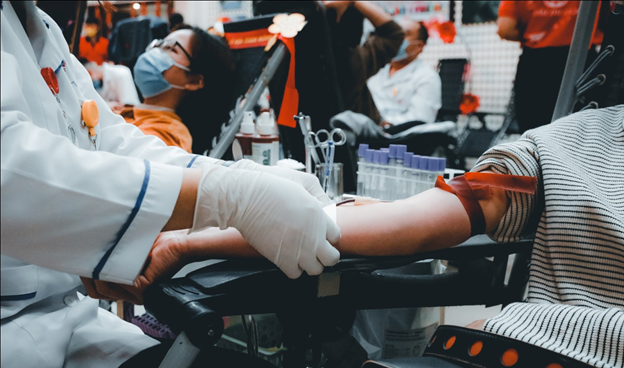
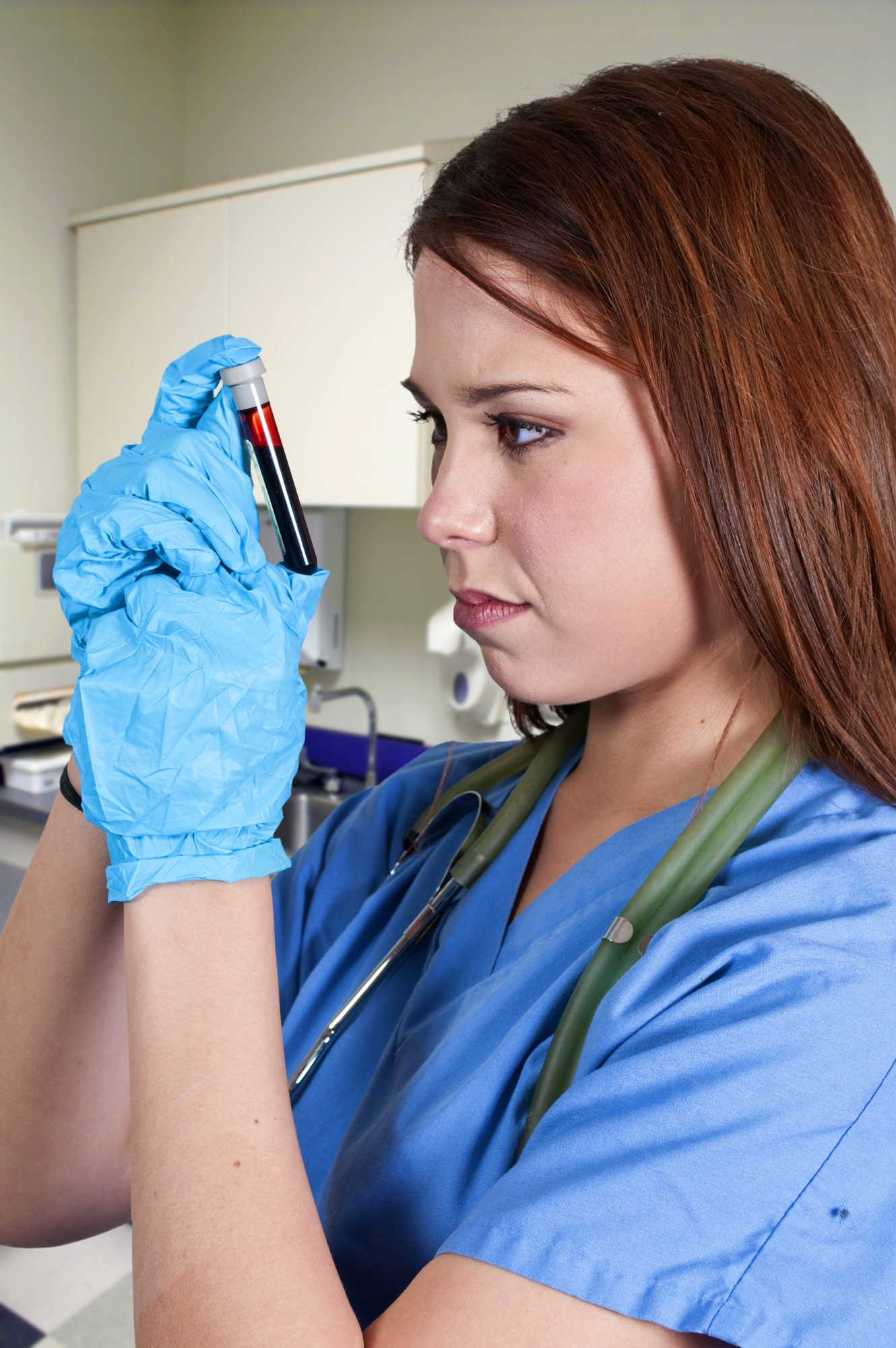
If you are a CNA, getting a phlebotomy certification can be a smart career move. What’s more, increased job opportunities aren’t the only benefit of getting certified as a phlebotomist.

If you’re wondering whether you should get this specialty credential, keep reading as we outline the top benefits of phlebotomy certification.

Widened Employment Options

As mentioned above, getting a phlebotomy certification can open up a wider choice of career options. Phlebotomists are in high demand all over the US, which means you can find employment at a broad variety of facilities and locations.

If you’re a CNA who has completed training in phlebotomy you can find work at places like a:

  • Hospital
  • Medical clinic
  • Rehabilitation center
  • Nursing home
  • Plasma and blood donation center
  • Medical or research laboratory
  • Hospice care center
  • Home health care company
  • University health clinic

Not only does phlebotomy certification give you a better chance of employment, but it can also land you a job in various environments.

Higher Pay

Another benefit of getting a phlebotomy certification as a CNA is that it can net you higher pay. The national average wage for a phlebotomist is $33,803 per year or $16 per hour.

This is substantially more than the average CNA salary. Of course, salaries vary depending on your location and the medical facility you work at. However, the BLS reports that entry-level salaries for a CNA position in the US are currently around $22,750 or $10.94 per hour.

If you are a CNA without specialty training, then it is likely that you will earn within this quartile. On the other hand, if you choose to get a phlebotomy certification, you can quickly bump up your earning power.

Increased Chance of Promotion

Along with more job opportunities and higher pay, getting a phlebotomy certification can also increase your chance of promotion.

Phlebotomy is a specialty credential, which means many CNAs who have this certification move on to more prestigious and better-paying positions. These include jobs such as managers, research assistants, and shift supervisors.

Quick Certification

Becoming a phlebotomist is one of the quickest ways to boost your career as a CNA. This is because phlebotomy certifications are relatively quick.

If you study full-time, you can get certified in as little as 8 weeks. If you have to study part-time, you can still complete your training in under 16 weeks.

Are You a CNA Looking to Get a Phlebotomy Certification?

As you can see, becoming a phlebotomist comes with a lot of attractive advantages. If you’re a CNA, getting a phlebotomy certification can open the door to more employment options, higher pay, and an increased chance of promotion.

Are you looking to get certified? If so, you have arrived at the right place.

The National Association of Phlebotomy Technician Professionals (NAPTP) is America’s leading organization for phlebotomy certifications.

Book your phlebotomy exam here to accelerate your nursing career today.
Categories
Immunization Certification Medical Assistants Phlebotomy Certification Phlebotomy Instructor Course

How Can Medical Students and Phlebotomy Technicians Benefit from Learning How to Administer Vaccines


Phlebotomy Technician
Vaccination cert now available through the NAPTP

With the increase in coronavirus conspiracy theories, much of the public has refused vaccine administration. Healthcare professionals, such as nurses, students, and phlebotomy technicians, play a vital role in changing the public’s perspective and ensuring their safety and health.

There are many benefits of learning how to administer vaccines, but first, let’s take a look at the process of vaccine administration:


What You Will Need


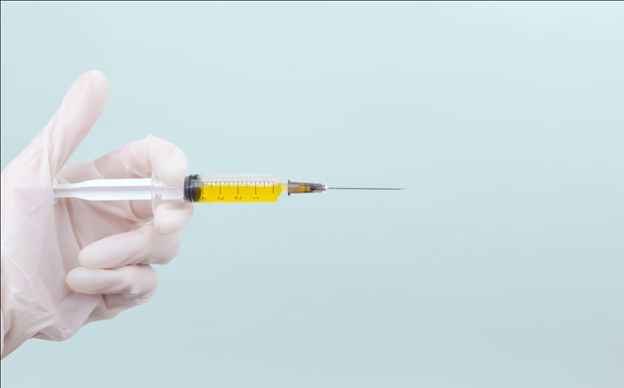
Intramuscular vaccinations have been a part of our lives since we were born. However, not many of us know the ins and outs of administering a vaccine. Here’s a list of things needed to administer vaccines:


  • A Sharps Container
  • Disinfectant
  • Disposable Gloves
  • Cotton Swabs
  • Syringe and needle [16-38mm width, 22-25 gauge]
  • Vaccine
  • Bandages


Post-Vaccination Procedure


Before administering a vaccine, a healthcare professional or phlebotomy technician should check the patient for any infections or fever. In addition to this, they should also review the patient’s records to seek information on allergies.

If the patient has a bleeding or bruising disorder, this will also help determine the appropriate gauge of the needle required. Doctors and nurses also check the patient’s immunodeficiency or surgery requirements to ensure their vaccination process is safe.

It’s also beneficial for patients as well as medical students of professionals to brief the patient on any benefits, efficiency, or side effects of the vaccination. Briefing the patient will help put their mind at ease and make the process smoother.


Steps of Vaccine Administration


Administering a vaccine can be a short process; however, medical students must still follow the SOPs. Here’s how the procedure goes:


  • Disinfecting the hands
  • Check the vaccine’s shelf life, dosage, and route of administration
  • It’s advisable to administer vaccines in patients’ non-dominant arms
  • Palpate the most muscular part of the deltoid muscle and disinfect the area
  • Put gloves on and remove any air bubbles before administering the injection
  • Hold the muscle and inject the vaccination at a 90-degree angle and dispose of the injection in the sharps container


How is Learning This Skill Beneficial for Students and Technicians?


Learning this skill has now become a necessity rather than an option. Here are the benefits of learning vaccine administration for students and phlebotomy technicians:


  • It will enable you to stand out amongst other applicants
  • You will help the public by administering necessary vaccines
  • You will learn how to properly prepare, store, handle, or transport vaccinations
  • Technicians, nurses, and students can volunteer in vaccination centers to provide support to the healthcare team
  • Receive hands-on training sessions and gain insight into vaccinations


Have More Questions?


NAPTP has been helping students, nurses, and phlebotomy technicians across the country for several years. Contact us now for further information.

Categories
Phlebotomy Certification Phlebotomy Instructor Course Uncategorized

Five Ways Phlebotomy Technicians Can Benefit from an Online Certification

Phlebotomy Technician
Phlebotomy technicians need an online certificate and license in California, Louisiana, and Nevada.

Whether you’re an aspiring phlebotomy technician, a medical student, or a certified nurse, getting a certification is not mandatory for all the US states. However, an online certification can set you up for success and help you stand out from the crowd.

Benefits of Certification for Phlebotomy Monitor Technicians

The National Association of Phlebotomy Technician Professionals [NAPTP] has been helping healthcare professionals and students achieve the required score for their online certification exams since 1998. We believe that our course helps improve patient safety measures around the country.
Let’s take a look at some of the benefits of acquiring a certificate for EKG and phlebotomy training:

1. Highlighting Skills

Getting a phlebotomy certificate can be a long and challenging process. However, once you pass the test, you can showcase your skills with proof of expertise. Your employer will be highly impressed with your knowledge and skills highlighted through the certificate.

2. Gaining Knowledge beyond the Basic Training

For a certification program, you will need knowledge of the latest tools, techniques, and equipment. This will also help you in gaining the upper hand in the job market. In addition to this, when you’re studying for the exam, you will gain a lot more education than you would from introductory training sessions.

3. Expanding the Job Market

With certifications, you will not need to wait for months for a local hospital to post job openings. The certificate will enable phlebotomy monitor technicians to apply at other healthcare institutions, such as private clinics, laboratories, treatment or care centers, and educational institutions.

4. Gaining Access to Better Salary Packages

According to Indeed.com, a certified phlebotomist can earn almost $40 thousand a year. Of course, if you don’t have a certification in your name, getting a handsome salary package may not be possible. So, to get better job offers and earn more than your peers, you will need to apply for an online certification exam for EKG or phlebotomy training.

5. Improving Constantly

For a phlebotomist’s certification to be eligible, they need to reappear for the exam every two years. This means that you will constantly be learning new skills, technologies, and methods each time you appear for an exam. This will not only present better opportunities but will also keep you motivated throughout your career.

Do You Need Help?

NAPTP’s certification is recognized by ICE, NTA and PCT.  We have been helping aspiring phlebotomy technicians, students, nurses, and healthcare professionals achieve their goals for decades. Register for our exams now and get a national certificate that allows you to explore new jobs and better academic opportunities.

Categories
Phlebotomy Certification

NAPTP: How National Certification Can Benefit Your Career

Gaining knowledge and learning new skills is a continuous process, accomplished by various methods such as reading, researching, and most importantly taking new courses that help in expanding our knowledge. However, an accredited certificate not only expands our knowledge but can become a great advantage, especially in today’s highly competitive market. Individuals with National certificates stand out as people that seek professionalism and show commitment to being recognized by their peers, and persistence in keeping up with new trends in the field.

The NAPTP (National Association of Phlebotomy Technician professionals) offers you the opportunity to become a certified phlebotomist/phlebotomy technician. How you can register, prepare for the exam, maintain your NAPTP certification, and why the NAPTP is ideal for accredited national certifications will be discussed in this article.
Applicants must be phlebotomy program graduates and must perform a minimal number of live blood draws to register for the exam on the NAPTP website. You will have to fill in all your personal information and mention any previous experience in the healthcare sector when you register for the exam. However, the registration options are not limited to just taking the exam because the additional help tools such as a review course or a PDF study guide offer further assistance in preparation and passing of the exam.
Once you pass the exam and become a certified phlebotomist/phlebotomy technician you can pursue your career anywhere that US certifications are accepted. Moreover, you will be able to earn more certifications, such as immunization certification and instructor certification. All these certifications will lead to an increase in your salary and forming a professional credibility.

NAPTP is the ideal route for obtaining accredited national certification. Particularly since the NAPTP certification is recognized by the National Telemetry Association. This certification is also accredited through CAPCE through the NTA. The NAPTP is a member of the ICE and is accepted by the hospitals and healthcare organizations. The NAPTP is also eligible to grant 15.5 CEU’s for each candidate that is accredited by CAPCE.

Get in touch with the NAPTP today and find out how you can benefit from an accredited national certification.

Categories
Phlebotomy Certification

Everything You Need to Know About Becoming a Phlebotomy Technician in NJ

Are you thinking of becoming a phlebotomy technician in NJ? A phlebotomist is a healthcare professional who draws and prepares blood for medical testing, donations, or transfusions. They receive training to collect blood via venipuncture, finger pricks, or pricks to the heel (for infants). You can typically find them in clinics, hospitals, outpatient care facilities, blood donation centers, and diagnostic laboratories.

When it comes to becoming a phlebotomy technician, one of the most common questions we get is if you need to be nationally certified. This article details the requirements of becoming a phlebotomy technician in New Jersey, how much you can expect to earn, and whether a national phlebotomy certification is important.

What Are the Phlebotomy Requirements For New Jersey?

You don’t need to be certified to work as a phlebotomy technician in NJ. However, there are numerous benefits of receiving a certificate. We will discuss this in a later section. In the meanwhile, let’s review some of the mandatory requirements you need to meet to work as a phlebotomist in the state:

  • Age: You need to be at least 18 years old to qualify for a phlebotomy training course.
  • Education: The state of New Jersey requires prospective phlebotomists to hold a high school diploma or a GED to qualify for a training course. If you are not 18 yet but have these qualifications, you can enroll in a course. However, you will have to wait until you meet the age requirements before you can start finding work in the field.
  • Training: There are various phlebotomy schools that offer diplomas and degrees in this field. You can also avail of an externship in a clinic, research laboratory, or hospital to gain some hands-on experience. Most diploma programs last 4 to 6 weeks.

What Is the Pay rate for Phlebotomy technicians in NJ?

One estimate suggests that the average salary of a phlebotomy technician in New Jersey is approximately $37,000 a year. You can usually earn $17.38 per hour at this job. It’s important to note that your pay rate will also depend on your experience and your place of employment.

Why Is National Certification Important for Phlebotomists?

As mentioned at the onset, it is not necessary for a phlebotomist to obtain national certification in New Jersey. However, getting a phlebotomy certification online can do wonders for your career as a phlebotomy technician in NJ. It can enhance your employability and make it easier for you to get a job. This is because it demonstrates your dedication to your profession.

Moreover, a certified phlebotomy technician has a more enhanced skill set and can perform their duties and responsibilities in a better way. Your employer will have the confidence that you possess the qualifications and experience required to do your job effectively and responsibly. You can qualify for higher wages and improve your chances of working at a senior position.

Become Nationally Certified as a Phlebotomy Technician with NAPTP

The NAPTP (National Association of Phlebotomy Technician Professionals) is the longest-standing authority enabling phlebotomy technicians to become nationally certified in New Jersey and beyond. You can get your phlebotomy certification online and join our network of healthcare partners. What’s more, NAPTP also helps you carve out a lucrative career in phlebotomy and quickly move up the ladder to get higher-paying jobs to achieve professional growth. Our phlebotomists work in prestigious healthcare institutions all across the United States.  Our certification is recognized by ICE, NCCT, AMCA, and NHA, allowing you to work at some of the leading healthcare organizations in the United States.


Get in touch with NAPTP today and find out how you can learn phlebotomy and get certified as a phlebotomy technician in NJ.

Categories
Phlebotomy Certification

Why You Should Get a Phlebotomy Certification as an EMT

phlebotomy certification

Becoming an emergency medical technician (EMT) is one of the best jobs you can get without a degree.

Want to know another high-paying health care job you can get with just a high school diploma or GED? US News ranked phlebotomy as the #4 top-paying job for non-degree-holding applicants.

The good news is that you can combine these two career fields. EMTs can also earn a phlebotomy certification.

Why would an EMT want to take the phlebotomy certification exam? Good question. Here are the top benefits of earning a phlebotomy certification as an EMT. 

Fulfill Certification Requirements

California, Louisiana, Nevada, and Washington require EMTs to hold a state phlebotomy certificate before drawing blood. Many hospitals also necessitate that you pass the phlebotomy certification exam as a condition of employment. 

Getting your phlebotomy certification requirement out of the way will help you land a job faster. If you already have a job and need to prove blood-draw competency, passing a phlebotomy certification exam can help serve as evidence of your skills. 

Be More Competitive

Paramedic and EMT jobs are growing faster than the national average. Yet, to land the position of your dreams, you need to set yourself apart from other applicants.

How do you do that? There are many certifications EMTs can get to differentiate their applications from the crowd. Phlebotomy is one of them, and because many of your peers don’t earn this certification, earning yours can help you land the best job for you.

Increase Your Salary

In 2020, the median pay for EMTs and paramedics was a little over $36,500 per year. Meanwhile, EMTs with phlebotomy skills can get paid up to $43,000 annually. Paramedics with phlebotomy certifications can stand to earn an even higher salary.

How do you prove you have the blood-drawing skills employers need? Employers will appreciate your phlebotomy certification as proof. They’ll be more likely to reward your hard work with the increased salary rate you deserve. 

Improve Your Career Prospects

If you work as an EMT-B, your ultimate goal may be to pursue a successful career as a paramedic. But paramedics must first apply for and complete medic school. And to increase your prospects of getting into paramedic school, becoming an ER tech may give you an advantage.

ER techs work with emergency room doctors and nurses. Among other patient-care duties, ER techs must draw blood. Getting a phlebotomy certificate can help you improve your chances of getting hired as an ER tech, and becoming a tech can help you advance your career as a paramedic.

Ready for Your Phlebotomy Certification Exam?

Some states and many hospitals require EMTs and paramedics to hold a phlebotomy certification before drawing blood.

Even if this requirement doesn’t apply to you, getting certified can help you differentiate yourself from competitors, earn a higher salary, and even improve your career prospects.

So, are you ready to register for your phlebotomy exam? You’ve come to the right place. Register with NAPTP to take your exam and get your phlebotomy certification today!

Categories
Phlebotomy Certification

Why All Nurses Should Consider Getting a Phlebotomy Certification

a phlebotomy certification

Phlebotomy is the process of drawing blood from patients. It’s not the same thing as administering an IV. Though, drawing blood may help newer nurses learn venipuncture (finding veins), which is useful for starting IVs. Only four US states require nurses and other health care workers who draw blood to hold a phlebotomy certification. This includes California, Louisiana, Nevada, and Washington. 

Yet, just because your state doesn’t require it doesn’t mean there aren’t significant pros of getting a phlebotomy certification. Many employers recommend that their nurses pass the exam and earn a certificate anyway.

So, why exactly should you get a phlebotomy certification as an RN or LPN? Keep reading for the top benefits you need to know. 

Get Certified Fast

Think you’re too busy to study for your phlebotomy certification? Think again, because getting certified as a registered nurse takes far less time than becoming a full-time phlebotomist. Most RNs and LPNs can earn their certification in as little as one or two days.

This is because, as long as you’ve completed 30 or more recorded blood drawings, you can sit for the exam without having to sit through courses. You’ll take the National Association of Phlebotomy Technician Professionals (NAPTP) exam to become officially certified. 

Increase Your Marketability

It’s no secret that nursing shortages have plagued the US market for years now. But what you may not know is that many nurses are still struggling to find a job. Experts suggest this could be because too many nurses compete for jobs in the same markets. 

So, how do you differentiate yourself from the local competition? A phlebotomy certification can help. Most RNs and LPNs only get blood-drawing training on the job, meaning your certificate will help you stand out from the stack. 

Negotiate Better Pay

69% of nurses negotiate their salary before accepting a job. Most of these nurses use their experience to fight for the pay they want. But what if you’re a new nurse?

Important certifications for nurses can help entry-level graduates negotiate better pay. Even if you do have years of experience, you can vie for a higher starting salary the more certifications you hold. And that includes a phlebotomy certification.

Build Your Confidence

Nurses learn how to draw blood in nursing school and get experience during clinical. Yet, even with all this training, many nurses don’t feel confident about drawing blood. 

If that sounds like you, a phlebotomy certification can help you build confidence. You’ll get hands-on experience with finding good veins, which can also help improve IV starting skills. 

Earn a Phlebotomy Certification With NAPTP

A phlebotomy certification can help you build confidence when drawing blood. You’ll stand out from your peers and be able to negotiate higher pay. Plus, you can get all these phlebotomy certification benefits in only a few days.

Are you ready to earn your phlebotomy certification? Register today for a NAPTP exam to get certified through the nation’s gold-standard phlebotomy certification organization.