Categories
Uncategorized

How To Expand Your Career As a Surgical Tech With a Phlebotomy Certification

Phlebotomy Certification

As a surgical technician, you see patients during critical junctures in their health, and you help doctors and nurses ensure that they recover successfully. It’s a deeply rewarding role for those who want to work in operating rooms without years upon years of medical school debt. Of course, it also means you have a specific area of patient care–and for those who want a more hands-on role with patients, it can be frustrating. That’s where a phlebotomy certification can make a world of difference.

Not only do you get to interact with patients in a whole new way, you also get a specialized, highly prized skillset on your resume.

If you’re a surgical tech ready for growth, here’s what a phlebotomy certification can offer you–and how to get one.

Why Surgical Tech Jobs Benefit from a Phlebotomy Certification

As a surgical technician, everyone from surgeons to nurses to anesthesiologists count on you. You’re the one who makes their work possible, preparing the operating room for surgery, preparing the patient, arranging equipment and ensuring that surgeons have the tool they need when they need it.

But there’s one area where you can’t assist surgeons: drawing blood. Unless you’re certified as a phlebotomy technician, that is.

A certified phlebotomist is responsible for working with blood–preparing a patient for blood draws, drawing blood, ensuring blood is stored correctly, and transporting blood samples. It’s a seemingly simple procedure that’s critical to healthcare, especially in surgery. After all, blood tests are used in 80% of diagnoses in modern medicine, and they’re incredibly useful for patients who can’t communicate.

How to Get a Phlebotomy Certification

For surgical technicians interested in job growth beyond what’s available as a basic surgical tech, phlebotomy is an exciting avenue for patient care–and better pay as a specialist. Better still, it’s relatively easy to get a phlebotomy certification.

In order to get certified, you have to pass a certification exam. At the National Association of Phlebotomy Technician Professionals, our exam is a 100-question test covering topics from order of draw to HIPAA to OSHA regulations. In order to register, you must have at least 65 live blood draws within a two-year period, or you must be a recent graduate of a phlebotomy program (within the past six months) with at least 30 live blood draws.

Choosing the Best Phlebotomy Certification Course

Looking for a phlebotomy certification. Don’t just Google “phlebotomy certification near me”. As with other elements of your career, it pays to invest in a worthwhile credential over an easy one.

When you’re looking for a phlebotomy certification course, a national certification is your best bet. This ensures that your credentials will be recognized anywhere and you won’t need a new certification if you move to a different state. It also gives you better name recognition, which can make it easier to get hired for your phlebotomy skills.

You should also look for a certifying body with a strong code of ethics and rigorously defined scope of practice. These are both hallmarks of a program that cares about producing capable, ethical medical professionals.

While many programs are offered online, look for one that requires clinical practice as a prerequisite of certification or as part of the exam. An online exam won’t do you much good if you don’t know how to perform a blood draw in real life.

We are the Gold Standard in Phlebotomy Certification

Are you ready to take the next step in your career? Your phlebotomy certification is right around the corner.

Founded in 1998, we are the nation’s leading organization in certifying phlebotomists, and we’ve helped thousands of students gain the skills, knowledge, and expertise to excel in their fields. And now, we’d like to help you do the same. Click here to register and receive your exam prep materials.


Categories
Uncategorized

8 Important Skills To Enhance Your Veterinary Technician Resume

veterinary technician resume

The average salary for a veterinary technician is $37,591 per year! This can range from $31,644-$44,671.

Whether you’re a veterinary tech now or considering becoming one, some important skills can help you stand out. In this sea of competition, it’s never been more important to stand out, but how? Read this guide on skills to enhance your veterinary technician resume today!

1. Phlebotomy

Venipuncture is when you collect blood directly from a vein; a phlebotomist performs it. You can help mobile veterinarians with venipuncture and vaccine administration, help doctors daily, and perform catheter placement.

It can also help with the following:

  • IV placement
  • Surgical recovery
  • Obtaining specimens
  • Maintenance procedures
  • Radiography

2. Catheter Placement

Learn to insert a catheter into a patient’s urinary tract, bowel, or bladder. Collect and drain gases or fluids. Learn advanced medical procedures, including anesthetic monitoring, catheter placement, and more.

Help with laboratory procedures and radiology. Help patients with post-surgical evaluations. Assist vets with catheter placement, patient assessments, and ultrasounds.

3. Attention to Detail

Attention to detail is a must for veterinary technician skills. Even the smallest mistake could jeopardize an animal’s health. Attention to detail is also important for treatment plans and recording patient information.

4. Problem Solving

Use problem-solving to help solve problems for animals. Help pet owners feel better about why their pet is alright.

It could also help with pets who are scared or aggressive. You can learn methods along the way to help calm animals.

5. Patience

Patience is vital since you’re working with the public, who might be upset, and so might the animal. Animals can respond with unpredictable reactions to various procedures and tests. Remain calm to help the vet determine the best treatment option.

6. Radiology

Along with your veterinary technician certification, radiology can be an added bonus. This allows you to read and understand medical images.

You might be able to operate imaging and produce X-rays. Radiologists normally perform and read these tests.

7. Be Personable

Discuss how you have a personable attitude with animals and people, whether it’s being prompt in responding to emails, answering customers’ questions, or having strong communication skills overall. You’ll need to be comfortable speaking with clients, even if they’re upset or angry.

8. Organizational Skills

Business skills will also help you stand out. You must organize logs, lab reports, patient records, and other documents.

Digital filing and a knowledge of computers are both important. You might also have to manage inventory, set up appointments, and take payment.

Skills To Improve Your Veterinary Technician Resume

This guide should give you a better idea of how to improve your veterinary technician resume. Take your time deciding which skills you can learn straight away to stand out from the crowd.

Are you ready to get started with a phlebotomy certification? Then register today!

Become nationally certified through the NAPTP. The mid-level option even comes with a PDF study guide to help you get started. If you have any questions, we’re happy to help!

Categories
Uncategorized

Telemetry Certification: Frequently Asked Questions

phlebotomy-and-telemetry-certification

If you intend to pursue telemetry certification, or you have an interest in the field that you might pursue someday, there may be certain aspects of the process that you want more information about. That’s why today we’ll take a look at some of the questions surrounding telemetry certification that are common amongst candidates; hopefully it’ll shed new light on the matter.

What is telemetry?
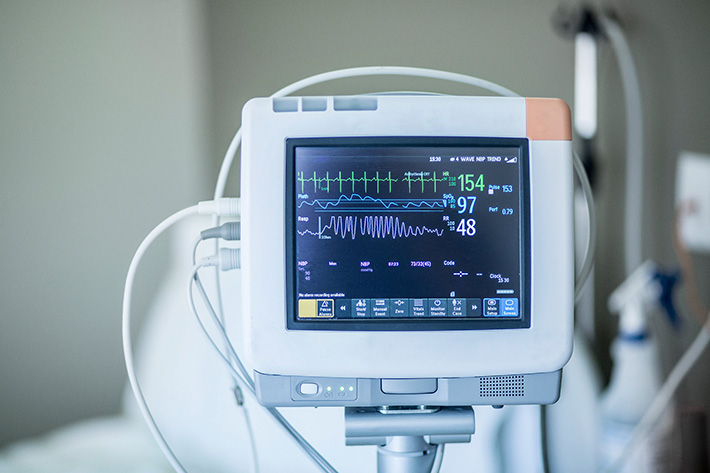
Telemetry, in broad terms, is the science of electronically monitoring a patient’s vital signs. This is most commonly done via a telemetric monitor which displays a patient’s heart rate and rhythm.

How long does it take to complete a telemetry certification course?
The lengths of training programs and courses can vary significantly depending on the organizations offering them, as well as what the program prepares you for. If you go with one of the convenient online courses available, and physical training courses that supplement your online learning, you can be fully certified within 1 – 5 months, depending on your prior medical experience. As an example, the certification course offered by the National Telemetry Association is self-paced, must be completed within 6 months, and is intended for applicants with no prior knowledge.

Are certification courses/tests difficult?
While there are many elements of a telemetry technician’s job that aren’t as cut and dry as just reading and noting down numbers, the difficulty of your course depends entirely on the testing body that will administer your final exam and eventually grant your certification. As a general rule, most accreditation tests will allow multiple attempts within a certain period, so you shouldn’t be too worried about difficulty. As an example, the NTA online course final exam requires candidates to score at least 85 percent in order to receive their certification.

What profession does a telemetry certification prepare me for, and what does the job entail?
A certification qualifies you to work as a telemetry or monitor technician. It is a telemetry technician’s job to monitor the electrical signals that represent a patient’s heart activity, and identify rhythms as well as the signs of cardiovascular issues. As a technician, you also become well acquainted with the essential equipment (the monitor and electrodes), and you are expected to be able to troubleshoot issues with both to a reasonable degree. While most of your expertise will come with hands on experience, The basic process you’re engaged in involves the following:

  • Identifying where to attach electrodes in order to effectively monitor a patient’s heart activity.
  • Attaching the electrodes.
  • Interpreting readings on the monitor.
  • Identify potential health risks, such as cardiac arrhythmia.

A telemetry technician’s duties may involve monitoring critically ill patients who are in or have recently been discharged from the ICU. For patients such as these, and others, a technician’s ability to identify issues through what they see on their monitor may be critical to saving their lives.

We hope that answers some of the questions you may have had regarding telemetry certification. If you have a specific question that wasn’t covered in this article, please feel free to reach out to us here.

Get Your Certification

Gain expertise, knowledge and invaluable skillsets with courses in medical health such as telemetry at Phlebotomy Career Training. Certifications through the PCT provide ample verification that students meet and exceeded national standards. This is because our classes are small, our educators are experienced, and our commitment to patient safety is a top priority. Your career in medical health is supported by national organizations such as the NAPTP which offers a world of opportunity and secure careers to our graduating students.

Our courses include phlebotomy, cardio-phlebotomy, dialysis technician, medical assistant, patient care technician, medical billing and coding, pharmacy technician and so much more, including several tiers and various certifications within. If you are considering a medical health career, Phlebotomy Career Training is the place. Questions or want to learn more? Call and speak to a program specialist today!

Categories
Uncategorized

RN’s can use NAPTP’s Phlebotomy National Certification for 16 Continuing Education Hours (CEHs)

phlebotomy certification

Medical practitioners are required to continue their education after getting into their careers. Managing their professional workload and the educational requirements can prove quite the task, even for veterans in the field.

The National Association of Phlebotomy Technician Professionals is a nationally accredited body that provides different kinds of professional certifications that can help you along in your career or help qualify you to practice an unfamiliar discipline.

The requirements for taking the NAPTP phlebotomy exam include comprehensive job experience, an understanding of rules of procedure, HIPAA and OSHA regulations, and more of what a certified phlebotomist needs to know.

For registered nurses, the course offers an opportunity to learn about recent developments within the field of phlebotomy, helping them conduct blood draws and take samples effectively, efficiently, and without incident. It also provides them with an added notch on their belt in the form of a national certification, which can help distinguish them from other candidates in the running for a particular job listing. Since the entire course is online, students can pace themselves according to their own schedules, making it more accommodating for professionals with odd hours.

Beyond the benefits of the exam itself, the course is also a great chance for currently practicing nurses to earn plenty of continuing education credits. The NAPTP is allowed to grant up to 15.5 CEHs to any successful candidate through the National Telemetry Association (NTA), accredited by the Commission for Accreditation of Pre-hospital Continuing Education. To be considered a successful candidate, a student must obtain at least an 85% score on the online test, after which they will be mailed their certification within 7-10 business days, along with a patch to sew onto their lab coats.

If you’ve been on the lookout for other certification courses, the NAPTP has a few others on offer that you should check out. These include a Review Course and Exam that helps test takers who aren’t familiar with recent course material prepare for the actual certification test and an immunization course and exam that deals with aspects of vaccination procedures and protocols.

If you’d like to learn more about the courses and exams offered by the NAPTP, click here to send in a query through their contact page. You can also find additional information regarding courses, as well as recent developments in the field of phlebotomy, on their website if you’d like to know more.

Categories
Uncategorized

Purchase the In-House Phlebotomy Training Separately from the Courses at Phlebotomy Career Training

The Phlebotomy Technician courses offered at the Phlebotomy Career Training include a virtual simulation kit (VSK) for students who cannot access internships in their area for any reason. This phlebotomy training kit has made it easier for students to practice venipunctures at home without going to any medical facility for training. But what about those who still need to register for the courses? Are these kits only for the students enrolled in the courses offered at Phlebotomy Career Training?Fortunately, anyone can now buy the in-house phlebotomy training kit and practice as much as they want at home. You just need to place your order at the Phlebotomy Career Training website, and it will be delivered to your address within 5 to 7 business days!

Phlebotomy Career Training Has Made a Virtual Simulation Kit Within Everyone’s Reach at the Fairest Prices!

Phlebotomy Career Training is a leading institute offering a wide range of medical careers and certifications and understands the educational applications that virtual simulation offers in the medical field. The aim is to make training possible and accessible to all. Many students do not register for courses like phlebotomy technician and IV technician because they involve internships, including a set of venipunctures, which students need to complete in a medical facility or center. Offering a virtual alternative to students has solved this issue. Now, anyone can pursue their passion and become a professional certified phlebotomist.Upon registration to the Phlebotomy Technician Course, students get a kit for free, which they can use to practice drawing blood.But the best part is that students can purchase the phlebotomy training kits separately from the courses to continue their practice. So if you’re not registered for any of the courses offered at Phlebotomy Career Training, you can still purchase the kit.Although purchasing a VSK separately from the course can be costly, it is a good investment that allows you to practice as much as you want and refine your phlebotomy skills.

Purchase the In-House Phlebotomy Training Kit at the Phlebotomy Career Training Website

Visit the website to purchase your kit, and it will be at your doorstep within 5 to 7 days after the purchase.The kit includes all the supplies required for phlebotomy, including different colored tubes, straight and butterfly needles, and different additives; hence everything you need to practice order of draw.Call (734) 762-3220 or visit the website for more information!

Choose your Path

Get started on a medical health career at Phlebotomy Career Training. With so many different courses to choose from, you can create your own path to a long-term career always in demand. A certification in phlebotomy provides a solid foundation to other tiers and fields within healthcare such as patient care, medical assistant certification, medical coding and billing to name a few. skill-set that is always in high demand.

Phlebotomy Career Training nurtures a specialized skill set with small class sizes and educators that are experienced in the field ensuring students get the training and acquire the skills needed for success.Our affiliations with national organizations and accreditations sets us apart from other schools and the way we operate is by putting patient safety as well as employee safety first.

To learn more about guidelines and standard practices in phlebotomy from the naptp, telemetry (NTA) and IV certifications (NIVA)call and speak to a program specialist today!

Categories
Uncategorized

5 Reasons a Phlebotomy Certification Can Advance Any Medical Career

phlebotomy

Are you researching medical careers and wondering what’s right for you? Have you considered getting a phlebotomy certification?

Phlebotomists are an essential part of a medical team. They work in doctors’ offices, hospitals, clinics, and diagnostic centers.

Their chief responsibility is drawing blood samples from patients. They prepare samples for lab tests, blood transfusions, and medical research. Workers in this field are in demand, and this trend is only expected to grow.

Phlebotomy certification can lead to steady employment and other opportunities in the medical field. If you’re considering medical jobs, phlebotomy certification is a good first step.

Here are 5 ways phlebotomy certification can advance your medical career.

1. Quick Certification

You can begin pursuing career opportunities right after completing a phlebotomy course and earning certification. Most employees prefer to hire certified phlebotomists.

Earning a phlebotomy certification may increase your chances of getting a better job and better pay. In time, you may be able to advance to a management or supervisory position.

2. Pursuing a Specialization

Once you obtain a job as a phlebotomy technician, you can work to advance your medical career by pursuing certification as a specialist. As a specialist, you can earn more money and have better job security.

Many certified phlebotomists choose to advance their phlebotomy careers by choosing a specialty area and taking a certification exam.

3. Advancement as a Nursing Professional

Many people choose to pursue phlebotomy certification to gain an entry-level job in the medical field. It’s a great way to gain some experience. You can start your medical career and earn money while you pursue a degree or nursing certification.

If you haven’t chosen a medical specialty, working as a phlebotomy technician is a great way to determine your area of interest for the future.

4. Work in a Growing Field

The population is aging, and the need for medical care is growing. There’s a great need for phlebotomy technicians who play a vital role in patient care.

Getting a phlebotomy certification can provide job security. In a growing field, it can be a stepping stone for future opportunities.

5. Be an Asset to the Medical Field

The medical community needs phlebotomy technicians. They provide a necessary service and are an essential part of a patient care team.

Blood tests and diagnostic tests are critical for good patient care. Doctors use these tests to make a diagnosis and prescribe the right medication or treatment.

Working in the medical field can provide a sense of satisfaction. It’s a great feeling knowing you’re using your skills and training to help people every day.

Obtaining Phlebotomy Certification

Deciding to obtain a phlebotomy certification allows you to work in a growing field and advance your career or specialty. You get to help countless patients who count on you to perform important tests their doctors have ordered.

If you’re looking for medical careers that provide a quick certification and opportunities for growth, phlebotomy may be the perfect choice.

The National Association of Phlebotomy Technician Professionals leads the nation in certifying phlebotomists and phlebotomy technicians. If you’re interested in phlebotomy careers, take a look at our course and exam options and register here.


Categories
Uncategorized

What Is Phlebotomy? What Does a Phlebotomist Do?

what is phlebotomy

About 4.5 billion Americans require blood transfusions per year. In all of these cases, a phlebotomist must draw and transfuse the blood into the patient. This in addition to simple blood testing makes phlebotomy one of the most important medical fields.

But what is phlebotomy, exactly? That’s what we’re going to talk about here, so read on for a comprehensive phlebotomy guide.

What Is Phlebotomy?

Phlebotomy is the science of drawing blood from patients so that it can be analyzed in a medical laboratory. They also prepare blood for transfusions between multiple patients. Additionally, phlebotomists are the professionals who collect blood for blood drive donations.

In addition to drawing blood, the duties of a phlebotomist include:

  • Talk with patients prior to, during, and after blood draws/transfusions
  • Explain what blood draws/transfusions will entail to patients
  • Maintain patient blood samples through the testing process
  • Track patient blood samples as they are transported and tested
  • Help other medical professionals with blood-related procedures

Phlebotomists can also ensure that hospital safety standards are met and take vital signs prior to blood draws.

Why Is It Important?

Drawing and testing blood is the first step towards diagnosing many illnesses in a patient. It lets you determine what the best course of treatment will be for someone’s specific health issues. Whether a patient is anemic or might be fighting leukemia, phlebotomy is the first step towards getting this information.

Blood transfusions also can be life-saving operations for patients with health issues. You can give healthy blood to those who are ill with diseases of the blood. Phlebotomy is critical because it allows these lifesaving treatments to take place.

Becoming a phlebotomist is also important to your career if you’re looking to get into the medical field. When you train to be a phlebotomist, you’ll learn essential medical information such as how to read patient vital signs and conduct interviews with them.

It can take as few as seven months to become a phlebotomist, which means that it’s a quick way to kickstart a career.

Becoming A Phlebotomist Or Technician

To become a phlebotomist (or phlebotomy technician), you’ll need to undergo rigorous training. The purpose of this is to ready you for working with patients of all types. You will learn how to work with blood and samples, talk to medical patients, and analyze and assess health problems.

This means that you must take the National Association of Phlebotomy Technician Professionals (NAPTP) certification exam. You can pass with an 85 percent or higher score.

Before taking the exam, you must usually have 65 live blood draws within two years of the exam. However, you can also have 30+ blood draws while being a recent phlebotomy graduate (within the past six months). Regardless, you must understand and consent to the NAPTP code of ethics.

You can also purchase a hard copy or PDF of additional review materials to ensure that you are best prepared.

Get Phlebotomy Certification Today

So, what is phlebotomy? It’s a great way to help patients and kickstart your medical career.

Now that you know all about phlebotomy and how you can prepare to become a technician, it’s time to get started. Contact us with any remaining questions about phlebotomy certification and how you can kick off your career.

Categories
Uncategorized

4 Benefits of Phlebotomy Certification for Medical Assistants

medical assistants

Are you a medical assistant looking to grow your career?

Medical assistants may not get the attention of doctors and nurses, but they’re among the most essential workers in healthcare, performing any number of small tasks that make it possible for doctors and nurses to do their jobs. One such task is blood draws–a task that’s performed all the time in doctors’ offices but actually requires skill and certification.

The good news? You can get the skills you need (and the career growth you want) with a phlebotomy certification. Here’s a closer look at what a phlebotomy technician does and why it’s worth pursuing a certification.

What Does a Phlebotomy Technician Do?

Phlebotomy, sometimes called venipuncture, is an important tool to diagnose a variety of medical conditions. It’s also a commonplace procedure–phlebotomy is simply puncturing a vein, usually in the patient’s arm, to draw blood. This may be performed for blood tests in a medical laboratory, but it can also be used as a treatment for certain medical conditions like sickle cell disease or hemochromatosis.

A phlebotomy technician, or phlebotomist, is someone certified to perform phlebotomy. On any given day, a phlebotomist may:

  • Prepare patients for blood draws
  • Guide nervous patients through blood draws
  • Conduct blood draws or transfusions
  • Assist patients experiencing adverse reactions
  • Identify, label, and track blood samples
  • Gather, inventory, and maintain blood draw supplies

Essentially, you’re responsible for all elements of blood drawing or transfusion–and caring for patients through the process.

Benefits of a Phlebotomy Certification for Medical Assistants

A variety of medical professionals can benefit from a phlebotomy certification, from RNs and LPNs to EMTs. For medical assistants, a phlebotomy certification has even more benefits, ranging from increased marketability and earning potential to more opportunities for patient care.

Increased Salary and Potential for Advancement in a Fast-Growing Field

Phlebotomy is considered a vocational skill requiring specialized training. For medical assistants, it’s a simple but indispensable skill that opens a lot of doors.

Because phlebotomy is needed in most healthcare settings, from private practices to hospitals to laboratories, a phlebotomy certification allows you to work as a specialized worker in a huge array of healthcare settings.

Plus, your skills are in high demand. Medical assistants already work in a field with a 19% growth rate. Phlebotomists have 17% career field growth (much higher than average across all fields) but they also earn more money than medical assistants.

It’s Easy for a Medical Assistant to Become a Phlebotomy Technician

While phlebotomy is a specialized skill set, it’s relatively easy for a medical assistant to gain a phlebotomy certification, especially in comparison to pursuing a nursing license. On average, phlebotomy vocational training only takes a few short months.

After that, you take an exam. At the National Association of Phlebotomy Technician Professionals (NAPTP), the gold standard for phlebotomy certifications, our exam consists of 100 questions covering everything from clinical competency to order of draw to HIPAA and OSHA regulations.

Making Patients Feel Comfortable

Above all, your job as a phlebotomy technician is about patient care. If you’re a medical assistant that wants to be more involved in direct medical care, a phlebotomy certification gives you the opportunity for more medically involved procedures–and the chance to work with patients during those procedures.

Colleagues with a Passion for Patient Care

Last but not least, a phlebotomy certification gives you the chance to work with colleagues who share your passion for patient care.

Because you interact directly with patients, and because many people are nervous about blood draws, patient care is half of the job. Your certification lets you work with colleagues who share your passion for patient care while also being more involved in the actual process of medical care.

Getting Your Phlebotomy Certification

For medical assistants who want to grow their careers while caring for patients, a phlebotomy certification is one of the best investments you can make.

NAPTP is the gold standard in phlebotomy certifications. We were established in 1998 to help set national guidelines for patient safety in blood draws and blood testing, and we’ve helped thousands of phlebotomists gain the tools they need to excel in their careers. If you’re ready to make an investment in your career, click here to register for your exam and review course.

Categories
Uncategorized

The Growing Demand for Phlebotomy Professionals: Job Market Insights from NAPTP

If you’re looking for a career in the health field that you can enter rapidly, and with good job prospects in the coming years, consider becoming a phlebotomy technician.


The phlebotomy demand is predicted to be favorable within the next decade, making this field worth a closer look. Learn what phlebotomy technicians do, what the demand is for phlebotomists, what opportunities you can expect to find, and why getting certified will boost your job prospects.


What Phlebotomy Technicians Do

Also referred to as phlebotomists, and in some circles pharmacy or lab technicians, phlebotomy technicians work in health and laboratory settings to draw blood samples for therapeutic or scientific purposes, including tests, blood donations, transfusions, and research. They can work in a variety of settings, including blood mobiles, hospitals, research labs, doctors’ offices, and other locations.


Important skills and qualifications for this job include:


  • A desire to help others
  • The ability to follow procedures accurately
  • Attention to detail
  • Ability to put others at ease
  • Commitment to following safe practices
  • Being comfortable in a health or lab environment


People who have received phlebotomy training, such as at a community college or a specialized vocational school, who have completed a set number of blood draws, and who have been certified to perform this work are good prospects for becoming phlebotomy technicians.


A Look at the Phlebotomy Demand

In the coming years, the phlebotomy demand for individuals who are skilled and certified is predicted to be robust.


According to the U.S. Bureau of Labor Statistics’ occupational outlook handbook, the job outlook for phlebotomists in the coming years is faster than average.


  • Between now and 2031, phlebotomy demand is expected to increase by 10%, which is a faster than average rate compared to other careers.


In 2021, there were approximately 135,500 phlebotomists working in the field, and this number is expected to grow each year through the next decade.


Key Job Market Insights


  • Approximately 21,500 new openings are expected for phlebotomy technicians each year through 2031.
  • Many of these openings will result from people transferring to other positions or retiring.


Job Opportunities for Phlebotomy Technicians

Once you’ve received the right kind of training, you’ve performed enough blood draws, and you’ve been certified, where can you work?


Job opportunities for phlebotomy technicians include working in any of these areas:


  • Research institutes
  • Hospitals
  • Health Clinics
  • Doctors’ practices
  • Clinical laboratories
  • Research labs
  • Pharmacies
  • Blood donation centers
  • Assisted living facilities
  • And other locations


Importance of Phlebotomy Certification

Because many employers seek phlebotomy technicians who have achieved professional certification, it’s important to become certified. Doing so can qualify you for more positions, including higher paying ones.


Being certified by the NAPTP, the National Association of Phlebotomy Technician Professionals, involves taking an exam that shows employers you are qualified to do the job with a strong degree of competency.


The NAPTP exam is an online, proctored exam you can study for at your own pace. The exam itself takes two hours to complete. Passing it with 80% or higher gives you certification, which is then recorded online and can be easily verified by the employers you’re applying with.


You can maintain your certification by taking the renewal test every two years.


About NAPTP

The National Association of Phlebotomy Technicians is the organization behind the NAPTP exam, recognized as the gold standard for phlebotomists. We are the leading organization in the nation for certifying phlebotomy technicians.


Whether you’re getting certified for the first time or renewing your certification, we can help. Learn more about what you need to know to take the NAPTP exam.

Categories
Uncategorized

Benefits Of Getting a Phlebotomy Certificate for Healthcare Professionals

Are you a healthcare professional interested in taking your career to the next level?

A phlebotomy certificate may be the perfect option for you. Phlebotomists are highly sought after, and getting certified has many benefits – from increased job opportunities to higher salaries.

Phlebotomy is the art of making incisions in a vein, commonly found on the arm, to extract blood with a cannula for diagnostic testing.

In this article, we’ll explore the advantages of enrolling in a phlebotomy certification course to help you reach your career goals as a healthcare professional.

Improves Your Employability

Attaining phlebotomy certification for healthcare professionals is an excellent way to improve employability. This certificate demonstrates an individual’s commitment to the profession and can be an attractive selling point for potential employers.

Furthermore, earning a phlebotomy certificate indicates an aptitude for carrying out medical tasks such as the following:

  • venipuncture
  • fingerstick sampling
  • IV insertion
  • specimen collection with precision and safety
  • ensuring safety protocols are followed

These are skills that any healthcare organization highly values. In addition, many states now require workers in the field of phlebotomy to have undertaken professional training, and acquiring a phlebotomy certificate is not only beneficial but also essential.

A good education provides knowledge and experience of techniques used in this role which assist in developing problem-solving skills during clinical practice.

It also enhances job security within this career path and increases job opportunities available. Therefore, gaining phlebotomy certification for healthcare professionals is an excellent move for those who want to advance in their vocation and become invaluable team members.

Your Professionalism Will Put Patients At Ease

A phlebotomy certification allows you to work in medical facilities and is directly beneficial to patients, as it enables the technician to interact with them within the lab setting.

Your professional manner and expertise will ease those undergoing phlebotomy procedures, so they can more easily go through the process with minimal stress or anxiety.

Further, being well-versed in your profession allows you to provide an accurate explanation of what is taking place during their time in the facility, whatever their procedure may be.

So, taking a phlebotomy certification course is invaluable for yourself and those receiving your care.

It’s Easy To Get Certified

Phlebotomy certification for healthcare professionals is a simple and streamlined process.

With a self-paced, 100% online course, you can get the best-in-class industry education that will equip you with the skills and knowledge needed to pass the NAPTP exam and become a successful professional in this specialized field.

Coupled with conveniently available PDFs, modules, and videos for study, you can take charge of your career by getting the certification employers are looking for. Whether you’re interested in health care or already work in the industry, investing in a phlebotomy certificate makes sound economic sense.

Sign Up For A Phlebotomy Certification Course Today

A phlebotomy certificate can be the career booster you need. It is an affordable way to add credentials and broaden your resume for healthcare professionals looking to move into more advanced care roles.

With its virtually universal application, it is one of the most important certificates that you can earn as a healthcare worker.

Sign up for a self-paced phlebotomy prep course today to start working towards certification and boosting your career.

Phlebotomy certification for healthcare professionals can open doors not only within healthcare organizations but on the job market too – take advantage of this valuable opportunity today.

Thanks for reading.