Categories
Uncategorized

How To Get a Phlebotomy Certification As a Home Health Aide

Phlebotomy Certification

Are you interested in getting a phlebotomy certification, but aren’t sure where to get started?

If you’ve been feeling stuck in your career, you don’t have to feel that way forever. Getting a phlebotomy certification as a home health aide will help you to advance your career and open up more opportunities for you.

If you want to learn more about phlebotomy and how to pass the test, we’re here to help you. Keep reading to learn more!

How Long Does It Take to Get a Certification?

It doesn’t take too long for you to get your certification as a home health aide. You can expect this entire process to only take about one year to be complete. However, the length of time that it takes for you to complete your certification will depend on the type of school you attend and how much time you dedicate to it.

There are some programs out there that can take as little as eight weeks for you to completely finish. In addition, you’ll have to complete the instructional and clinical hours that your program training requires. This is necessary for you to do, so you can receive your NHA phlebotomy certification.

What Do You Need to Receive a Certification?

After finding an accredited certification program, you’ll want to make sure you have everything you need to complete the course. As a home health aide, you’ll have some previous medical knowledge. There are several important components you need to have to successfully complete your certification.

It’s important for you to have:

  • GED or high school diploma
  • CPR certification
  • Patience
  • Compassion
  • Attention to detail

Working towards your phlebotomy certification as a home health aide will provide you with many opportunities in your future.

Why Should You Get a Certification?

Without your certification, as a home health aide, you won’t have as many opportunities available to you. As the job market continues to become more challenging, it’s important for you to keep your resume stockpiled with useful skills. Some employers may have a preference that you have a phlebotomy certification.

By having a phlebotomy certification, you’ll show your current (or future) employer that you have the skills, knowledge, and experience to work for them.

Where Should You Get Your Certification?

You can get your certification online through NAPTP. They offer exams and courses online that follow alongside HIPAA and OSHA regulations. With the final exam, you’re required to take, you’ll have two hours to take it. As long as you have an 85% or higher on the exam, you’ll receive your phlebotomy certification and patch to wear.

Understanding How to Get Your Certification

As a home health aide, understanding how to get your phlebotomy certification can really help to open up a lot of doors for you.

Want to learn more about how to begin taking your phlebotomy certification exam? Contact us today to learn more!
Categories
Uncategorized

Phlebotomy vs. CNA: What Are the Differences?

phlebotomy vs. cna

If you’re looking to get into healthcare, you’re making a great choice- it’s the fastest-growing market in the US economy. Still, if you’re going to join the ranks of these 18 million workers, you’re going to need to choose the right path for your journey towards being a medical professional.

Phlebotomy vs. CNA is an important distinction since these are two of the most popular entry-level positions in the medical sector. Read on to learn how these two positions are different in both their duties and requirements.

Defining Phlebotomy vs. CNA

Phlebotomy is the practice of drawing blood from patients to send for lab work. A phlebotomy technician is trained in how to appropriately draw, handle, label, and store blood. They also learn how to send it for professional assessment and analysis.

Phlebotomy technicians also may draw blood for purposes other than lab work. This includes blood donation and transfusion.

A certified nursing assistant (CNA) is an entry-level healthcare position that helps patients with direct care needs. They work under the supervision of a nurse and help with manual tasks for patient care. Such jobs might include assisting with mobility needs, cleaning bodily fluids, talking to patients, and ensuring their comfort.

Job and Duties

As you might expect, the duties of a CNA are much broader than those of a phlebotomy technician. While phlebotomists are solely responsible for blood-related endeavors, CNAs focus on broader patient care. They may help to bathe them, serve them meals, or assist them with moving around the room.

CNAs therefore work directly with patients far more often than phlebotomists do. Phlebotomists only usually interact with patients during the process of drawing blood. Other facets of their job such as blood storage and transportation require a lot of technical knowledge but little patient interaction.

Education, Certification, and Experience

To become a phlebotomist, you will need to attend accredited courses like those NAPTP offers. These courses take about six weeks and are fully online. They will prepare you to sit for the phlebotomy exam.

There are multiple tiers of phlebotomy professionals. Limited phlebotomy certification, CPT I, and CPT II all have their own requirements. Make sure that you know what you’re working toward and what you will need to do to achieve your goals.

CNAs need to complete an approved nursing assistant program. This is generally in-person and can range from a few months to a year. After completing this program, they will need to complete a state-specific nursing exam.

Become a Certified Phlebotomist Today

Now that you know the difference between phlebotomy vs. CNA duties, it’s time to begin your journey towards medical work. The National Association of Phlebotomy Technician Professionals (NAPTP) offers the training and exams needed to become a certified phlebotomist.

Our experts are committed to preparing you for blood draws, working with patients, and implementing appropriate storage and handling techniques. Contact us with any lingering questions that you have about becoming a phlebotomy professional.


Categories
Uncategorized

Everything to Expect from Phlebotomist Training

phlebotomist training

Are you considering a career in the healthcare industry? Are you hoping for a rewarding job that doesn’t require years of training?

Phlebotomy is a popular field with a promising future. Phlebotomist training can lead to a job working in a hospital, medical lab, or other healthcare facilities. Before you can enter the field, you must receive the proper phlebotomist training.

If you’re considering becoming a phlebotomy student, you should know what to expect. Here’s a look at what you need to know about becoming a phlebotomist.

What Does a Phlebotomist Do?

Phlebotomy technicians play a vital role in the healthcare industry. They are an essential member of the patient care team and are responsible for drawing blood and preparing blood products.

Some ways they collect blood include venipuncture, finger pricks, and heel pricks. Doctors order blood tests for their patients to be used for medical tests, blood transfusions, or blood donations.

Duties of a phlebotomist include:

  • Drawing blood
  • Talking with patients to calm their nerves
  • Verifying the patient’s or donor’s identity before labeling blood products
  • Labeling blood tubes for processing and testing
  • Entering patient information into a database
  • Assembling and maintaining medical items
  • Keeping their work area clean and sanitized

Doctors depend on the tests phlebotomists perform. Blood tests are a critical aspect of patient care and essential for proper diagnosis and treatment.

Skills You Learn in Phlebotomy Training

Students in phlebotomy schools study a variety of topics. Topics vary from program to program but often include:

  • Communication skills
  • Documentation skills
  • Medical terminology
  • Infection control
  • Anatomy
  • Techniques for venipuncture and capillary collection
  • Specimen processing and handling

There are convenient online options for phlebotomy training. The right training and phlebotomy certification can help you get a steady and rewarding job as a phlebotomy technician.

How Much Does Phlebotomy Training Cost?

If you’re looking for a healthcare job with relatively short training at an affordable cost, phlebotomy may be a perfect choice. Training programs run from a few hundred to a few thousand dollars, depending on the option you choose.

Phlebotomy classes are available in technical schools, community colleges, universities, or online. You can complete a phlebotomy training program in as little as several weeks to a year.

Completing the required coursework typically leads to a diploma or certificate and will help you prepare for phlebotomy certification exams.

Online phlebotomy courses allow you to train for a new career from the comfort of your home. Most phlebotomy programs require some clinical practice for completion.

Get the Best Phlebotomist Training

Phlebotomists are in demand in today’s healthcare industry. They provide a valuable service to patients and doctors alike.

They perform crucial blood draws and process blood products necessary for patient diagnosis and treatment. They put nervous patients at ease as they undergo medical testing.

Getting the best phlebotomist training can provide you with a promising career and a bright future in the healthcare field. If you want to learn phlebotomy techniques, we have a variety of courses available.

Contact the NAPTP today to learn more.


Categories
Uncategorized

How to Become a Phlebotomy Instructor

In a medical setting, the practice of phlebotomy deals with drawing blood from a vein. A phlebotomist collects blood samples and prepares them for testing. The work can be done in a hospital, clinic, lab, or doctor’s office. A phlebotomist can also work at a blood donation center.


Phlebotomy instructors teach people how to become competent, skilled phlebotomists and phlebotomy technicians. Learn how to become a phlebotomy instructor who promotes patient safety and teaches accepted procedures.

What Phlebotomy Instructors Do

A phlebotomy instructor plays an important role in the field of medicine. The instructor teaches phlebotomy students the techniques they’ll need to do their jobs effectively. If you’re interested in this career path, you’ll need phlebotomy instructor certification to be able to teach students how to perform their responsibilities skillfully.


As an instructor, your duties will include:


  • Teach and prepare phlebotomy students
  • Train students how to draw blood correctly
  • Share how to interact with patients appropriately
  • Educate on the right way to prepare and analyze samples
  • Mentor future phlebotomists
  • Answer questions thoroughly, in a helpful manner


Your students depend on your expertise, as well as your ability to teach phlebotomy skills patiently and effectively.

Learn How to Become a Phlebotomy Instructor

To become an instructor, you first need to be an experienced phlebotomist. You will tap into your years of experience to share your knowledge with new phlebotomy students.


After you have earned a phlebotomy degree and worked in the field for a few years as a licensed phlebotomist, you are qualified to enroll in a certification program and take an exam to become an instructor.


Working as a phlebotomy instructor, you’ll be in a healthcare setting or an educational institution, such as a community college or a specialized vocational school.


Experienced, licensed phlebotomists wondering how to become a phlebotomy instructor will be happy to learn that certification programs are available online, making it convenient to become an instructor.

About Phlebotomy Instructor Certification

The National Association of Phlebotomy Technician Professionals (NAPTP) offers a way to become a certified phlebotomy instructor that appeals to many busy professionals.


The NAPTP Phlebotomy Instructor Certification course is a fully online, self-paced program that provides nationally recognized certification. Because it is self-paced, it enables working phlebotomists the opportunity to fit instructor training into their existing schedules.


There are many advantages to earning phlebotomy instructor certification online. They include:


  • The ability to work around your current schedule
  • A way to move forward in a self-paced approach
  • Working towards certification at a speed that’s comfortable for you
  • You can complete the program from your desktop
  • You can also access the course through your mobile device when you’re on the go
  • Full access to an extensive curriculum
  • Modules focus on educational methods to turn you into an effective instructor


This course also teaches you how to become a phlebotomy instructor who meets the needs of all students, including any who need additional accommodation. Learning theory is interwoven throughout each module to help you become a top instructor skilled in both phlebotomy and teaching.

Learn More

Whether you’re ready to start working toward your phlebotomy instructor certification, or you’d like to learn more about taking the exam and becoming NAPTP certified, reach out today

Categories
Uncategorized

Licensed Practical Nurses Can Now Earn their IV Certification and Get CEU’s


If you’re a registered nurse in the US, Phlebotomy Career Training has an opportunity to earn those much-needed continuing education units (CEUs) while also getting a qualification that helps take you further as a medical professional.

We’re referring to PCT’s IV Technician Certification, an entirely online certification that helps brief you on the legal aspects of intravenous insertion and flushing, the principles surrounding it, the safety precautions involved, hazards, and treatment. The course also reviews Occupational Health And Safety Administration (OSHA) protocols. It discusses in-depth the equipment involved in venipuncture and the physiology and psychology of a person who has been treated via IV.

The comprehensive course spans roughly 30 hours of instruction and 10 hours of practice sessions. Of course, since the course is online, these practice sessions are carried out with a camera and an intravenous mannequin arm. The arm mimics the structure of a real arm and is meant to be used to practice procedures in the presence of an instructor. The instructor then provides feedback regarding improvements and important considerations.

As one of the many fully online courses in PCT’s catalog, the IV Technician course is designed to accommodate the busy schedule of the working adult. You have six months from the date of purchase to complete the entire course, giving you ample time to finish the 40 hours of material. Students are also given a copy of the national IV Technician exam guide, and the course helps prepare them to take the exam. The web-based course is accessible via mobile, desktop, and tablet and is available to students 24/7.

The course is intended for individuals who’ve already been practicing as a phlebotomist, medical assistant, registered nurse, LPN, NP, PA, MD, dental hygienist, dentist, EMT, Paramedic, or Fire Fighter, and also requires prior knowledge of patient care and venipuncture.

The material covered in the course is of particular benefit to nurses who form the frontline of healthcare. The precautions, hazards, and treatments discussed in the course help provide in-depth knowledge regarding critical aspects of care.

Upon successfully completing the course, students are also entitled to CEUs accredited by the National Telemetry Association through CAPCE. The credits serve to showcase that you’ve been putting in hours to keep your skills at the cutting edge and help further qualify you as a medical professional.

The IV Technician course is only one of the many courses PCT has to offer, including a 20 certification bundle, strictly for in-classroom students. Other courses available in medical health offered at Phlebotomy Career Training include; Cardio-Phlebotomy Technician, Pharmacy Technician, Electrocardiogram Technician, Dialysis Technician, Medical Assistant, Patient Care Technician, Medical Coding and Billing and more! So many options pave the way into many different careers so that you are never without a job choice.

A national certification through the NAPTP is included with most programs. Having an extra level of certification does wonders for your resume as well makes you a desired candidate above others.

If you’d like to know more about the IV Technician Certification course, or any of the other courses offered by PCT, consider visiting their website or dropping by their location in Garden City, Michigan.

Categories
Uncategorized

Why All Dialysis Technicians Should Get a Phlebotomy Certification

The dialysis market has a roughly $61 billion market size and is growing at a 6% rate. If this is a field that you work in, your services are in demand and you can take solace in the fact that you help people every day. 

Getting certifications in your field will help you grow in your career and add to your toolkit. Phlebotomy certifications can be a valuable addition to your skills, and there are plenty of schools that can help you get certified. 

Keep reading to learn more about why dialysis technicians should consider getting a phlebotomy certification to bolster their career. 

Dialysis Technicians With Phlebotomy Certifications Earn More

Money isn’t everything, but it’s a huge deciding factor in everyone’s career. When you add a phlebotomist certification to your skillset, you can command a greater salary and take on new and different jobs. 

The earning potential increase that comes with a phlebotomy certification is a reason that it’s popular for professionals that work as medical assistants, emergency medical technicians (EMTs), home health aides, surgical techs, and even veterinary techs. 

It’s Possible to Get This Certification on Your Time and Terms

You’ll love the fact that you don’t have to dedicate years of time and money to get a phlebotomy certification. The coursework can be completed in as little as 15 weeks, and once you pass the exam, you’ll get a certification that you can use immediately. 

In this day and age, studying online is par for the course, so you shouldn’t have a problem finding a quality phlebotomy certification program. There is plenty of flexibility when it comes to taking these courses, so you can put in a little bit of time each day or week until it’s completed. 

These Career Professionals Are Highly in Demand

Adding skills to your toolkit is essential in an career path because it keeps you valuable and necessary. Getting a phlebotomy certification is no different, and you’ll appreciate the many job opportunities that come with it, since it’s a skill that is highly in-demand. 

The phlebotomist career path has a 22% job outlook for the next several years, which is leaps and bounds faster than most jobs. Whether you’re looking to stay in your local area or thinking about relocating, you can take this certification with you and fill one of the many different positions available. The job is versatile and intriguing each day, which is yet another reason that you’ll appreciate it.


Do What’s Best For Your Growing Career

As you can see, dialysis technicians can appreciate growth in their career path that will be useful to you. When you stay ahead of the game with your career, you’ll be in the right place at the right time when opportunities come along. 

The National Association of Phlebotomy Technician Professionals (NAPTP) is the standard-bearer for phlebotomy professionals. This organization works tirelessly to set and refine guidelines for people in this career path, for the protection of both the professional and the patient.  

Fill out our form to contact us online, and make sure to subscribe to our newsletter. 

Categories
Uncategorized

How To Expand Your Career As a Surgical Tech With a Phlebotomy Certification

Phlebotomy Certification

As a surgical technician, you see patients during critical junctures in their health, and you help doctors and nurses ensure that they recover successfully. It’s a deeply rewarding role for those who want to work in operating rooms without years upon years of medical school debt. Of course, it also means you have a specific area of patient care–and for those who want a more hands-on role with patients, it can be frustrating. That’s where a phlebotomy certification can make a world of difference.

Not only do you get to interact with patients in a whole new way, you also get a specialized, highly prized skillset on your resume.

If you’re a surgical tech ready for growth, here’s what a phlebotomy certification can offer you–and how to get one.

Why Surgical Tech Jobs Benefit from a Phlebotomy Certification

As a surgical technician, everyone from surgeons to nurses to anesthesiologists count on you. You’re the one who makes their work possible, preparing the operating room for surgery, preparing the patient, arranging equipment and ensuring that surgeons have the tool they need when they need it.

But there’s one area where you can’t assist surgeons: drawing blood. Unless you’re certified as a phlebotomy technician, that is.

A certified phlebotomist is responsible for working with blood–preparing a patient for blood draws, drawing blood, ensuring blood is stored correctly, and transporting blood samples. It’s a seemingly simple procedure that’s critical to healthcare, especially in surgery. After all, blood tests are used in 80% of diagnoses in modern medicine, and they’re incredibly useful for patients who can’t communicate.

How to Get a Phlebotomy Certification

For surgical technicians interested in job growth beyond what’s available as a basic surgical tech, phlebotomy is an exciting avenue for patient care–and better pay as a specialist. Better still, it’s relatively easy to get a phlebotomy certification.

In order to get certified, you have to pass a certification exam. At the National Association of Phlebotomy Technician Professionals, our exam is a 100-question test covering topics from order of draw to HIPAA to OSHA regulations. In order to register, you must have at least 65 live blood draws within a two-year period, or you must be a recent graduate of a phlebotomy program (within the past six months) with at least 30 live blood draws.

Choosing the Best Phlebotomy Certification Course

Looking for a phlebotomy certification. Don’t just Google “phlebotomy certification near me”. As with other elements of your career, it pays to invest in a worthwhile credential over an easy one.

When you’re looking for a phlebotomy certification course, a national certification is your best bet. This ensures that your credentials will be recognized anywhere and you won’t need a new certification if you move to a different state. It also gives you better name recognition, which can make it easier to get hired for your phlebotomy skills.

You should also look for a certifying body with a strong code of ethics and rigorously defined scope of practice. These are both hallmarks of a program that cares about producing capable, ethical medical professionals.

While many programs are offered online, look for one that requires clinical practice as a prerequisite of certification or as part of the exam. An online exam won’t do you much good if you don’t know how to perform a blood draw in real life.

We are the Gold Standard in Phlebotomy Certification

Are you ready to take the next step in your career? Your phlebotomy certification is right around the corner.

Founded in 1998, we are the nation’s leading organization in certifying phlebotomists, and we’ve helped thousands of students gain the skills, knowledge, and expertise to excel in their fields. And now, we’d like to help you do the same. Click here to register and receive your exam prep materials.

Categories
Uncategorized

8 Important Skills To Enhance Your Veterinary Technician Resume

veterinary technician resume

The average salary for a veterinary technician is $37,591 per year! This can range from $31,644-$44,671.

Whether you’re a veterinary tech now or considering becoming one, some important skills can help you stand out. In this sea of competition, it’s never been more important to stand out, but how? Read this guide on skills to enhance your veterinary technician resume today!

1. Phlebotomy

Venipuncture is when you collect blood directly from a vein; a phlebotomist performs it. You can help mobile veterinarians with venipuncture and vaccine administration, help doctors daily, and perform catheter placement.

It can also help with the following:

  • IV placement
  • Surgical recovery
  • Obtaining specimens
  • Maintenance procedures
  • Radiography

2. Catheter Placement

Learn to insert a catheter into a patient’s urinary tract, bowel, or bladder. Collect and drain gases or fluids. Learn advanced medical procedures, including anesthetic monitoring, catheter placement, and more.

Help with laboratory procedures and radiology. Help patients with post-surgical evaluations. Assist vets with catheter placement, patient assessments, and ultrasounds.

3. Attention to Detail

Attention to detail is a must for veterinary technician skills. Even the smallest mistake could jeopardize an animal’s health. Attention to detail is also important for treatment plans and recording patient information.

4. Problem Solving

Use problem-solving to help solve problems for animals. Help pet owners feel better about why their pet is alright.

It could also help with pets who are scared or aggressive. You can learn methods along the way to help calm animals.

5. Patience

Patience is vital since you’re working with the public, who might be upset, and so might the animal. Animals can respond with unpredictable reactions to various procedures and tests. Remain calm to help the vet determine the best treatment option.

6. Radiology

Along with your veterinary technician certification, radiology can be an added bonus. This allows you to read and understand medical images.

You might be able to operate imaging and produce X-rays. Radiologists normally perform and read these tests.

7. Be Personable

Discuss how you have a personable attitude with animals and people, whether it’s being prompt in responding to emails, answering customers’ questions, or having strong communication skills overall. You’ll need to be comfortable speaking with clients, even if they’re upset or angry.

8. Organizational Skills

Business skills will also help you stand out. You must organize logs, lab reports, patient records, and other documents.

Digital filing and a knowledge of computers are both important. You might also have to manage inventory, set up appointments, and take payment.

Skills To Improve Your Veterinary Technician Resume

This guide should give you a better idea of how to improve your veterinary technician resume. Take your time deciding which skills you can learn straight away to stand out from the crowd.

Are you ready to get started with a phlebotomy certification? Then register today!

Become nationally certified through the NAPTP. The mid-level option even comes with a PDF study guide to help you get started. If you have any questions, we’re happy to help!

Categories
Uncategorized

Telemetry Certification: Frequently Asked Questions

phlebotomy-and-telemetry-certification

If you intend to pursue telemetry certification, or you have an interest in the field that you might pursue someday, there may be certain aspects of the process that you want more information about. That’s why today we’ll take a look at some of the questions surrounding telemetry certification that are common amongst candidates; hopefully it’ll shed new light on the matter.

What is telemetry?
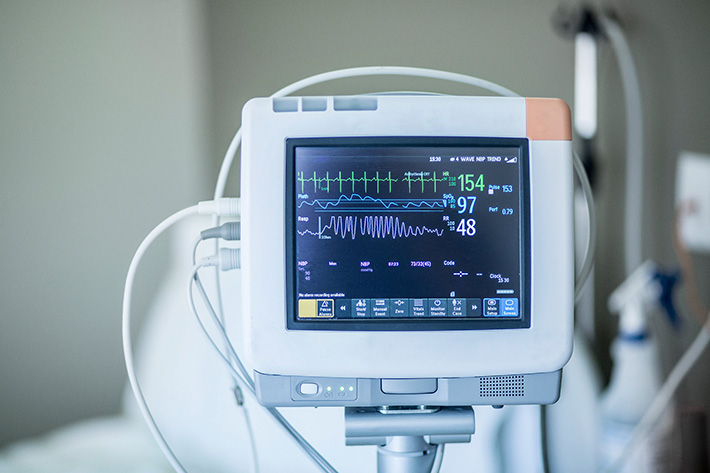
Telemetry, in broad terms, is the science of electronically monitoring a patient’s vital signs. This is most commonly done via a telemetric monitor which displays a patient’s heart rate and rhythm.

How long does it take to complete a telemetry certification course?
The lengths of training programs and courses can vary significantly depending on the organizations offering them, as well as what the program prepares you for. If you go with one of the convenient online courses available, and physical training courses that supplement your online learning, you can be fully certified within 1 – 5 months, depending on your prior medical experience. As an example, the certification course offered by the National Telemetry Association is self-paced, must be completed within 6 months, and is intended for applicants with no prior knowledge.

Are certification courses/tests difficult?
While there are many elements of a telemetry technician’s job that aren’t as cut and dry as just reading and noting down numbers, the difficulty of your course depends entirely on the testing body that will administer your final exam and eventually grant your certification. As a general rule, most accreditation tests will allow multiple attempts within a certain period, so you shouldn’t be too worried about difficulty. As an example, the NTA online course final exam requires candidates to score at least 85 percent in order to receive their certification.

What profession does a telemetry certification prepare me for, and what does the job entail?
A certification qualifies you to work as a telemetry or monitor technician. It is a telemetry technician’s job to monitor the electrical signals that represent a patient’s heart activity, and identify rhythms as well as the signs of cardiovascular issues. As a technician, you also become well acquainted with the essential equipment (the monitor and electrodes), and you are expected to be able to troubleshoot issues with both to a reasonable degree. While most of your expertise will come with hands on experience, The basic process you’re engaged in involves the following:

  • Identifying where to attach electrodes in order to effectively monitor a patient’s heart activity.
  • Attaching the electrodes.
  • Interpreting readings on the monitor.
  • Identify potential health risks, such as cardiac arrhythmia.

A telemetry technician’s duties may involve monitoring critically ill patients who are in or have recently been discharged from the ICU. For patients such as these, and others, a technician’s ability to identify issues through what they see on their monitor may be critical to saving their lives.

We hope that answers some of the questions you may have had regarding telemetry certification. If you have a specific question that wasn’t covered in this article, please feel free to reach out to us here.

Get Your Certification

Gain expertise, knowledge and invaluable skillsets with courses in medical health such as telemetry at Phlebotomy Career Training. Certifications through the PCT provide ample verification that students meet and exceeded national standards. This is because our classes are small, our educators are experienced, and our commitment to patient safety is a top priority. Your career in medical health is supported by national organizations such as the NAPTP which offers a world of opportunity and secure careers to our graduating students.

Our courses include phlebotomy, cardio-phlebotomy, dialysis technician, medical assistant, patient care technician, medical billing and coding, pharmacy technician and so much more, including several tiers and various certifications within. If you are considering a medical health career, Phlebotomy Career Training is the place. Questions or want to learn more? Call and speak to a program specialist today!

Categories
Uncategorized

RN’s can use NAPTP’s Phlebotomy National Certification for 16 Continuing Education Hours (CEHs)

phlebotomy certification

Medical practitioners are required to continue their education after getting into their careers. Managing their professional workload and the educational requirements can prove quite the task, even for veterans in the field.

The National Association of Phlebotomy Technician Professionals is a nationally accredited body that provides different kinds of professional certifications that can help you along in your career or help qualify you to practice an unfamiliar discipline.

The requirements for taking the NAPTP phlebotomy exam include comprehensive job experience, an understanding of rules of procedure, HIPAA and OSHA regulations, and more of what a certified phlebotomist needs to know.

For registered nurses, the course offers an opportunity to learn about recent developments within the field of phlebotomy, helping them conduct blood draws and take samples effectively, efficiently, and without incident. It also provides them with an added notch on their belt in the form of a national certification, which can help distinguish them from other candidates in the running for a particular job listing. Since the entire course is online, students can pace themselves according to their own schedules, making it more accommodating for professionals with odd hours.

Beyond the benefits of the exam itself, the course is also a great chance for currently practicing nurses to earn plenty of continuing education credits. The NAPTP is allowed to grant up to 15.5 CEHs to any successful candidate through the National Telemetry Association (NTA), accredited by the Commission for Accreditation of Pre-hospital Continuing Education. To be considered a successful candidate, a student must obtain at least an 85% score on the online test, after which they will be mailed their certification within 7-10 business days, along with a patch to sew onto their lab coats.

If you’ve been on the lookout for other certification courses, the NAPTP has a few others on offer that you should check out. These include a Review Course and Exam that helps test takers who aren’t familiar with recent course material prepare for the actual certification test and an immunization course and exam that deals with aspects of vaccination procedures and protocols.

If you’d like to learn more about the courses and exams offered by the NAPTP, click here to send in a query through their contact page. You can also find additional information regarding courses, as well as recent developments in the field of phlebotomy, on their website if you’d like to know more.