Categories
Uncategorized

Medical Assistants and IV Technician Certification Allows Them to Pivot into Other Careers

Health Spas have steadily appreciated in terms of popularity over the last few years. While the industry did receive a setback in the form of the recent pandemic, with life, as usual, resuming around the country, there’s no doubt that it’s on its way to recovery as well.

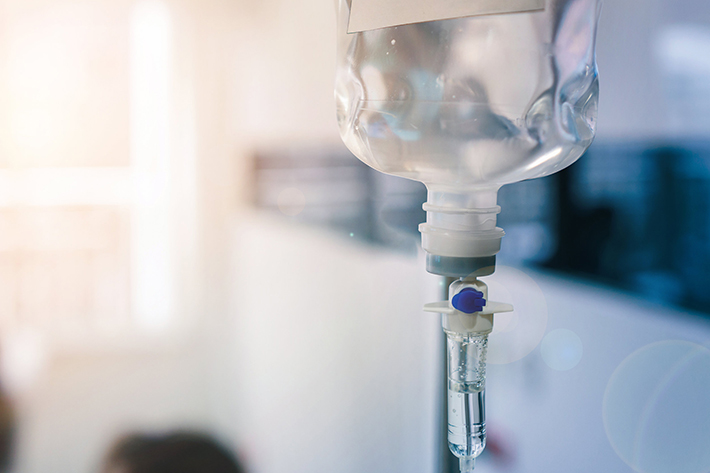
If you’re wondering what this has to do with medical assistants, you might just be surprised by what we have to tell you. Vitamin Drip Therapy is an IV treatment that sports all sorts of benefits, from anti-aging and skin health improvement to curing those post-weekend hangovers. While the positive and negative effects of the treatment itself have been debated heavily in medical circles and on celebrity talk shows, the jury’s still out on whether they’re concretely beneficial.

Medical Assistants and Lab Technicians are the prime candidates for administering drip therapy in health spas. If you’ve got a specialization as an IV Technician, then that qualifies you even further. So if you’re a medical assistant who’s looking to branch out or broaden your professional horizons, this might be just the opportunity you’ve been looking for.

Of course, the opportunity we’re talking about comes in the form of an online IV Technician Certification program offered by Phlebotomy Career Training. The course goes into great detail regarding intravenous insertion and flushing and helps prepare you for any hazards while also discussing at length the practical and safety-related precautions you should take. The course is wholly online, so you can schedule in time as you can spare it. You have access to the course for six months, which gives you ample time to get done with the material.

The course also includes online practical sessions that are carried out under the supervision of an instructor. This gives candidates the to polish and perfect their technique on an intravenous mannequin arm, provided as part of the course.

And that’s not all. If a career in health and beauty applications doesn’t quite float your boat, you could still use the added knowledge to take on a more advanced career in assisting practitioners. Of special note are physician’s offices where drip therapy is provided.

Even for those who aren’t looking to branch out or change career paths, the IV Tech program is accredited through the National Telemetry Association (NTA) by CAPCE and allows them to earn continuing education credits that help update their credentials while they keep practicing. Since the course comes with an online option, professionals can adjust and learn flexibly as they get time.

If you’d like to know more about the IV Technician course and what it offers, get in touch with us here.

PCT Opens the Doors to Opportunity

A certified medical assistant has so much to offer and the interest in this field is growing at a rapid rate. So why not expand and capitalize on your certifications as a medical assistant? The more you know, the more you can help others and continue to make a difference in the world of health care.

Receive world-class certifications taught by experienced educators at Phlebotomy Career Training. Our programs are supported by numerous National Certifying Bodies throughout the United States. With a 99% course completion rate, our students are the most sought after in the health care and medical industries. Our accredited programs include several tiers of phlebotomy certification, , patient care, dialysis technician, electrocardiogram technician, medical billing and coding and so much more.!

As life happens and your priorities change, so may your career path. Seek out what interests you, because you can never have enough knowledge and experience backed by accredited courses that will take you down several different avenues in the medical health industry.

Categories
Uncategorized

Unleashing Potential: The Power of Online Learning in NAPTP’s Phlebotomy Courses

In the evolving landscape of healthcare, the need for proficient practitioners is intensifying. Specialized fields like phlebotomy require comprehensive training and certification. The National Association of Phlebotomy Technician Professionals (NAPTP) caters to this requirement by offering online phlebotomy courses.

These programs offer a plethora of benefits for newcomers, particularly the adaptability and ease of access that online learning provides. In this piece, we explore these advantages and how they enhance the learning journey within NAPTP’s courses.

Reimagining Flexibility

Online phlebotomy courses have transformed the way healthcare professionals can pursue education and certification. Flexibility is the linchpin of online learning, enabling students to adjust their studies to align with their unique needs and schedules. Whether you’re balancing a full-time job, family obligations, or other commitments, NAPTP’s online phlebotomy courses offer a viable solution.

Traditional classroom-based education often imposes a strict schedule, posing challenges for those with other responsibilities. Conversely, online courses give students the liberty to decide when and where they study.

This adaptability empowers individuals to retain their current jobs while honing the necessary skills to transition into a fulfilling phlebotomy career. Aspiring phlebotomists no longer need to compromise their financial stability for education.

Convenience at Your Behest

The convenience of online learning is unparalleled. NAPTP’s online phlebotomy courses are designed to integrate smoothly into your lifestyle. Imagine having the ability to access course materials, lectures, and assignments anytime, from the comfort of your home, or any place with an internet connection. This level of convenience nullifies the need for time-consuming commutes to a physical campus, saving both time and resources.

Additionally, online learning eradicates geographical barriers. Students from diverse parts of the country, or even the globe, can enroll in NAPTP’s online phlebotomy certification without the trouble of relocating. This variation in student backgrounds enriches the learning experience by introducing individuals to different viewpoints and healthcare practices. It fosters a dynamic and stimulating environment that mirrors the real-world scenarios phlebotomists will face in their careers.

Holistic and Focused Learning

NAPTP’s online phlebotomy courses offer more than just flexibility and convenience. They are meticulously designed to provide students with a comprehensive and specialized education. The course materials feature a range of study guide documents, instructional modules, and accompanying videos seamlessly integrated into the curriculum and set to prepare students for online phlebotomy certification.

A significant advantage of online courses is the ability to review content at your own pace. If a particular concept is challenging, you have the flexibility to revisit the material until you comprehend it fully. This level of control over your learning process ensures that you are well-equipped for the online phlebotomy certification exam.

Ensuring Assessment Excellence

NAPTP’s online phlebotomy courses also offer exclusive access to practice tests and the NAPTP exam, a critical component of the comprehensive curriculum. These resources serve as essential assessment tools, enabling students to measure their understanding and readiness for the phlebotomy profession. By providing a realistic simulation of the online phlebotomy certification exam, students are thoroughly prepared to excel in their final NAPTP examinations.

Conclusion

Online phlebotomy courses offered by NAPTP have revolutionized healthcare education, providing industry newcomers with adaptable learning options. The comprehensive curriculum, combined with practical experiences, endows students with the skills needed for success.

Whether you’re aspiring to venture into phlebotomy, NAPTP’s online courses offer a dynamic path to excellence, enabling self-paced learning from anywhere across the globe, and ensuring preparedness for future opportunities and challenges in the field.

Categories
Uncategorized

How Can Medical Students and Phlebotomy Technicians Benefit from Learning How to Administer Vaccines


Phlebotomy Technician
Vaccination cert now available through the NAPTP

With the increase in coronavirus conspiracy theories, much of the public has refused vaccine administration. Healthcare professionals, such as nurses, students, and phlebotomy technicians, play a vital role in changing the public’s perspective and ensuring their safety and health.

There are many benefits of learning how to administer vaccines, but first, let’s take a look at the process of vaccine administration:


What You Will Need


Intramuscular vaccinations have been a part of our lives since we were born. However, not many of us know the ins and outs of administering a vaccine. Here’s a list of things needed to administer vaccines:


  • A Sharps Container
  • Disinfectant
  • Disposable Gloves
  • Cotton Swabs
  • Syringe and needle [16-38mm width, 22-25 gauge]
  • Vaccine
  • Bandages


Post-Vaccination Procedure


Before administering a vaccine, a healthcare professional or phlebotomy technician should check the patient for any infections or fever. In addition to this, they should also review the patient’s records to seek information on allergies.

If the patient has a bleeding or bruising disorder, this will also help determine the appropriate gauge of the needle required. Doctors and nurses also check the patient’s immunodeficiency or surgery requirements to ensure their vaccination process is safe.

It’s also beneficial for patients as well as medical students of professionals to brief the patient on any benefits, efficiency, or side effects of the vaccination. Briefing the patient will help put their mind at ease and make the process smoother.


Steps of Vaccine Administration


Administering a vaccine can be a short process; however, medical students must still follow the SOPs. Here’s how the procedure goes:


  • Disinfecting the hands
  • Check the vaccine’s shelf life, dosage, and route of administration
  • It’s advisable to administer vaccines in patients’ non-dominant arms
  • Palpate the most muscular part of the deltoid muscle and disinfect the area
  • Put gloves on and remove any air bubbles before administering the injection
  • Hold the muscle and inject the vaccination at a 90-degree angle and dispose of the injection in the sharps container


How is Learning This Skill Beneficial for Students and Technicians?


Learning this skill has now become a necessity rather than an option. Here are the benefits of learning vaccine administration for students and phlebotomy technicians:


  • It will enable you to stand out amongst other applicants
  • You will help the public by administering necessary vaccines
  • You will learn how to properly prepare, store, handle, or transport vaccinations
  • Technicians, nurses, and students can volunteer in vaccination centers to provide support to the healthcare team
  • Receive hands-on training sessions and gain insight into vaccinations


Have More Questions?


NAPTP has been helping students, nurses, and phlebotomy technicians across the country for several years. Contact us now for further information.

Categories
Uncategorized

Phlebotomy Career Training Announces 13 Years of Educating Students in Health Care

Phlebotomy Career Training (PCT) is proud to celebrate 13 years in operation. PCT has been educating practicing and aspiring medical professionals since 2009, when the school was first founded in Garden City, Michigan.

What started as an on-the-ground medical training initiative has rapidly transitioned into a more holistic approach to modern education, relying on all available channels to deliver quality education at a student’s fingertips. At present, the school boasts dozens of programs, some of which are conventional in-class courses, while others are completely online.

To ensure consistent quality of education between its courses, the school has relied on innovative use of both the internet and modern medical training technology. The results have been promising; while many students still practice their blood draws in a clinical environment, a large number rely on the phlebotomy training arms while taking online classes and being supervised remotely.

Besides broadening the scope of what encompasses solid, results-oriented medical training, PCT has also expanded its catalog to include courses that deal with more than just phlebotomy and telemetry. Today, the school offers courses for Clinical Medical Assistants (CMAs), Lab Technicians, IV Technicians, EKG Technicians, as well as courses on administrative aspects of healthcare, like HIPAA and OSHA compliance and medical billing and coding.

The thought process behind the consistent addition of new courses and new teaching techniques has its roots in the same goal that PCT was founded to achieve: empowering adults to seek education and qualification on their own terms, according to their needs. Through the aforementioned online courseware, and fruitful, longstanding partnerships with healthcare providers, non-profits, and NGOs around the country, PCT has facilitated many adults in their pursuit of a medical career.

The results speak for themselves. With thousands of graduates now staffing hospitals and clinics around the country, the worth of a PCT certification speaks for itself. The school boasts a 95% employment rate amongst graduates, an exemplary statistic that goes to show just how much a certification can do for your career. In particular, the school has had success assisting nurses, technicians and other professionals acquire the skills they need to distinguish themselves within their fields and outside of them.

The school presently offers courses at every level, from those requiring no previous medical experience to others only offered to practice professionals. Certifications may be earned independently or as part of a larger course, which helps you brush up on multiple disciplines while also earning you multiple certifications. These certifications are backed by nationally accredited bodies like the NIVA, the NTA, and the NAPTP.

With 13 years’ worth of satisfied students behind it, one can only assume that the future bodes well for both PCT and the students who will use its services.

Medical Career Options for All

Whether you are already in the medical field or desire to pursue one, your options in health care classes are vast at Phlebotomy Career Training. With courses offered both online and in person as well as several tiers of certification available in various fields, you are bound to find the level of education and training that works for you.

Medical assistants of all levels are always sought after and much needed. If you prefer something administrative in health care, medical billing and coding is a great choice. Dialysis technicians, accredited pharmacy technicians, telemetry certification and so much more. Let’s not forget our shining star that serves as a stable foundation for all medical health positions, phlebotomists. Our phlebotomy classes offer many certifications that encompass different disciplines in the field ensuring capability to work in any part of the field with opportunity for advancement. Want to learn more? Call and speak to a program specialist today!

Categories
Uncategorized

Your Further Education Guide: How to Start Phlebotomy Training

Phlebotomy training

Looking for a fast-growing career field that can help you take your future in exciting new directions? If so, it’s time to invest in phlebotomy training.

After all, the phlebotomy field is expected to grow 22% in the next ten years, far faster than average across all industries.

Not sure where to begin with phlebotomy training? Here’s a quick and easy guide to help you figure out if phlebotomy training is the right fit for you—and how to get started.

What is Phlebotomy?

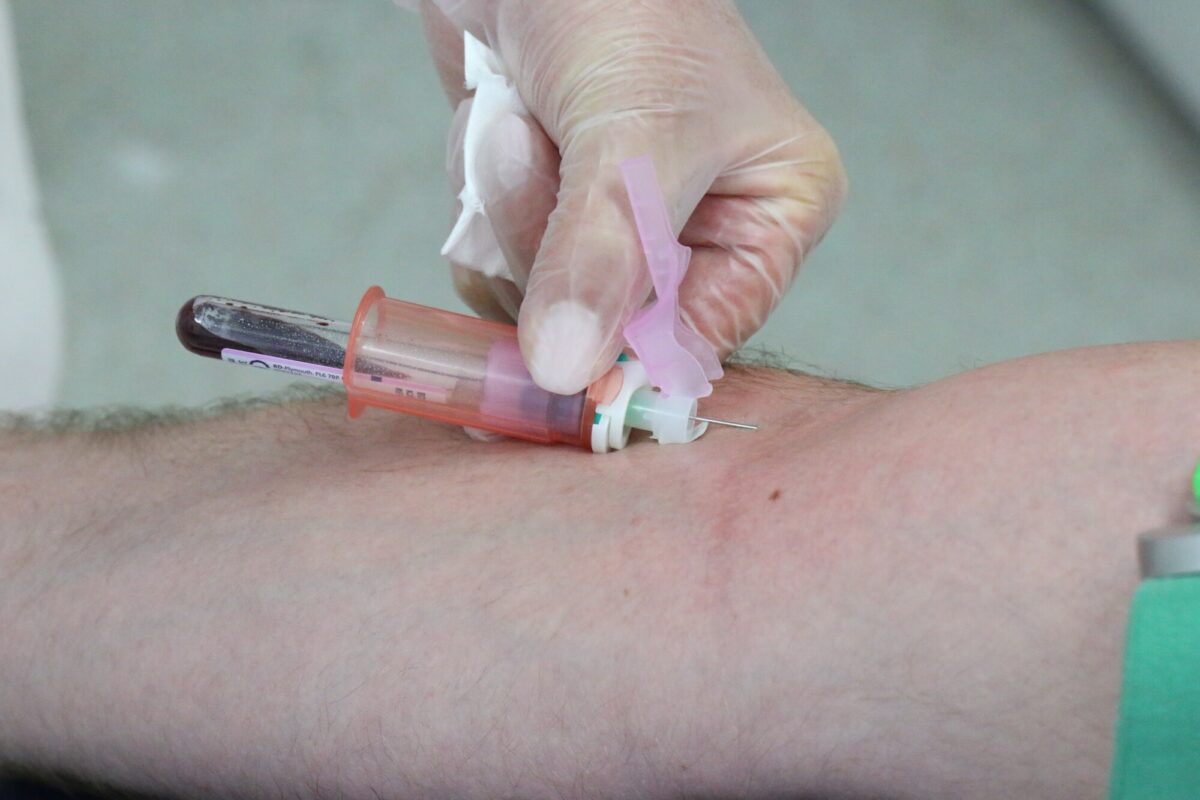
Ever wondered who takes blood samples at a doctor’s office? That’s the practice of phlebotomy—when someone uses a needle to take blood from your vein, usually via your arm. It’s a crucial tool for diagnosing a variety of medical conditions, though a therapeutic phlebotomist may also draw blood as part of a treatment.

Of course, there’s more to the job than simply drawing blood from a vein. For example, a phlebotomist may also draw blood from a capillary (usually a finger, ear lobe, or heel) when only a small amount of blood is needed. They also need the finesse to handle tricky blood draws, such as blood draws for patients with narrow, hard-to-hit veins.

Is a Phlebotomy Training Program Right for You?

So, is a phlebotomy training program the right choice for you and your career?

The good news is that it’s a fast-growing career that’s relatively easy to get into. All you need to get started is a high school diploma, after which you can enroll in a phlebotomy training program and finish within a year. After that, you can work in any medical office requiring regular blood draws—which means the majority of medical offices. You’ll also be able to work in blood banks, laboratories, and hospitals.

Starting Medical Training as a Phlebotomist Technician

Phlebotomy certification requirements vary based on what state you live in. That said, only four states (California, Louisiana, Nevada, and Washington) require state-specific phlebotomy licensing. In California, for example, there are three levels of phlebotomy certification:

  1. Limited Phlebotomy Certification (LPT)
  2. Certified Phlebotomy Certification (CPT I)
  3. Certified Phlebotomy Certification (CPT II)

All the rest will accept a nationally accredited phlebotomist certification program. So unless you work in one of those four states, you’re usually best served by a nationally accredited phlebotomist training program.

These programs all teach the same thing: how to draw blood safely and how to interact with patients to ensure a safe, positive blood draw experience. Your certification exam should cover technique, but the training process should also include a clinical component allowing you to work with real-life patients.

The Accredited School Program Phlebotomists Trust

That’s where we come in.

The National Association of Phlebotomy Technician Professionals is a national leader in phlebotomy training and certification, setting the gold standard for best practices and ethics. We provide future phlebotomists with the tools they need to master their trade and build an exciting future career.

Ready to get started? Check out the details of our exam and learn how you can get certified today.

Categories
Uncategorized

Find Out What NTA Professionals Are Learning About

phlebotomy-career-learning-with-NTA-certification

The NTA Certification is taking the medical sector by storm with its increasing fame and support from well-reputed hospitals. Telemetry and EKG Certifications boost the competencies of every medical individual going through the training.

The CEUs earned from appearing and passing the NTA exam helps NTA professionals receive higher pay because of the edge they gain from other healthcare industry employees. NTA professionals are also viewed as more optimal candidates for clinics and hospitals because of their exceptional patient care. They are well-versed with chart reading and analyzing vitals and heart rhythms of critical patients admitted in or recently shifted from ICUs to general wards.

Are you wondering what the NTA professionals learn during their NTA training to avail such benefits? Below are the course outlines of two of the primary NTA courses of Telemetry Certification and EKG Certification. These are the essential practices that medical professionals, nurses, and medical students registered for the NTA exam have access to.

The Full Course National Telemetry Certification and National EKG Certification

If you don’t have any experience in Telemetry but wish to pursue the field, this course is an ideal start. Clearing this course also enables you to land yourself a credible job as Telemetry Monitor Technicians.

The course comprises of two attempts for the National Telemetry Exam and National EKG Exam each. It’s a single course that offers you two NTA certifications upon passing both exams. The training includes lecture videos and a study package with modules and mock quizzes to help you prepare for the National Exams.

The National Telemetry and EKG Certification don’t require any previous experience. It even offers complete instructor support for the medical students to indulge in knowledgeable guidance. Once you pass both your exams, you receive the CUEs (in the case of nurses, EMTs, and medical assistants) and the NTA Telemetry and EKG Patches.

National Telemetry Certification and Review Course

The National Telemetry Certification with Review Course is for professionals with existing work experience in the healthcare industry. The course is an advanced level training for Telemetry professionals wanting to achieve a National certification in the field.

The NTA certification includes teaching the students about all the recent and essential Telemetric practices to perform their jobs effectively. It also comes with comprehensive study guides for all modules and mock quizzes for practice. You get two attempts to appear and clear the National Telemetry Exam. Upon passing it, you receive your NTA National Telemetry Certification and the NTA Telemetry Patch.

All NTA courses for Telemetry and EKG enable you to become more efficient Telemetry experts, improving your monitor reading skills to understand the needs of your patients. Enrolled students learn all the necessary skills for offering secured and top-quality aftercare while reducing risks of distress in the patients.

Register For the NTA Course Today!

Receiving the NTA certification is now a crucial asset for nurses, paramedics, EMTs, medical students, clinics, and hospitals. Passing the National exam for Telemetry and EKG might sound daunting. But with multiple lecture videos and practice exams, you can clarify your concerns and prepare the best.

Here at NTA, you can also enroll in the online Telemetry certification to study for the exam and continue your job side by side. If you plan on achieving the same competitive edge as other NTA professionals, you can start your journey at NTA today.

Contact: 888-461-3029

Website: https://nationaltelemetryassociation.org/

Phlebotomy Career Training for Multiple Certifications

Phlebotomy Career Training is a fantastic option for telemetry certification and more. This online course includes hands on clinical practice and is designed for students interested in starting their career in cardiovascular studies. With instructor support available on a daily basis and national exams included through the Telemetry Association, you will successfully complete your training with proper credentials, experience and skills to launch your career in the medical field.

Market yourself even further and become a huge asset by expanding your credentials with other certifications such as phlebotomy, 4 tiers of medial assistant certification, , medical billing and coding and so much more! Get quality training and enter the workforce with confidence and most importantly, options. Having career options in medical health will provide a versatile, challenging and fulfilling lifetime career that will take you anywhere in the world! Call PCT and speak with a program specialist today.

Categories
Uncategorized

How to Prepare for the Phlebotomy Certification Test: What to Know

The median pay for phlebotomists as of 2021 is $37,380 per year. Predictions are job demand will grow 22% between 2020 to 2030.

Most employers seek professionals that pass the phlebotomy certification test. To advance your career, you need a certification program that includes the study materials.

Keep reading for everything you need to know about phlebotomy programs and certifications.

What Is Phlebotomy?

Phlebotomy uses a needle to draw blood from a vein. The blood is usually sent to a laboratory for testing. Blood is sometimes drawn for therapeutic phlebotomy or for treating specific medical conditions.

Technicians usually work in diagnostic laboratories, blood donor centers, hospitals, and other medical facilities.

Benefits of Phlebotomy Certification

Phlebotomy certification allows you to perform tasks beyond basic blood draws. It shows your employer you have the qualifications to perform:

  • Blood draws from patients
  • Explain the blood-draw procedure to patients
  • Evaluate a patient’s ability to withstand the procedure
  • Perform point-of-care testing
  • Prepare urine, blood, and other specimens for testing
  • Verify patient or donor identity
  • Maintain and clean medical equipment

States have different requirements for phlebotomists’ needs for a license or certification.

Prepare for the Certification Exam

You may prepare for the exam by purchasing the NAPTP hardcopy or PDF book to study. You may also register to take a review course.

You may want to participate in a phlebotomy program to increase your chances of passing the exam. The NAPT offers three options:

  • Phlebotomy National Exam and Review Course—$459
  • Immunization Certification Course and Exam—$359
  • Phlebotomy Instructor Certification—$639

The third option is for those wishing to become certified instructors and includes the phlebotomy review, national exam, and instructor course.

Taking the Phlebotomy Certification Test

The National Association of Phlebotomy Technician Professionals certification exam receives recognition by the NCCT, NHA, ICE, and AMCA. It has acceptance by healthcare organizations and leading hospitals nationwide.

The online exam of about 100 questions covers:

  • Assignment organization
  • Clerical duties and skills
  • HIPAA and OSHA regulations
  • Infection control
  • Legal, ethical, and professional considerations
  • Obtaining blood samples
  • Point-of-care and waived testing
  • Problems and correction
  • Professional communications
  • Safety procedures and standards
  • Special collections
  • Specimen collection and processing
  • Terminology, psychology, and anatomy
  • Time management

You will have two hours to complete the exam with a score of 85% or higher.

After successfully completing the exam, you receive certification and a hand-sewn patch for your lab coat. Your certificate is available on the NAPTP website for employer verification.

Requirements

To register for the exam, you must perform a minimum of 65 live blood draws within 24 months.

You may also register within six months of graduation from a phlebotomy program after completing at least 30 live blood draws.

You must agree to the NAPTP scope of practice and code of ethics.

Phlebotomy Certificate Cost

The NAPTP exam gives you national certification as a phlebotomy technician. The cost for taking the exam is $129.00 and covers one attempt to pass the exam.

To take the exam and receive a PDF study guide, you will pay $225. This fee includes the ability to make two attempts at passing the exam and instant access to your PDF study guide.

After passing the exam, you will receive your certification number, a hard copy of the certificate, and a hand-sewn patch for your lab coat.

If you need to renew, the fee is only $99. This allows you five attempts to pass the exam, your active certification renewal in the NAPTP database; an updated hard certificate, and a hand-sewn patch.

Phlebotomy Career Training

Whether you need phlebotomy training or want to take a phlebotomy certification test, the National Association of Phlebotomy Technician Professionals is the only organization that helps technicians achieve national certification.

If you have questions about our program, call us at (877) 437-6470 or send us a message using our online form.


Categories
Uncategorized

3 Reasons Veterinary Technicians Need a Phlebotomy Certification

veterinary technicians

The job outlook for veterinary technicians, is exceedingly good, with demand forecasted to grow by 15% between 2020 and 2030. This is faster than average for all professions.

But, just because the job outlook is promising doesn’t mean that you shouldn’t develop your skills and certifications as a vet tech. One of the first steps to rounding out your list of certifications is phlebotomy training.

Phlebotomy training can not only increase your job prospects and help you advance in your career, but it can even help to increase your salary.

Read on to find out 3 reasons why veterinary technicians need a phlebotomy certification.

1. Phlebotomy Certification Can Boost Your Job Prospects and Salary

If you’re looking to further your career as a vet tech, getting a phlebotomy certification is a must. Phlebotomy training gives you more to offer your employer.

Veterinary practices invariably have to do an extensive amount of blood testing. Blood tests are one of the best tools for diagnosis, especially when it comes to animals. Blood tests can reveal an animal’s immune system responses, hydration status, blood clotting ability, and more.

In younger dogs, blood tests are used primarily to help diagnose conditions. In older dogs, regular blood work is recommended on a yearly basis or sooner.

Because blood tests are an integral procedure at veterinary practices, having phlebotomy training will make you stand out when applying for a job.

Besides giving you a hiring edge over veterinary technicians who don’t have phlebotomy training, a phlebotomy certification can also net you a higher salary.

Salaries as a vet tech are not that high, with annual pay ranging between $22,952 and $35,703 depending on what state you live in. One of the secrets to earning more in medical careers is to increase your list of certifications, and phlebotomy training is one of the easiest ways you can do this.

2. Phlebotomy Certification Can Help You Save Animal Lives

Another reason to invest in phlebotomy certification as a vet tech is that it can help you save animals and give them a better quality of life. If you are passionate about the wellbeing and care of animals, phlebotomy training will give you a chance to make blood drawing as non-traumatic as possible.

Do you have a self-assured way with animals? Are you able to calm even the most skittish patients? If so, you are the perfect kind of vet tech to be responsible for drawing blood.

3. Phlebotomy Training Is Quick

Another reason why veterinary technicians should get a phlebotomy certification is that training is relatively quick, requiring only one to two semesters.

What’s more, if you pick the right phlebotomy training provider you can do self-paced training. For instance, with NAPTP courses you can complete your certification entirely online and fit it into your existing schedule.

We Offer Self-Paced Phlebotomy Training for Veterinary Technicians

Are you keen to take advantage of all the benefits that a phlebotomy certification holds for veterinary technicians?

If so, you’re in the right place. NAPTP offers 100% online, on-demand, and fully self-paced courses. If you do phlebotomy training through us, you can structure your learning around your schedule. All of our coursework can be done on a desktop, laptop, or even a mobile device if you’re on the go.

Register for phlebotomy training today and propel your vet tech career.


Categories
Uncategorized

How Much Do Phlebotomists Make?

If you’re considering a career in the healthcare industry in a job that is less demanding when it comes to schooling, consider becoming a phlebotomist. You do not require a bachelor’s degree, and it offers the fastest entry route to a career in healthcare.

When considering this career path, it’s normal to wonder how much phlebotomists make. Here’s how much you can make as a phlebotomist, factors that affect a phlebotomist salary, and job outlook.

What is a Phlebotomist?

A phlebotomy technician is a medical professional that draws blood from patients for transfusions, tests, research, or donations. They explain the procedure to patients and can help assist patients with adverse reactions to recover.

A phlebotomist can work in different settings, such as hospitals, blood donor centers, and medical and diagnostic laboratories.

Phlebotomist Job Outlook

According to the US Bureau of Labor and Statistics, phlebotomy jobs are expected to grow at a rate of 10% from 2021 to 2031—compared to an average growth rate of about 5% for other occupations.

The BLS estimates an average of 21,500 phlebotomist job openings will become available annually over the decade. As such, the demand for trained phlebotomists will likely increase to fill the new openings and replace workers who exit the labor force or transfer to other professions. Besides creating new opportunities, this could potentially raise the average phlebotomist salary.

How Much Do Phlebotomists Make?

The national mean hourly wage for phlebotomists is $18.49, and the mean annual phlebotomist income is $38,450. Top-paying industries include grant-making and giving services and scientific research and development services.

Factors That Affect a Phlebotomist’s Salary

  • Education and training: While you can qualify to become a phlebotomist with on-the-job training, attaining certification shows you’re a professional and can increase your hourly wage. The National Association of Phlebotomy Technician Professionals (NAPTP) offers a fully-online, self-paced phlebotomy prep course.
  • Location: How much a phlebotomy technician earns also depends on the city and state where they practice. For instance, phlebotomists in California earn a mean hourly wage of $23.11 and an annual mean of $48,070, while those in Illinois earn a mean hourly wage of $15.39 and an annual mean of $32,010.
  • Years of experience: Phlebotomists with more experience typically earn more than those with less experience.
  • Your workplace: Different companies pay varying salaries to the phlebotomists they’ve hired, depending on their salary policies and job description.

Enroll for a Phlebotomy Course and Maximize Your Pay

While you have little control over some factors that will affect your salary as a phlebotomist, such as your workplace, you can maximize your pay by taking a phlebotomist course and obtaining certification.

The NAPTP Phlebotomy Review course is 100% online and self-paced to help you learn and equip you with the necessary knowledge and skills to pass the NAPTP exam. It includes study guide videos, PDFs, and modules in a six-week course that you can fit into your schedule.

Whether you’re looking to sit for the NAPTP exam for the first time or you’re an existing NAPTP Certified Technician looking to renew your certification, this course will give you the best chance of passing the exam on the first try.

Register for our phlebotomy courses and exams and maximize your pay.

Categories
Uncategorized

Why All Nurses Should Consider Getting a Phlebotomy Certification

a phlebotomy certification

Phlebotomy is the process of drawing blood from patients. It’s not the same thing as administering an IV. Though, drawing blood may help newer nurses learn venipuncture (finding veins), which is useful for starting IVs. Only four US states require nurses and other health care workers who draw blood to hold a phlebotomy certification. This includes California, Louisiana, Nevada, and Washington. 

Yet, just because your state doesn’t require it doesn’t mean there aren’t significant pros of getting a phlebotomy certification. Many employers recommend that their nurses pass the exam and earn a certificate anyway.

So, why exactly should you get a phlebotomy certification as an RN or LPN? Keep reading for the top benefits you need to know. 

Get Certified Fast

Think you’re too busy to study for your phlebotomy certification? Think again, because getting certified as a registered nurse takes far less time than becoming a full-time phlebotomist. Most RNs and LPNs can earn their certification in as little as one or two days.

This is because, as long as you’ve completed 30 or more recorded blood drawings, you can sit for the exam without having to sit through courses. You’ll take the National Association of Phlebotomy Technician Professionals (NAPTP) exam to become officially certified. 

Increase Your Marketability

It’s no secret that nursing shortages have plagued the US market for years now. But what you may not know is that many nurses are still struggling to find a job. Experts suggest this could be because too many nurses compete for jobs in the same markets. 

So, how do you differentiate yourself from the local competition? A phlebotomy certification can help. Most RNs and LPNs only get blood-drawing training on the job, meaning your certificate will help you stand out from the stack. 

Negotiate Better Pay

69% of nurses negotiate their salary before accepting a job. Most of these nurses use their experience to fight for the pay they want. But what if you’re a new nurse?

Important certifications for nurses can help entry-level graduates negotiate better pay. Even if you do have years of experience, you can vie for a higher starting salary the more certifications you hold. And that includes a phlebotomy certification.

Build Your Confidence

Nurses learn how to draw blood in nursing school and get experience during clinical. Yet, even with all this training, many nurses don’t feel confident about drawing blood. 

If that sounds like you, a phlebotomy certification can help you build confidence. You’ll get hands-on experience with finding good veins, which can also help improve IV starting skills. 

Earn a Phlebotomy Certification With NAPTP

A phlebotomy certification can help you build confidence when drawing blood. You’ll stand out from your peers and be able to negotiate higher pay. Plus, you can get all these phlebotomy certification benefits in only a few days.

Are you ready to earn your phlebotomy certification? Register today for a NAPTP exam to get certified through the nation’s gold-standard phlebotomy certification organization.