Categories
Phlebotomy Certification

Online: Phlebotomy Technician Tier III – Phlebotomy Career Training

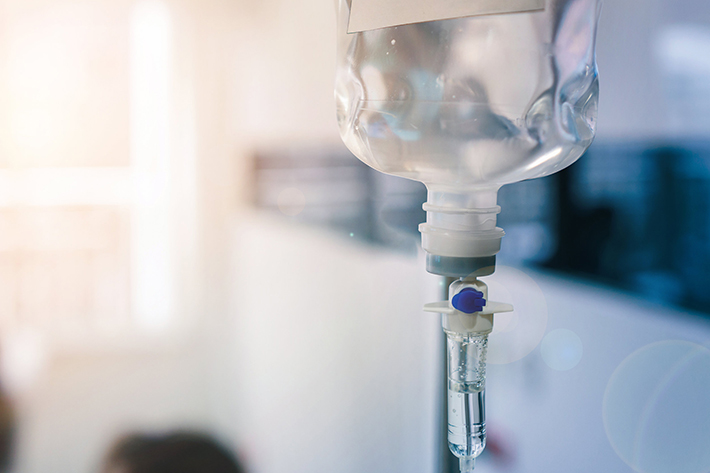
IV-technician-at-phlebotomy-career-training-mi

Phlebotomy Career Training now offers students an Online Phlebotomy Technician Tier III Program where you can achieve four certifications in a single program. This online, four-in-one package is designed to meet the needs of every student passionate about becoming a phlebotomist but juggling with their professional and personal obligations.

Let’s find out more about the program and what it offers:

Online: Phlebotomy Technician Tier III – Phlebotomy Career Training

Every student passionate about becoming a phlebotomist knows that it requires earning a certification in phlebotomy training. When you start looking for institutes that offer phlebotomy technician courses, your priority may be to opt for an online program that you can manage with your job.

What if you get a chance to earn multiple certifications in the same amount of time spent on a single program at the fairest price?

Yes, this is possible at Phlebotomy Career Training through its Online Phlebotomy Technician Tier III Program, where you get:

  • Phlebotomy Technician certification
  • IV Technician certifications
  • Two National Certification Exams

Indeed, a four-in-one package enables you to extend your expertise and career sphere and gain four recognized certifications in a single program saving you time and money.

Phlebotomy Career Training is a trusted institute offering a wide range of certifications in medical health, both online and in-class, throughout the US. Plus, all certifications are recognized nationwide.

The institute has been offering top-notch certifications in phlebotomy training led by experienced educators for years. The online courses offer no less than an in-class experienced where the instructors communicate with the students in real time through video lectures and zoom.

What Does the Online Phlebotomy Technician Tier III Include?

Besides the Phlebotomy Technician Certificate, this tier III program includes:

  • An IV Technician Certification
  • National Phlebotomy and IV Technician vouchers; these 6-month vouchers are complimentary
  • A full book in PDF (NAPTP Study Guide)
  • Online tutoring and lectures by expert medical professionals at an affordable price
  • A virtual simulation kit (VSK) for phlebotomy training
  • A kit for IV Venipuncture Training
  • Contact the assigned instructors through email and phone.
  • Additional materials and resources
  • Two NIVA ( National IV Association) Certification Exams

In the Phlebotomy course, you will learn proper phlebotomy techniques in compliance with the protocols, point-of-care testing, specimen processing, proper use and maintenance of equipment, practices, and principles for infection control, and more.

In IV Technician training, you will learn proper IV insertion and flushing techniques and principles in compliance with the protocols, venipuncture techniques, venipuncture safety hazards and complications, preparation, use, and maintenance of intravenous therapy equipment, and more.

For online students, Phlebotomy Career Training offers virtual simulation kits (VSK), which they can get upon registration. VSK is a great alternative for students who can’t access internships for any reason. Using this kit, you can complete 30 venipunctures required for this course.

For IV technician training, you must submit a video of your virtual internship. However, since both phlebotomy and IV insertion training involves the Venipuncture technique, you don’t have to submit a separate video for IV insertion.

Besides the above, you learn to:

  • Collaborate with a team of professionals
  • Practice your profession following established protocols, safety guidelines
  • Communicate with patients appropriately and professionally, respecting the diversity, dignity, values ​​, and opinions of patients/clients and colleagues while ensuring the confidentiality of information
  • Capture relevant data and present it appropriately
  • Ensure appropriate samples are collected, handled, and shipped according to established protocols

And the best part about this course is that it offers a 6-month time. You can complete it at your own pace and easily manage it with your current job.

Register now before the tuition prices hike. Call (734) 762-3220 or visit the website for more information!

Offering More than Phlebotomy

Did you know that you have options when it comes to a career in medical healthPhlebotomy certification provides a strong foundation and if you choose to expand or explore, use it as your springboard.  Options include, medical coding and billingpharmacy technician, home health aid as well as dialysis technician and medical assistant. All of which have several tiers of certification within. Speak to a program coordinator and find your career fit that is in demand.

Go beyond and set yourself above the others with a national certification in phlebotomy. The NAPTP is committed to establishing guidelines, procedures and protocol that puts patient safety first, a top priority throughout the healthcare industry with phlebotomy as a leader.  Check out the programs and certifications available here.

Other programs and certifications that Phlebotomy Career Training is affiliated with and you should check out are the National IV Association and the National Telemetry Association. Obtaining national training with certification from organizations such as these will keep you up to date on leading industry standards and will set you apart from the competition.

Categories
Phlebotomy Certification

All You Need to Know About Becoming a Cardio-Phlebotomy Technician

cardio-phlebotomy-certification-at-PCT

If you want to stand out in a crowded employment market, being a Cardio-Phlebotomy Technician can help. This statement is true whether you are an experienced Medical Assistant trying to increase your marketability and income or a beginner in the clinical healthcare sector.

The expertise of an EKG specialist and a phlebotomist combined produces useful information that can help practitioners make a diagnosis and administer life-saving treatment. This vocation can offer opportunities in several medical settings for those who enjoy hands-on work where everyday professional life involves direct patient involvement.

Role of a Cardio-Phlebotomy Technician

Phlebotomists draw blood for screening or donation, and the blood is then sent to a clinical lab for evaluation. Blood tests are performed to identify diseases, assess the efficacy of treatments, and check on a patient’s nutritional status. Additionally, obtaining non-blood samples for testing may be demanded of phlebotomists. Work environments for phlebotomists include clinical labs, hospitals, medical centers, skilled nursing facilities, medical offices, blood donation facilities, and other healthcare settings. An experienced medical expert, such as a clinical laboratory technologist, usually oversees them.

Technicians with electrocardiographs (EKG or ECG) undertake diagnostic procedures to help doctors find and treat patients with heart problems. These tests aid in identifying anomalies that could lead to a cardiac event or cardiovascular disease. Patients’ explanations of operations, vital signs tracking, patient posture, ECGs, the use of ambulatory monitors, and aid with extensive testing are just a few of the often performed tasks.

The role of a cardio-phlebotomy technician is a combination of the two roles described above.

Skills Required to Become a Cardio-Phlebotomy Technician

A successful cardio-phlebotomy technician must have a few basic skill sets.

Technological Proficiency

A cardio-phlebotomy technician must be proficient with advanced machinery and technology. Diagnostics equipment, like other technology, is prone to change over time and may require the help of a qualified expert.

Great People Skills

Since a cardio-phlebotomy technician is constantly working with patients, they must have good communication skills to put their patients at ease. A cardiac patient doesn’t require more stress, or it could exacerbate their situation. A cardio-phlebotomy technician knows their way around the patient’s mental condition and knows how to calm them down so that complex procedures and tests can take place effortlessly.

Attention to Detail

A cardio-phlebotomy technician must look at screens and analyze patient reports daily. Failing to have an eye for detail can cause severe issues as the issues in a person’s body can be overlooked. Hence, a cardio-phlebotomy technician must pay attention to detail as they scan for underlying and hidden troubles and report to doctors to find a solution to beat the issue.

How to Become a Cardio-Phlebotomy Technician?

This dual qualification qualifies you for a wide range of positions. Cardio-phlebotomy technician work will give you a better inside view into the medical industry and exposure to various departments and professions to help you make those career moves more quickly and intelligently if you’re fascinated in an advanced medical health function.

If you’re looking to become a certified cardio-phlebotomy technician with an online course, head to Phlebotomy Career Training’s website.

Phlebotomy Certification and So Much More

Did you know that you have options when it comes to a career in medical health? Phlebotomy certification provides a strong foundation and if you choose to expand or explore, use it as your springboard.  A program specialist can help determine your course of action. What journey will you embark on? Medical billing and coding, , home health aid? Perhaps becoming a dialysis technician interests you, or telemetry? All of which have several tiers of certification within. Find your path at PCT so that you can count on a career that is in demand and suited to meet your needs and career goals.

Furthermore, set yourself apart and above the competition with a national certification in phlebotomy. The NAPTP is committed to establishing guidelines, procedures and protocol that puts patient safety first, a top priority throughout the healthcare industry with phlebotomy as a leader.  Check out the programs and certifications available here.


Categories
Phlebotomy Certification

How to Become a Phlebotomist in California

medical-health-career-ca-phlebotomy-career-training

The state of California has some of the strictest regulations regarding health practices, and this applies especially to Phlebotomy Certification. From having nationally-approved schools and training institutes that you need to get your accreditation from, to having a strictly regulated license application process, every step in the process of getting yourself qualified to practice in the state comes with its own set of rules and regulations

So without further ado, let’s take a look at this process, from start to finish.

Step 1: Complete your term at a state approved school

The first step towards becoming a Phlebotomist in California must be taken after you’ve earned your high school diploma or GED. You should take a look at the California Department of Public Health’s list of approved schools, and select an institute that offers the requisite level of classes that you need. While individual program requirements will vary from program to program, you should expect to put in at least some level of classroom time, as well as training in a clinical environment.

Before being considered a graduate, you will also most likely be required to complete an externship at a hospital or clinic. Having done that and completed your hours in the classroom, you’ll be eligible to receive your completion certificate, marking the completion of this stage.

Step 2: Pass your Phlebotomy Certification Examination and earn your certification

The next step involves completing the required training, classes, and practical requirements for becoming certified at one of three levels. Only the first two levels will be applicable for prospective applicants without any on job experience, as the third level requires over a thousand hours of it. Candidates may either opt for LPT (Limited Phlebotomy Technician) or CPT I (Certified Phlebotomy Technician – I), and must complete basic and advanced classes, and complete a certain number of practical procedures before being certified.

Part of the CPT I certification process involves clearing a written exam, the Phlebotomy Certification Examination. Once you’ve cleared this exam, you’re eligible to receive your certification, and therefore, are one step closer to becoming a certified Phlebotomist.

Step 3: Apply to the CDPH website to become a Licensed Phlebotomist

You’ve reached the home stretch. Now all you have to do is verify and submit the training you’ve undergone and the certificates you’ve earned at the CDPH website. After registering for an account at: https://www.cdph.ca.gov/Programs/OSPHLD/LFS/Pages/ClinicalLaboratoryPersonnel.aspx, you’ll have to fill out the details of your medical training, as well as upload copies of your certificates. Then it’s a simple matter of filling out a few personal details and selecting the appropriate certification, and then all you have to do is wait for your application to be processed.

If you’d like more information on how to become a Phlebotomist in California, contact the NAPTP for further assistance and guidance.

Phlebotomy Certification Opens the Door to Opportunities

If you are in the medical health industry or are looking to join it, phlebotomy certification provides an exceptional foundation to a long-term career that is in demand throughout the nation as well as the world. Go further and set yourself apart from the competition with a national certification and become an asset with options.

Phlebotomy Career Training offers everything you need to begin your career as well as maintain and grow it. Phlebotomy certification offers several tiers or levels of certification and can be paired with telemetry, IV certification, cardio EKG certificationmedical assistant certification, and so much more!

Have you ever thought about medical billing and coding? Becoming a ? Or does patient care interest you? All of these career options are available for you to explore at PCT.

All courses are Nationally Accredited, available both online and in class and are taught by experienced educators working in the field. California may be the beginning of your medical health career journey; however, you can take it anywhere with a national certification. Call PCT and speak with a program specialist today!

Categories
Medical Assistants Phlebotomy Certification

Health Spas Provide Opportunities for Certified Medical Assistants and Technicians

Health Spas, Vitamin Drip Therapy, and Medical Assistants | An unlikely combo that might just last

Health Spas as a destination have steadily risen in popularity over the last decade. While the industry did take a bit of a hit with the recent pandemic, with people on their way back to offices and hangout spots around the country, there’s no doubt that it’s on its way to recovery as well. “But what does this have to do with medical assistants?” you might ask.

Well, you may have heard of Vitamin Drip Therapy, which is an IV treatment that purportedly cures all manner of things, from actual vitamin deficiency to signs of aging, to hangovers. While the positive and negative effects of the treatment itself have been debated heavily in medical circles and on celebrity talk shows, the jury’s still out on whether they’re concretely beneficial.

What is Vitamin Drip Therapy?

A lack of certain minerals and vitamins is to be expected for people with conditions that impede their appetite or conditions that affect the nutrient absorption rate. Since their system can’t process their food to extract the necessary nutrients, or there isn’t enough food to go around, to begin with, these imbalances are routine. Vitamin therapy allows a doctor or practitioner to prepare a saline mix of the vitamins and minerals and introduce this mixture directly into the bloodstream, which can be absorbed in a greater rate.

The risks

As with any form of treatment, Vitamin Drip Therapy comes with certain risks. These risks need to be assessed and mitigated by the efforts of both you and your practitioner. Your skin is your first layer of protection against bacteria and other harmful microbes. If appropriate care is not taken by the person administering your drip, and the drip itself or your skin isn’t cleaned properly, you could end up with an infection. Even if everything is sterile, if the liquid itself isn’t vacuum sealed and air bubbles seep into an individual’s bloodstream via the IV line, it could potentially lead to a stroke. And if the drip rate isn’t monitored and gets too high, the risk of fluid overload is high. Fluid overload can cause any number of problems, including damaging the kidneys and other organs.

How Health Spas manage these risks

All of those risks and others make it so that the person in charge of administering and monitoring a drip is highly critical to ensuring the entire process goes off without a hitch. This is why medical assistants and technicians are now seeing increased employment from health spas and wellness centers. The presence of a confident, qualified professional does a lot to inspire trust in their clients and helps them minimize the risks associated with procedures like drip therapy. So if you’re a medical professional who’s recently moved, or you’re just looking at the job market for fresh opportunities, visit your local health spa and find out if there are any shoes for you to fill. If you’d like to know more about prospects around you, contact the NAPTP now.

Opportunities Begin with Certification

People all over the world seek out Health Spas for a few key reasons with well-being and relaxation at the top of the list. The physical and emotional effects of the pandemic have hit hard bringing overall health to the forefront. Seeking refuge at health spas demands an environment that is safe, sound and compliant. Certified medical assistants help bring Health Spas to this new level of demands.

Phlebotomy Career Training has the accreditation and reputation you need to start a career in medical health as well as expand your career in the world health care. With classes offer both online, in-class and led by certified instructors with years of experience in health care, there is no reason to go anywhere else.

Phlebotomy certification is just one on many nationally accredited programs that PCT offers. Several tiers of medical assistant certification, pharmacy technician certification, EKG certification, patient care and so much more. If you are looking for something administrative you may want to explore our program on medical billing and coding. All of which are nationally accredited, opening the doors to jobs across the nation and even around the world. Call and speak to a program specialist today!

Visit the naptp for more information on guidelines and procedures in phlebotomy certification.

Categories
Medical Assistants Phlebotomy Certification

How Many Levels Are There for a Phlebotomy Certification?

phlebotomy certification

If you’re curious about how many levels there are to a Phlebotomy Certification, we’ve got just the information you need. In this article, we’ll take a brief look at the different levels, what qualification each level requires, and what qualification at each level entails in terms of practice.

The Three Levels of Phlebotomy Certification

Every state has it’s own rules of procedure when it comes to phlebotomy, as there isn’t a curriculum or accreditation that has been nationally adopted. In most states, people aren’t required to undergo training for different levels of phlebotomy practice.

While you would need to get re-certified if you’re moving your practice between states, for people who have been engaged in the field in recent history, the process is usually fairly simple and straightforward, and requires only the submission of documents for the most part. The exceptions are Louisiana, California, Washington, and Nevada, all four require state-specific licenses for potential practitioners.

Among the three, we’ll be taking a closer look at California, as California is the only state to impose its level of regulations upon the Phlebotomy Certification process. First off, candidates are limited in terms of what counts as valid experience, with time spent working in a blood bank or within the field of veterinary medicine not counting towards your certification. Secondly, the certification process is broken down into three levels, and candidates who are certified at a certain level are only authorized to offer care at that level. The three levels are as follows:

  • Limited Phlebotomy Certification (LPT)
  • Certified Phlebotomy Certification (CPT I)
  • Certified Phlebotomy Certification (CPT II)

Let’s take an in-depth look at the three levels and the differences between them

Limited Phlebotomy Certification (LPT)

LPT Candidates must have completed 20 hours of basic classes in Phlebotomy with one of the many schools approved by the California Department of Public Health (CDPH). Following this, you must also successfully complete a certain number of skin puncture blood collections to qualify as an LPT.

LPTs are only allowed to do skin punctures

Certified Phlebotomy Certification (CPT I)

Along with all requirements of LPT training, candidates must also complete 20 hours of advanced classes at a CDPH approved school or training institute. Candidates must also successfully complete a certain number of venipunctures on actual patients, as well as a written exam.

CPT I certified individuals may only conduct skin punctures and venipunctures.

Certified Phlebotomy Certification (CPT II)

CPT II candidates must complete 20 further hours of advanced classes. They must also demonstrate proof of CPT I certification, as well as a minimum of 1,040 hours of onsite medical experience. In addition, candidates must complete 20 arterial punctures while under supervision from a senior medical professional.

CPT II certified individuals may conduct skin punctures, venipunctures and arterial punctures.

If you’d like to know more about how to become a certified phlebotomist in California, please contact the NAPTP, or visit our website.

Phlebotomy Certification with More than Levels

Drawing blood is crucial to a person’s overall health and as a certified phlebotomist you are helping people seek answers to their well-being through their blood work. From determining blood type to identifying risks for diseases and conditions as well as side effects from treatments, it all starts with the skill and service of a phlebotomist.

The levels of phlebotomy are determined by experience, but did you know you can add to your skill set with different tiers offered within phlebotomy? For example, you can also get certified as an Electrocardiogram Technician, or become a Cardio-phlebotomist both of which provide ample career opportunities in cardiovascular studies. Hospitals are seeking graduates to advance in dialysis clinics, cath labs, plasma centers, cardiology departments and so much more.

Medical assistants with a phlebotomy certification are in high demand, and now more than ever having an IV and vaccine certification that ride the coat tails of phlebotomy are proving to be in need all over the world.

Phlebotomy Career Training has all these courses and certifications available to students across the nation. A program specialist can help determine your course of action. What journey will you embark on? Medical billing and coding, , medical assistant? Find your path at PCT so that you can count on a career that is in demand as well as contribute to the world of medical health.

Categories
Medical Assistants Phlebotomy Certification

Medical Assistants and IV Technician Certification Allows Them to Pivot into Other Careers

Health Spas have steadily appreciated in terms of popularity over the last few years. While the industry did receive a setback in the form of the recent pandemic, with life, as usual, resuming around the country, there’s no doubt that it’s on its way to recovery as well.

If you’re wondering what this has to do with medical assistants, you might just be surprised by what we have to tell you. Vitamin Drip Therapy is an IV treatment that sports all sorts of benefits, from anti-aging and skin health improvement to curing those post-weekend hangovers. While the positive and negative effects of the treatment itself have been debated heavily in medical circles and on celebrity talk shows, the jury’s still out on whether they’re concretely beneficial.

Medical Assistants and Lab Technicians are the prime candidates for administering drip therapy in health spas. If you’ve got a specialization as an IV Technician, then that qualifies you even further. So if you’re a medical assistant who’s looking to branch out or broaden your professional horizons, this might be just the opportunity you’ve been looking for.

Of course, the opportunity we’re talking about comes in the form of an online IV Technician Certification program offered by Phlebotomy Career Training. The course goes into great detail regarding intravenous insertion and flushing and helps prepare you for any hazards while also discussing at length the practical and safety-related precautions you should take. The course is wholly online, so you can schedule in time as you can spare it. You have access to the course for six months, which gives you ample time to get done with the material.

The course also includes online practical sessions that are carried out under the supervision of an instructor. This gives candidates the to polish and perfect their technique on an intravenous mannequin arm, provided as part of the course.

And that’s not all. If a career in health and beauty applications doesn’t quite float your boat, you could still use the added knowledge to take on a more advanced career in assisting practitioners. Of special note are physician’s offices where drip therapy is provided.

Even for those who aren’t looking to branch out or change career paths, the IV Tech program is accredited through the National Telemetry Association (NTA) by CAPCE and allows them to earn continuing education credits that help update their credentials while they keep practicing. Since the course comes with an online option, professionals can adjust and learn flexibly as they get time.

If you’d like to know more about the IV Technician course and what it offers, get in touch with us here.

PCT Opens the Doors to Opportunity

A certified medical assistant has so much to offer and the interest in this field is growing at a rapid rate. So why not expand and capitalize on your certifications as a medical assistant? The more you know, the more you can help others and continue to make a difference in the world of health care.

Receive world-class certifications taught by experienced educators at Phlebotomy Career Training. Our programs are supported by numerous National Certifying Bodies throughout the United States. With a 99% course completion rate, our students are the most sought after in the health care and medical industries. Our accredited programs include several tiers of phlebotomy certification, , patient care, dialysis technician, electrocardiogram technician, medical billing and coding and so much more.!

As life happens and your priorities change, so may your career path. Seek out what interests you, because you can never have enough knowledge and experience backed by accredited courses that will take you down several different avenues in the medical health industry.

Categories
Phlebotomy Certification

Licensed Practical Nurses Can Now Earn their IV Certification and Get CEU’s


If you’re a registered nurse in the US, Phlebotomy Career Training has an opportunity to earn those much-needed continuing education units (CEUs) while also getting a qualification that helps take you further as a medical professional.

We’re referring to PCT’s IV Technician Certification, an entirely online certification that helps brief you on the legal aspects of intravenous insertion and flushing, the principles surrounding it, the safety precautions involved, hazards, and treatment. The course also reviews Occupational Health And Safety Administration (OSHA) protocols. It discusses in-depth the equipment involved in venipuncture and the physiology and psychology of a person who has been treated via IV.

The comprehensive course spans roughly 30 hours of instruction and 10 hours of practice sessions. Of course, since the course is online, these practice sessions are carried out with a camera and an intravenous mannequin arm. The arm mimics the structure of a real arm and is meant to be used to practice procedures in the presence of an instructor. The instructor then provides feedback regarding improvements and important considerations.

As one of the many fully online courses in PCT’s catalog, the IV Technician course is designed to accommodate the busy schedule of the working adult. You have six months from the date of purchase to complete the entire course, giving you ample time to finish the 40 hours of material. Students are also given a copy of the national IV Technician exam guide, and the course helps prepare them to take the exam. The web-based course is accessible via mobile, desktop, and tablet and is available to students 24/7.

The course is intended for individuals who’ve already been practicing as a phlebotomist, medical assistant, registered nurse, LPN, NP, PA, MD, dental hygienist, dentist, EMT, Paramedic, or Fire Fighter, and also requires prior knowledge of patient care and venipuncture.

The material covered in the course is of particular benefit to nurses who form the frontline of healthcare. The precautions, hazards, and treatments discussed in the course help provide in-depth knowledge regarding critical aspects of care.

Upon successfully completing the course, students are also entitled to CEUs accredited by the National Telemetry Association through CAPCE. The credits serve to showcase that you’ve been putting in hours to keep your skills at the cutting edge and help further qualify you as a medical professional.

The IV Technician course is only one of the many courses PCT has to offer, including a 20 certification bundle, strictly for in-classroom students. Other courses available in medical health offered at Phlebotomy Career Training include; Cardio-Phlebotomy Technician, Pharmacy Technician, Electrocardiogram Technician, Dialysis Technician, Medical Assistant, Patient Care Technician, Medical Coding and Billing and more! So many options pave the way into many different careers so that you are never without a job choice.

A national certification through the NAPTP is included with most programs. Having an extra level of certification does wonders for your resume as well makes you a desired candidate above others.

If you’d like to know more about the IV Technician Certification course, or any of the other courses offered by PCT, consider visiting their website or dropping by their location in Garden City, Michigan.