Categories
Uncategorized

Benefit of Phlebotomy Certification for Medical Assistants

phlebotomy certification

When you’re interested in bolstering your career as a medical assistant, it’s all about picking up skills. Doctors, nurses, and other medical professionals must constantly learn and act on the fly to provide for patients. As an assistant, you need to be just as versatile to keep providing value. Getting a phlebotomy certificate will be one of the best tools you add to your kit. But what exactly is phlebotomy? Why is this certification so useful to your career? How can I get a phlebotomy certification near me? We’re glad to explain.

Keep reading to learn more about getting a phlebotomy certification.

A Phlebotomy Certification Immediately Improves Your Career Prospects

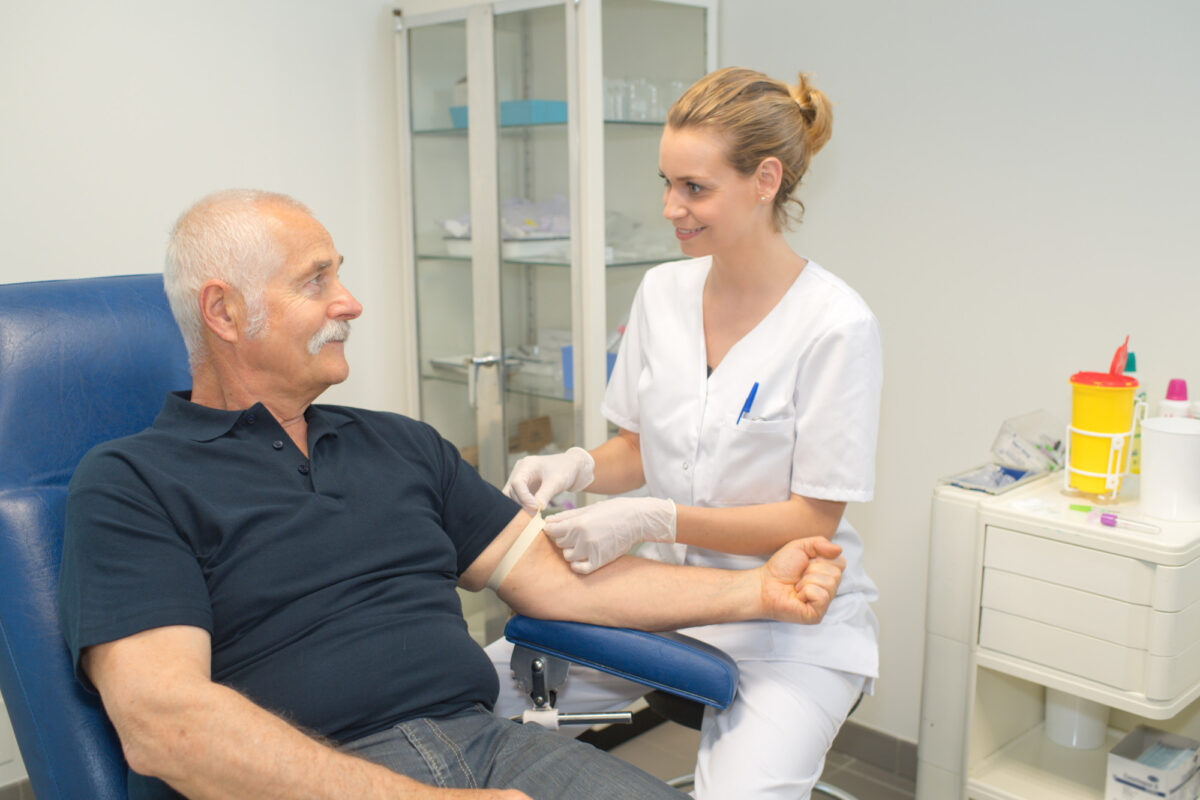
Deciding to learn about phlebotomy can open doors. This area of medicine revolves around drawing blood that is studied and analyzed when treating patients.

When you receive a national phlebotomy certification, you greatly increase the career prospects you can take advantage of. Since there are several medical situations in which blood must be drawn, this is a valuable tool to have on your resume.

You Can Begin to Demand More Salary

If you’re thinking about getting into phlebotomy, you need to understand the compensation benefits as well. This skill immediately bumps you up a notch above entry-level medical assistant jobs and can open you up to a higher pay scale.

When you’re certified in phlebotomy, you become a more attractive and competitive job seeker. And you’ll appreciate what it does for your income. The upper 90% in this career field earn $24 per hour or so.

It’s an Opportunity to Learn More About the Medical Field

More than anything else, getting a phlebotomy certification lets you learn more about the medical career path. Some of the job responsibilities you’ll face include answering patients’ questions, handling simple wounds, running diagnostic tests, and checking vitals and blood pressure.

If you have any aspirations of advancing throughout the medical field, learning how to get phlebotomy certification will be useful.

You Increase the Work Environments You Can Experience

When you’re a skilled phlebotomist, you will get the opportunity to work in several different environments. Some include medical offices, emergency response, non-profit organizations, and the armed forces.

Becoming a phlebotomist is a great idea if you’d like to break out of the norm. You’ll appreciate seeing new sights and experiences each day on the job.

Look Into Learning All About Phlebotomy

Getting a phlebotomy certification can be helpful to your career in several ways. When you’re prepared to take your career to new heights, never lose sight of the fact that phlebotomy is always in demand.

Continue to brush up on your skills by taking a phlebotomy certification test and getting other certifications. Today, you can even get a phlebotomy certification online. This allows you to take the coursework on your terms and on your time.

The National Association of Phlebotomy Technician Professionals has been around for years and continues to advocate for patients and professionals. Take some time to contact us on the web if you have questions.

Categories
Uncategorized

Phlebotomy Career Training Offers IV Certification Accredited by the NTA

Phlebotomy Career Training’s IV training course is now accredited through the NTA, and all registered nurses and EMTs can now earn their CEUs online. The IV training course will now be an even more massive value addition for their professional growth.

If you’re working in the United States as a registered nurse or EMT, gaining your IV certification is crucial to flourishing in the healthcare sector. We at Phlebotomy Career Training do understand how challenging it is for nurses and EMTs to make time from their busy schedules and allocate it for additional training.

We also understand the value of well-credited courses and certifications. Phlebotomy Career Training wants you to make the best deal out of the time and finances you spend. And so, we’re happy to announce that our IV Certification will now be an even more significant milestone for your careers.

Our IV training course is now acknowledged and credited by the NTA. Once you appear and pass your National Exam at the end of the course, all nurses and EMTs will be eligible to gain their CEU’s and make a name for themselves.

Course Structure Of Our IV Training Course

You can enroll in the course and receive all the materials and supplies within 7 to 10 days following your registration. You will have 6 months from then on to complete the sessions and appear for the exams.

You can access the recorded videos using any smart gadget like tablets, smartphones, and iPads.  And to graduate from the course, you will need to pass two exams: one from the course and then the final National Exam. You can then include the certification in your professional credentials and resumes to find better employment opportunities.

The IV training course is an essential online course for nurses and EMTs with a 6 months-worth of full-time experience and knowledge about venipuncture and patient care. It’s divided into 3 components, including basic instructions, laboratory-specific instructions, and practical sessions.

Our medical experts explain and cover every aspect of IV education in the recorded tutorials. The crucial themes covered in the IV training course include intravenous insertion, fluid procedure, following the OSHA safety principles, venipuncture, and establishing saline locks.

The practical exam involves the application of your course learning to handle IV practices on a mannequin arm. That exam is as close to a real-life scenario as possible and prepares you better for performing IV injections for your jobs.

Earn Your CEU’s Today!

Phlebotomy Career Training is a platform that offers several online and onsite training courses. We aim to accommodate the healthcare employees to manage their jobs and continue expanding their careers, side by side. The path you choose and how far you go in medical health is up to you. See some other course options below.

More than Phlebotomy

Other courses to help kick-start your career include several tiers of phlebotomy certification including cardio phlebotomy, certified nurse aid, several tiers of medical assistant certification, , medical billing and coding and so much more. All of which complement and provide a solid foundation as a steppingstone into a long-term career that is always in demand. Phlebotomy and IV certification are the anchor that ties it all together.

Contact us today if you’re interested in our IV certification or other CEU’s like Online Phlebotomy Courses or the Medical Assistant Certification. We await your interest in registering for our courses and expanding your professional growth.

Categories
Uncategorized

Who Benefits From a Certification in Phlebotomy?

phlebotomist

Did you know that the number of registered nurses who work in the US is 4.3 million? In their jobs, they are crucial in improving the health of the nation, closing health disparities, evolving national and local health systems, and delivering care.

If you’re thinking of becoming a nurse or having another job in the medical industry, you might be thinking of getting a certification of the phlebotomist type.

However, if you don’t have much information about this certification, you might feel stressed. Fortunately, in this article, we’ll review who benefits from getting a phlebotomist certification.

Finally, you can decide if you want this certification and start your career today. Read on to learn more.

Phlebotomists

As you can imagine, if someone wants to become a phlebotomist, they’ll benefit from getting a phlebotomist certification. If you’re asking the question, “What is a phlebotomist?” the answer is a technician who draws blood for testing.

Once someone gets a phlebotomist certification, this can help them in attaining a job as a phlebotomist. It’s important to note that you’ll also be required to receive training to get one of these jobs.

Most employers prefer that the phlebotomists they hire are certified phlebotomists. A median phlebotomist salary was $36,320 in 2020.

Nurses

A job in which phlebotomist training is essential is that of being a nurse. This is because nurses can use the skills they learn when getting a phlebotomist certification. This said, however, if you’re planning on becoming a nurse, you need to also have a period of retraining to become a nurse.

Once you have both this training and your phlebotomist certification, you’ll be able to get a higher salary than nurses who don’t. Additionally, because of the experience you already have, it will be easier for you to get a job.


Laboratory Technicians

One of the most common phlebotomist jobs is that of laboratory technician. This is because both phlebotomists and lab technicians share many of the same tasks that are part of medical diagnosis.

However, like in the nursing profession, if you want to be a lab technician, you need additional retraining.

Medical Billers and Coders

Because so much of the healthcare sector is now starting to go digital, there’s a huge demand for medical billers and coders.

With a phlebotomist certification and a short retraining period, you can quickly get a full qualification as a medical biller and coder.

Interest in Becoming Certified as a Phlebotomist?

Now that you’ve learned who benefits from becoming certified as a phlebotomist, you might have decided that you want to get a phlebotomist certification. In this case, you should prepare for getting your certification through the NAPTP.

At the NAPTP, we offer the NAPTP Review Course & Exam, the NAPTP Exam, the NAPTP Renewal Exam, the NAPTP Phlebotomy Instructor Certification, and more. To learn more about our courses and exams, contact us today.

Categories
Uncategorized

How to Become a Phlebotomist


It’s a new year, and that means it’s time to think about making moves for your career. For those who are looking to spend more time with patients and go further in the medical field, it might be time to consider phlebotomy.

After all, the phlebotomist career field is projected to have a 22% growth rate from 2020 to 2030, much faster than average for all occupations.

If you’re considering a career shift, here’s a quick and easy guide on how to become a phlebotomist.

Understanding Phlebotomy

Phlebotomy is when someone uses a needle to draw blood from a vein, usually for medical purposes like lab tests or transfusions, though they may also draw blood for blood donations.

Typically, a blood draw is performed from a vein, such as veins in your arm. However, a phlebotomist may also collect blood from capillaries when a small amount of blood is needed, such as capillaries in your ear lobe, finger, or heel.

There are several medical professionals who can perform blood draws. Phlebotomists are unique in that they specialize in drawing blood and have extensive training to do it with finesse.

Phlebotomy Explained: Duties of a Phlebotomist

A phlebotomist is considered an allied medical professional—i.e. medical professionals other than doctors, nurses, optometrists, dentists, or pharmacists. Specifically, they’re medical professionals other than doctors, nurses, optometrists, dentists, or pharmacists who have contact with patients in clinical settings, usually as a technician.

This is important to understand because phlebotomists don’t treat patients even though they work quite closely with them. Instead, a phlebotomist is responsible for ensuring that all aspects of a blood draw happen smoothly, from preparing a patient to explaining the process to labeling blood samples (and, of course, performing the blood draw itself).

How to Become a Phlebotomist

If you’re interested in becoming part of the medical profession without the major investment of medical or nursing school, we have good news: it’s relatively easy to become a phlebotomist.

In order to become a phlebotomist, you need to enroll in an accredited phlebotomy program. This is typically a type of postsecondary program. After that, you’ll have the credentials and experience to enroll in a phlebotomy certification, which will ensure you have the knowledge and hands-on experience to become employed as a professional phlebotomist. Ideally, you should prepare for your certification exam with a prep course and phlebotomy guide to help you study.

Keep in mind that there are levels of phlebotomy certification that qualify you to do certain things. The most basic is the limited phlebotomy technician certification, which authorizes you to perform skin puncture blood draws.

Thinking of Becoming a Phlebotomist?

Once you know how to become a phlebotomist, the process is pretty straightforward. If you’re ready to move beyond simple phlebotomy tips and pursue a rewarding career, we’re here to make it possible.

The National Association of Phlebotomy Technician Professionals is the nation’s leading organization for certifying phlebotomy professionals. Our exam is the gold standard for certification, and we’ve led the charge on establishing nationwide standard guidelines and a national code of ethics for the phlebotomy profession.

Ready to invest in your future? Check out our exam and study options today.

Categories
Uncategorized

Who can become a phlebotomy technician?

A phlebotomy technician earns an average salary of $37,380 per year, and about 21,500 new phlebotomy jobs are expected to open each year through 2030.


If you are interested in becoming a phlebotomy technician, then you will have to complete an educational training program before passing the NAPTP exam.

Some states require technicians to earn licensure, so it is important to check the qualifications and standards where you live.


That being said, all phlebotomy technicians must complete appropriate training and earn certification to legally work with patients. In this guide, we will explore who can become a phlebotomy technician by exploring the requirements for the NAPTP.

What is the NAPTP?

The NAPTP stands for the National Association of Phlebotomy Technician Professionals. It is the most recognized and accepted certification credential for anyone that wants to become a phlebotomy technician.


The exam consists of 200 questions to evaluate a candidate’s clinical competency and phlebotomy knowledge. Topics include blood draw methods, sampling procedures, lab specimen handling, HIPPA/OSHA laws, lab test assessment, and anatomy.


This NAPTP study guide can help you get an overview of what to expect in our online phlebotomy technician course. Anyone who strives to become a phlebotomy technician.


What is the difference between a phlebotomy technician and phlebotomist?

Phlebotomy technicians and phlebotomists are the same professional; they perform lab work by drawing blood samples, collecting specimens, and working closely with patients to explain how procedures work and what to expect.


A cardio phlebotomist can assist doctors with EKGs, examine heart performance, interpret heart rhythms, and manage patient records.

Requirements to Become a Phlebotomist

In order to become a phlebotomist, you will need to complete an accredited training program. The NAPTP is the industry’s best phlebotomy certification, recognized by the American Medical Certification Association (AMCA), National Center for Competency Testing (NCCT), National Healthcareer Association (NHA, and the Institute for Credentialing Excellence (ICE).


In order to take the exam, a student must:


  • Complete 65 blood draws within the last 2 years OR
  • Complete 30 blood draws and be a recent graduate of an accredited phlebotomy training program


In order to enroll in a phlebotomy training program, you will need to be at least 18-years-old and hold a high school diploma or GED.


After you complete an accredited phlebotomy program, you can pursue certification and look for jobs in your area.


Although national certification is not required in most U.S. states, it can be a wonderful way to advance your career and stand out as a job candidate.

Are there different types of phlebotomists?

There are three levels of phlebotomy technicians:

  1. Limited Phlebotomy Technician (LPT) — These professionals are qualified to perform skin puncture blood collections.
  2. Certified Phlebotomy Technician I (CPT I) — These professionals can perform skin puncture and venipuncture blood collections.
  3. Certified Phlebotomy Technician II (CPT II) — These professionals are qualified to perform skin puncture, venipuncture, and arterial puncture blood collections.

How to Get Phlebotomy Experience

Your program will prepare you for certification by including on-the-job training and an externship. If you complete your phlebotomy training at a vocational school or community college, you will receive hands-on lab experience to develop your skills.

Earn National Certification as a Phlebotomy Technician Through the NAPTP

Our online phlebotomy certification program takes six weeks and is entirely self-paced. You can participate in modules, read study guides, watch videos, and learn everything you need to pass the NAPTP from your computer or mobile phone.


Learn more.

Categories
Uncategorized

3 Ways Becoming a Phlebotomy Technician Can Boost Your Career

Phlebotomy technician

A career in the healthcare field is both rewarding and respected. These jobs allow you to take care of patients when they need you the most and can help you make a difference in and around your local community.

As you think about your future career path, do you want to expand and elevate your position?

Becoming a certified phlebotomy technician is a great way to earn more credentials and open new doors. Today, we’re sharing three ways it can give you the career boost you seek.

1. Become More Competitive

Whether you’ve worked in healthcare years or you’re just starting out, companies are always looking for a health professional who can offer more than just the basic skill set. As you begin to look for a job, you’ll be up against many others who have similar credentials and experience.

When you can add “certified phlebotomy technician” to your resume, then you’ll pique the interest of future employers. This certification requires you to learn and perfect every aspect of drawing blood. This includes issuing injections, administering IV medications, and more. Once you earn this designation, it will instantly make you more competitive in the field.

Once you pass your exam, you’re required to complete 25 Continuing Education (CE) credits every two years to maintain your certification. This further proves your work ethic and dedication, which can go a long way in a future interview.

2. Increase Your Earning Potential

Pursuing industry-relevant skills and certifications is a great way to set yourself up for a higher salary down the road. For instance, consider the uptick that can occur for EMTs or paramedics who achieve their phlebotomy technician certification.

According to the latest data from the U.S. Bureau of Labor Statistics (BLS), the average EMT in the U.S. earns an average salary of around $36,650. Given that the average employee works roughly 2,080 hours per year (40 hours x 52 weeks), this equals an hourly pay rate of around $17.62.

While numbers will vary by employer, research shows that your earning potential could increase with a phlebotomy certification. In fact, this report reveals that EMTs with phlebotomy skills can earn up to $20.49 per hour. That’s an annual salary of around $42,620, which is an increase of nearly $6,000 per year!

While it might not happen overnight, this additional certification can help prove your case if you request a raise down the road. It can also come in handy during your quarterly or annual review and is an excellent representation of your professionalism and expertise.

3. Open More Doors

There are many jobs that require employees to hold current phlebotomy certificates. In addition to EMT, you may also need one to work as a medical lab technician, medical research assistant, ER tech, and more.

In addition, this certification can serve as a valuable stepping stone if you want to pursue more advanced positions down the road. For instance, if you want to work in a hospital, laboratory, doctor’s office, or outpatient care center, then you’ll need to complete advanced medical training first. A phlebotomy certificate can make you a more attractive candidate as you apply for academic and professional programs.

Become a Certified Phlebotomy Technician

When you become a certified phlebotomy technician, you’re taking your current and future career into your own hands. These skills can make you a more competitive candidate as you apply for more advanced medical positions. They can also help you earn more money and pursue more opportunities.

The National Association of Phlebotomy Technician Professionals (NAPTP) is the leading organization for phlebotomists and phlebotomy technicians in the nation. Register for an NAPTP exam today, and let’s take this next step together.

Categories
Uncategorized

Best Practices for Blood Collection and Handling: A Guide for Phlebotomy Technicians

Although it may only be seen by many as segue to diagnosis, phlebotomy is an invasive medical procedure that can cause patients to feel a lot of anxiety and stress. As a phlebotomy technician, you are responsible for ensuring that their blood draws are as pleasant as possible, and this is only achievable by following best practices for blood collection.


From a safety perspective, proper handling is vital to minimize the risk of biohazard exposure. It is also vital from a diagnostic perspective, as mishandled and improperly stored samples can lead to inaccurate results.


Our six-week, self-paced online phlebotomy course can help you learn everything you need to pass the NAPTP exam. Before that, however, you can read this guide to learn more about how a phlebotomy technician should perform their job.

Best Practices for Phlebotomy Technicians

There are three key steps to performing a phlebotomy procedure properly:


  1. Planning
  2. Maintaining an appropriate environment
  3. Practicing quality control at all times


Procedure planning involves identifying what you need to do, how you will do it, and what equipment you will need. What is the patient’s name, age, and reason for visiting? How much blood do you need to draw from them, and where is the best vein site to draw from?


When you are methodical in your approach to care, you can avoid causing the patient any undue harm or stress and ensure their doctor receives the lab results they need to make accurate diagnoses.


Phlebotomy technicians must always maintain a safe work environment, whether they are in a hospital, diagnostics lab, or other outpatient facility. The area you work in should always be sterile, well-lit, and clean.


Part of this process relates closely to blood handling; without properly managing your worksite, there is an increased risk of blood exposure, which can lead to bacteria and parasite exposure, as well as the risk of contracting a bloodborne disease like HIV/AIDS.


Finally, practicing quality control ensures that you always wear appropriate equipment (such as PPE and gloves), never use contaminated phlebotomy equipment, and always follow the appropriate lab sample collection and storage protocol.


Another best practice may not be medical in nature, but it is equally important to successfully perform your job as a phlebotomist—tending to patients. You should be warm and welcoming to each individual and also be patient and gentle with those who exhibit signs of anxiety, high stress, or even fear of having their blood drawn.


When patients are more relaxed, blood draws are much easier, less painful, and more effective.

You can improve outcomes by always walking patients through procedures, letting them know what you are going to do, and ensuring they are as relaxed as possible before drawing blood.

Become a Phlebotomist Online

Our six-week course is designed to be flexible and accessible for phlebotomy students. We offer study guides, PDFs, video instruction and an easy-to-follow module-based format to help you become a certified phlebotomy/cardio-phlebotomy technician.


Learn more.

Categories
Uncategorized

How Hard Is It to Get a Phlebotomy Certificate? A Guide

Phlebotomy is one of the easiest areas of the medical field to enter and requires the least amount of training. Only four states, California, Louisiana, Nevada, and Washington, require phlebotomy technicians to obtain certification.

The majority of employers nationwide prefer professionals with a phlebotomy certificate. Certification opens the door to more job opportunities, more variety in job responsibilities, and higher pay. The national average phlebotomy technician pay is $33,713 per year or $16.21 per hour.

If you are wondering how hard it is to get into a phlebotomy program and obtain certification, keep reading. We will share everything you need to know about this lucrative, in-demand career.

What is Phlebotomy?

Phlebotomy is the process of obtaining blood from a vein. This requires puncturing a vein with a needle. The purpose is to remove blood for diagnostic tests or to remove the blood for medical treatment.

Phlebotomy Technician vs. Phlebotomist   

Phlebotomy technicians and phlebotomists earn the same certificate regardless of their job title. The job duties are to draw blood, take care of patients in the lab, ship samples, and take care of lab equipment.

The only difference between the two positions is what the employer chooses to use as a job title. The salary each earns depends on their job duties, experience, and the size of the office or lab where they work.

Phlebotomy Programs

The steps to becoming a phlebotomist are simple:

  • Complete High School or obtain GED
  • Complete an accredited phlebotomy program
  • Obtain your certification

You want to enroll in an accredited training program to obtain your certification. If you use a program that offers online training, you can usually complete your certificate within six months of registration.

Your phlebotomy program cost is around $600. Training takes about 170 hours of course time and covers about 35 different areas of instruction, including:

  • Compassionate patient care
  • Documentation and record keeping
  • Hazardous materials management
  • Health and safety for patients
  • Locating veins and troubleshooting hard-to-find veins
  • Proper phlebotomy technique
  • Use and maintenance of equipment
  • Standards and codes you must follow

You must pass a certification exam for each course to receive your certificate. You will also need to participate in an internship, including 30 vein punctures. Each blood draw must be supervised, and a sign-off on the blood draw must be on a log.

Once you obtain a certificate saying you qualify as a phlebotomy technician, you will want to get a certification that receives recognition nationwide.

Obtaining a NAPTP Phlebotomy Certificate

Once you receive your phlebotomy technician certificate, you will want to go for the gold standard of phlebotomy technicians—NAPTP certification.

To achieve certification, you need to score 75% or higher on a 200-question exam covering a wide range of topics relative to phlebotomy. This includes competency in HIPAA and OSHA regulations.

To take the exam, you must complete at least 65 live blood draws within two years or 30 live draws if you graduate from a phlebotomy program within the past six months. Your phlebotomy certificate cost depends on the exam and study materials that best fit your needs:

  • NAPTP Exam—$169
  • NAPTP Exam and PDF Study Guide—$225
  • NAPTP Renewal Exam—$99
  • Phlebotomy National Exam and Review Course—$420
  • Immunization Certification Course and Exam—$359
  • Phlebotomy Instructor Certification—$639

Upon passing the phlebotomy certification exam, you will receive a certificate with an affixed seal and a hand-sewn patch to wear on your lab coat. The certification will be on the NAPTP website for verification by your employers.

Where to Get a Phlebotomy Certificate

When seeking certification, you want to use the nation’s leading organization for phlebotomy technicians and phlebotomists.

To obtain a phlebotomy certificate, call the National Association of Phlebotomy Technician Professionals (NAPTP) at 877-437-6470. You may also reach us by using our online contact form.

Don’t hesitate; get started on your new career today!

Categories
Uncategorized

Medical Assistants and IV Technician Certification Allows Them to Pivot into Other Careers

Health Spas have steadily appreciated in terms of popularity over the last few years. While the industry did receive a setback in the form of the recent pandemic, with life, as usual, resuming around the country, there’s no doubt that it’s on its way to recovery as well.

If you’re wondering what this has to do with medical assistants, you might just be surprised by what we have to tell you. Vitamin Drip Therapy is an IV treatment that sports all sorts of benefits, from anti-aging and skin health improvement to curing those post-weekend hangovers. While the positive and negative effects of the treatment itself have been debated heavily in medical circles and on celebrity talk shows, the jury’s still out on whether they’re concretely beneficial.

Medical Assistants and Lab Technicians are the prime candidates for administering drip therapy in health spas. If you’ve got a specialization as an IV Technician, then that qualifies you even further. So if you’re a medical assistant who’s looking to branch out or broaden your professional horizons, this might be just the opportunity you’ve been looking for.

Of course, the opportunity we’re talking about comes in the form of an online IV Technician Certification program offered by Phlebotomy Career Training. The course goes into great detail regarding intravenous insertion and flushing and helps prepare you for any hazards while also discussing at length the practical and safety-related precautions you should take. The course is wholly online, so you can schedule in time as you can spare it. You have access to the course for six months, which gives you ample time to get done with the material.

The course also includes online practical sessions that are carried out under the supervision of an instructor. This gives candidates the to polish and perfect their technique on an intravenous mannequin arm, provided as part of the course.

And that’s not all. If a career in health and beauty applications doesn’t quite float your boat, you could still use the added knowledge to take on a more advanced career in assisting practitioners. Of special note are physician’s offices where drip therapy is provided.

Even for those who aren’t looking to branch out or change career paths, the IV Tech program is accredited through the National Telemetry Association (NTA) by CAPCE and allows them to earn continuing education credits that help update their credentials while they keep practicing. Since the course comes with an online option, professionals can adjust and learn flexibly as they get time.

If you’d like to know more about the IV Technician course and what it offers, get in touch with us here.

PCT Opens the Doors to Opportunity

A certified medical assistant has so much to offer and the interest in this field is growing at a rapid rate. So why not expand and capitalize on your certifications as a medical assistant? The more you know, the more you can help others and continue to make a difference in the world of health care.

Receive world-class certifications taught by experienced educators at Phlebotomy Career Training. Our programs are supported by numerous National Certifying Bodies throughout the United States. With a 99% course completion rate, our students are the most sought after in the health care and medical industries. Our accredited programs include several tiers of phlebotomy certification, , patient care, dialysis technician, electrocardiogram technician, medical billing and coding and so much more.!

As life happens and your priorities change, so may your career path. Seek out what interests you, because you can never have enough knowledge and experience backed by accredited courses that will take you down several different avenues in the medical health industry.

Categories
Uncategorized

How Can Medical Students and Phlebotomy Technicians Benefit from Learning How to Administer Vaccines


Phlebotomy Technician
Vaccination cert now available through the NAPTP

With the increase in coronavirus conspiracy theories, much of the public has refused vaccine administration. Healthcare professionals, such as nurses, students, and phlebotomy technicians, play a vital role in changing the public’s perspective and ensuring their safety and health.

There are many benefits of learning how to administer vaccines, but first, let’s take a look at the process of vaccine administration:


What You Will Need


Intramuscular vaccinations have been a part of our lives since we were born. However, not many of us know the ins and outs of administering a vaccine. Here’s a list of things needed to administer vaccines:


  • A Sharps Container
  • Disinfectant
  • Disposable Gloves
  • Cotton Swabs
  • Syringe and needle [16-38mm width, 22-25 gauge]
  • Vaccine
  • Bandages


Post-Vaccination Procedure


Before administering a vaccine, a healthcare professional or phlebotomy technician should check the patient for any infections or fever. In addition to this, they should also review the patient’s records to seek information on allergies.

If the patient has a bleeding or bruising disorder, this will also help determine the appropriate gauge of the needle required. Doctors and nurses also check the patient’s immunodeficiency or surgery requirements to ensure their vaccination process is safe.

It’s also beneficial for patients as well as medical students of professionals to brief the patient on any benefits, efficiency, or side effects of the vaccination. Briefing the patient will help put their mind at ease and make the process smoother.


Steps of Vaccine Administration


Administering a vaccine can be a short process; however, medical students must still follow the SOPs. Here’s how the procedure goes:


  • Disinfecting the hands
  • Check the vaccine’s shelf life, dosage, and route of administration
  • It’s advisable to administer vaccines in patients’ non-dominant arms
  • Palpate the most muscular part of the deltoid muscle and disinfect the area
  • Put gloves on and remove any air bubbles before administering the injection
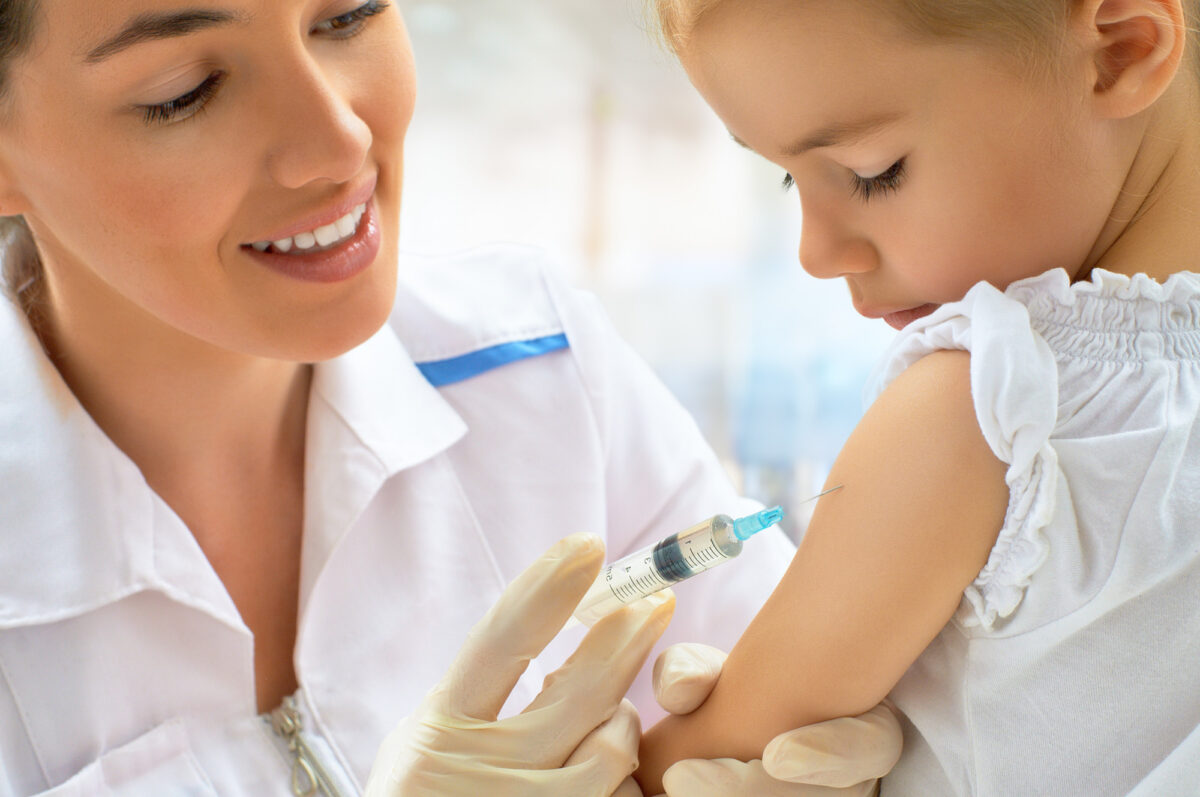
  • Hold the muscle and inject the vaccination at a 90-degree angle and dispose of the injection in the sharps container


How is Learning This Skill Beneficial for Students and Technicians?


Learning this skill has now become a necessity rather than an option. Here are the benefits of learning vaccine administration for students and phlebotomy technicians:


  • It will enable you to stand out amongst other applicants
  • You will help the public by administering necessary vaccines
  • You will learn how to properly prepare, store, handle, or transport vaccinations
  • Technicians, nurses, and students can volunteer in vaccination centers to provide support to the healthcare team
  • Receive hands-on training sessions and gain insight into vaccinations


Have More Questions?


NAPTP has been helping students, nurses, and phlebotomy technicians across the country for several years. Contact us now for further information.