Categories
Medical Assistants Phlebotomy Certification

Phlebotomy Technicians: 4 Tips That Will Help You on Your First Day

Phlebotomy isn’t an easy job by any means. It may seem simple in theory to complete blood draws and handle samples, but as with all things in a clinical environment, there’s more to it than meets the eye. However, that’s no reason to get dismayed or alarmed, though, because we’ve got just the information you need to get yourself started on the route to becoming a great Phlebotomy Technician. Let’s jump right in and take a look at the three tips to help you excel starting with your very first day.

1. Keep talking to your patient.
Blood draws elicit all manner of emotions from patients. Some of your more stoic patients won’t even notice that you’ve gotten started (or that you’re done), while others might even faint at the sight of a syringe.

For the sake of your most faint-hearted patients, as well as your own, you should always do your best to keep lines of communication as open as possible. Not only is this a welcome distraction for people who’re worried sick by the idea of being pricked, but it also allows you to directly address and alleviate their concerns, making for a smoother procedure overall. Remember to listen attentively and respond reassuringly – it really does go a long way!

2. Take your time with the equipment (before the patient enters the room)
This is another way you can make it easier for your patient to be confident about the procedure they’re about to undergo. Make sure you know what you’ll need and where it is. The last thing your patient would want is for you to start scrambling to find gauze or medical tape when they’re bleeding profusely. Take a look at your supply of medical equipment to make sure you have everything you could need and that you know exactly how to use it.

3. Always remember to stay organized
It also helps if you organize your cabinets so that you can work more efficiently. A Phlebotomy Technician’s job can involve working with hundreds of blood samples in a day, and misplacing or mishandling any one of them means having to redo a blood draw, which is not something you or your patient would want.

4. Lastly, don’t forget to ask for help if you need it
The hospital or clinic you’re working in is undoubtedly home to any number of long-standing medical professionals. Not only do you stand to benefit by consulting them on their opinions, but it can also be a great, stress-free way to learn the tricks of the trade quickly.

If you’d like to know more about what to expect as a phlebotomist in the work environment, please contact us here.

Nationally Accredited Programs for Medical Health Careers

Get the training you need to start your career in medical health with great success. Phlebotomy Career Training adheres to strict guidelines when it comes to the safety and sanitation of both the patient and the health care worker. Aside from phlebotomy certification as a great stepping stone to other careers in medical health, there are many options and several tiers of phlebotomy certification available.

Other rewarding and invaluable careers choices available are medical assistants, pharmacy technicians, patient care services, dialysis technician, EKG technician, medical billing and coding and so much more. All of which are offered both online and in class with experienced educators and a customized learning experience.

There is a growing need for health care workers in all areas of medical health and having the proper training backed with nationally recognized and accredited certifications from the naptp and other institutions, seals the deal for a long term and rewarding career that will always be in demand.

The work of a phlebotomist is invaluable. This basic skill is nurtures all aspects of medical health and supports the services provided by medical assistants, doctors, nurses and all medical professionals. Call PCT today to learn more about our medical health classes and visit the naptp for more information about certification.
Categories
Phlebotomy Certification

Telemetry Certification: Frequently Asked Questions

phlebotomy-and-telemetry-certification

If you intend to pursue telemetry certification, or you have an interest in the field that you might pursue someday, there may be certain aspects of the process that you want more information about. That’s why today we’ll take a look at some of the questions surrounding telemetry certification that are common amongst candidates; hopefully it’ll shed new light on the matter.

What is telemetry?
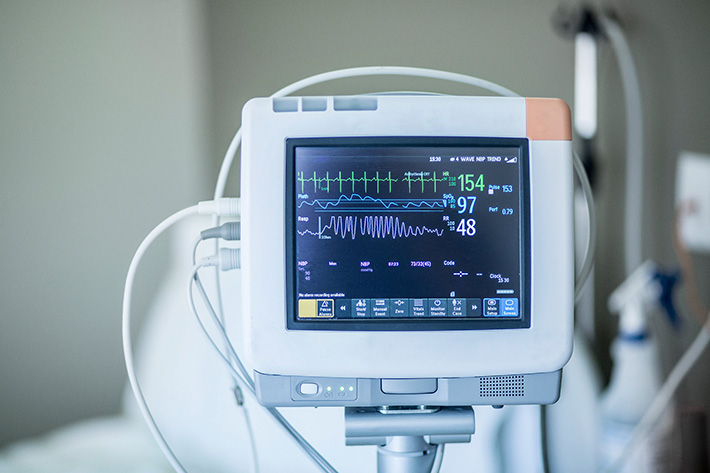
Telemetry, in broad terms, is the science of electronically monitoring a patient’s vital signs. This is most commonly done via a telemetric monitor which displays a patient’s heart rate and rhythm.

How long does it take to complete a telemetry certification course?
The lengths of training programs and courses can vary significantly depending on the organizations offering them, as well as what the program prepares you for. If you go with one of the convenient online courses available, and physical training courses that supplement your online learning, you can be fully certified within 1 – 5 months, depending on your prior medical experience. As an example, the certification course offered by the National Telemetry Association is self-paced, must be completed within 6 months, and is intended for applicants with no prior knowledge.

Are certification courses/tests difficult?
While there are many elements of a telemetry technician’s job that aren’t as cut and dry as just reading and noting down numbers, the difficulty of your course depends entirely on the testing body that will administer your final exam and eventually grant your certification. As a general rule, most accreditation tests will allow multiple attempts within a certain period, so you shouldn’t be too worried about difficulty. As an example, the NTA online course final exam requires candidates to score at least 85 percent in order to receive their certification.

What profession does a telemetry certification prepare me for, and what does the job entail?
A certification qualifies you to work as a telemetry or monitor technician. It is a telemetry technician’s job to monitor the electrical signals that represent a patient’s heart activity, and identify rhythms as well as the signs of cardiovascular issues. As a technician, you also become well acquainted with the essential equipment (the monitor and electrodes), and you are expected to be able to troubleshoot issues with both to a reasonable degree. While most of your expertise will come with hands on experience, The basic process you’re engaged in involves the following:

  • Identifying where to attach electrodes in order to effectively monitor a patient’s heart activity.
  • Attaching the electrodes.
  • Interpreting readings on the monitor.
  • Identify potential health risks, such as cardiac arrhythmia.

A telemetry technician’s duties may involve monitoring critically ill patients who are in or have recently been discharged from the ICU. For patients such as these, and others, a technician’s ability to identify issues through what they see on their monitor may be critical to saving their lives.

We hope that answers some of the questions you may have had regarding telemetry certification. If you have a specific question that wasn’t covered in this article, please feel free to reach out to us here.

Get Your Certification

Gain expertise, knowledge and invaluable skillsets with courses in medical health such as telemetry at Phlebotomy Career Training. Certifications through the PCT provide ample verification that students meet and exceeded national standards. This is because our classes are small, our educators are experienced, and our commitment to patient safety is a top priority. Your career in medical health is supported by national organizations such as the NAPTP which offers a world of opportunity and secure careers to our graduating students.

Our courses include phlebotomy, cardio-phlebotomy, dialysis technician, medical assistant, patient care technician, medical billing and coding, pharmacy technician and so much more, including several tiers and various certifications within. If you are considering a medical health career, Phlebotomy Career Training is the place. Questions or want to learn more? Call and speak to a program specialist today!

Categories
Phlebotomy Certification

Finding Work in the USA is Easy with NAPTP Medical Certifications

The truth is, some students excel at subjects such as chemistry, biology, and mathematics therefore they find themselves eligible to study medicine, while some students find it a privilege and the ultimate career goal. On the same note, the four most attractive aspects of medicine are:

Why do people study medicine?

feeling of stability or indispensability:

Healthcare professionals are valued because they adapt to the rapid change of healthcare needs and they are able to resolve both medical and non-medical challenges they face on a daily basis at work.

Ability to help people:

Helping can be done by listening to patient’s needs while putting into consideration their preferences and values, as well as letting them participate in all the decisions related to their health and giving constant support for patients and their loved ones.

Being respected in general:

People respect the effort and hard work; healthcare professionals put their own lives on hold in order to save millions of other lives while spending a lot of time and money on education and research to stay up to date on equipment, medications, and treatments.

Constant mental stimulation:

The human brain is the most important organ, which is why keeping it stimulated and challenged optimizes the brain’s function. Working, Thinking, and constant research lower the risk of dementia and help keep the mind stimulated.

Learning how to practice medicine can differ from one person to the other; the reason is that humans are programmed to react and think differently. That is also the reason why medical graduates pursue different career paths depending on what aspects intrigue them or stimulate their passion. To choose a career path, medical graduates can apply for an internship, take tests, or do their research in order to explore their options and find their calling.

NAPTP’s mission is to certify phlebotomists and phlebotomy technicians by helping them gain the expertise needed to excel in their careers. The NAPTP accredited certificates are available for students worldwide and at the comfort of their own homes; once the exam is completed and passed with an 80% or higher the candidate certification will be available on the website for future employers to verify.

Benefits of accredited certifications in healthcare:

Certifications are vital for healthcare personnel and medical graduates for many reasons, some of these reasons are:

    • Increases the chances of employability and career opportunities.
    • Preparation for more job responsibilities and hence increased payment.
    • Validation of professional credibility.
    • Recognition among peers.
    • Refinement of skills and knowledge expanding.

With an accredited certificate from NAPTP students worldwide will be granted the chance to work in the USA or any country that accept US certifications. However, if you are a student and you have a medical background then you can use it to fulfill the requirements for the clinical portion of the course and challenge the exam directly.

Do You Need Help?

NAPTP’s certification is recognized by ICE, NCCT, AMCA, and NHA. We have been helping aspiring students and healthcare professionals achieve their goals for decades. Register for our exams now and get a national certificate that allows you to explore new jobs and better academic opportunities.

More Opportunities at Phlebotomy Career Training

If you are ready to jump-start your career in medical health Phlebotomy Career Training is here to make it happen. Our phlebotomy certification classes are not only accredited but also highly sought after due to the level of instruction, small class sizes, course availability and job access. Our job board is filled with opportunities. And with a national certification from the NAPTP you can get a job anywhere.

Offering more than phlebotomy, our medical health career programs include Cardio-Phlebotomy Technician, Pharmacy Technician, Electrocardiogram Technician, Dialysis Technician, 4 tiers of Medical Assistant options, Patient Care Technician, Medical Coding and Billing and more! Call and speak to a program specialist about an array of options for a career in medical health. Enjoy your career with job security and continuing education at Phlebotomy Career Training!

Categories
Phlebotomy Certification

Everything You Need to Know About Becoming a Phlebotomy Technician in NJ

Are you thinking of becoming a phlebotomy technician in NJ? A phlebotomist is a healthcare professional who draws and prepares blood for medical testing, donations, or transfusions. They receive training to collect blood via venipuncture, finger pricks, or pricks to the heel (for infants). You can typically find them in clinics, hospitals, outpatient care facilities, blood donation centers, and diagnostic laboratories.

When it comes to becoming a phlebotomy technician, one of the most common questions we get is if you need to be nationally certified. This article details the requirements of becoming a phlebotomy technician in New Jersey, how much you can expect to earn, and whether a national phlebotomy certification is important.

What Are the Phlebotomy Requirements For New Jersey?

You don’t need to be certified to work as a phlebotomy technician in NJ. However, there are numerous benefits of receiving a certificate. We will discuss this in a later section. In the meanwhile, let’s review some of the mandatory requirements you need to meet to work as a phlebotomist in the state:

  • Age: You need to be at least 18 years old to qualify for a phlebotomy training course.
  • Education: The state of New Jersey requires prospective phlebotomists to hold a high school diploma or a GED to qualify for a training course. If you are not 18 yet but have these qualifications, you can enroll in a course. However, you will have to wait until you meet the age requirements before you can start finding work in the field.
  • Training: There are various phlebotomy schools that offer diplomas and degrees in this field. You can also avail of an externship in a clinic, research laboratory, or hospital to gain some hands-on experience. Most diploma programs last 4 to 6 weeks.

What Is the Pay rate for Phlebotomy technicians in NJ?

One estimate suggests that the average salary of a phlebotomy technician in New Jersey is approximately $37,000 a year. You can usually earn $17.38 per hour at this job. It’s important to note that your pay rate will also depend on your experience and your place of employment.

Why Is National Certification Important for Phlebotomists?

As mentioned at the onset, it is not necessary for a phlebotomist to obtain national certification in New Jersey. However, getting a phlebotomy certification online can do wonders for your career as a phlebotomy technician in NJ. It can enhance your employability and make it easier for you to get a job. This is because it demonstrates your dedication to your profession.

Moreover, a certified phlebotomy technician has a more enhanced skill set and can perform their duties and responsibilities in a better way. Your employer will have the confidence that you possess the qualifications and experience required to do your job effectively and responsibly. You can qualify for higher wages and improve your chances of working at a senior position.

Become Nationally Certified as a Phlebotomy Technician with NAPTP

The NAPTP (National Association of Phlebotomy Technician Professionals) is the longest-standing authority enabling phlebotomy technicians to become nationally certified in New Jersey and beyond. You can get your phlebotomy certification online and join our network of healthcare partners. What’s more, NAPTP also helps you carve out a lucrative career in phlebotomy and quickly move up the ladder to get higher-paying jobs to achieve professional growth. Our phlebotomists work in prestigious healthcare institutions all across the United States.  Our certification is recognized by ICE, NCCT, AMCA, and NHA, allowing you to work at some of the leading healthcare organizations in the United States.


Get in touch with NAPTP today and find out how you can learn phlebotomy and get certified as a phlebotomy technician in NJ.